Arid Southwest Swamped: The Unexpected Crisis Unfolding Now

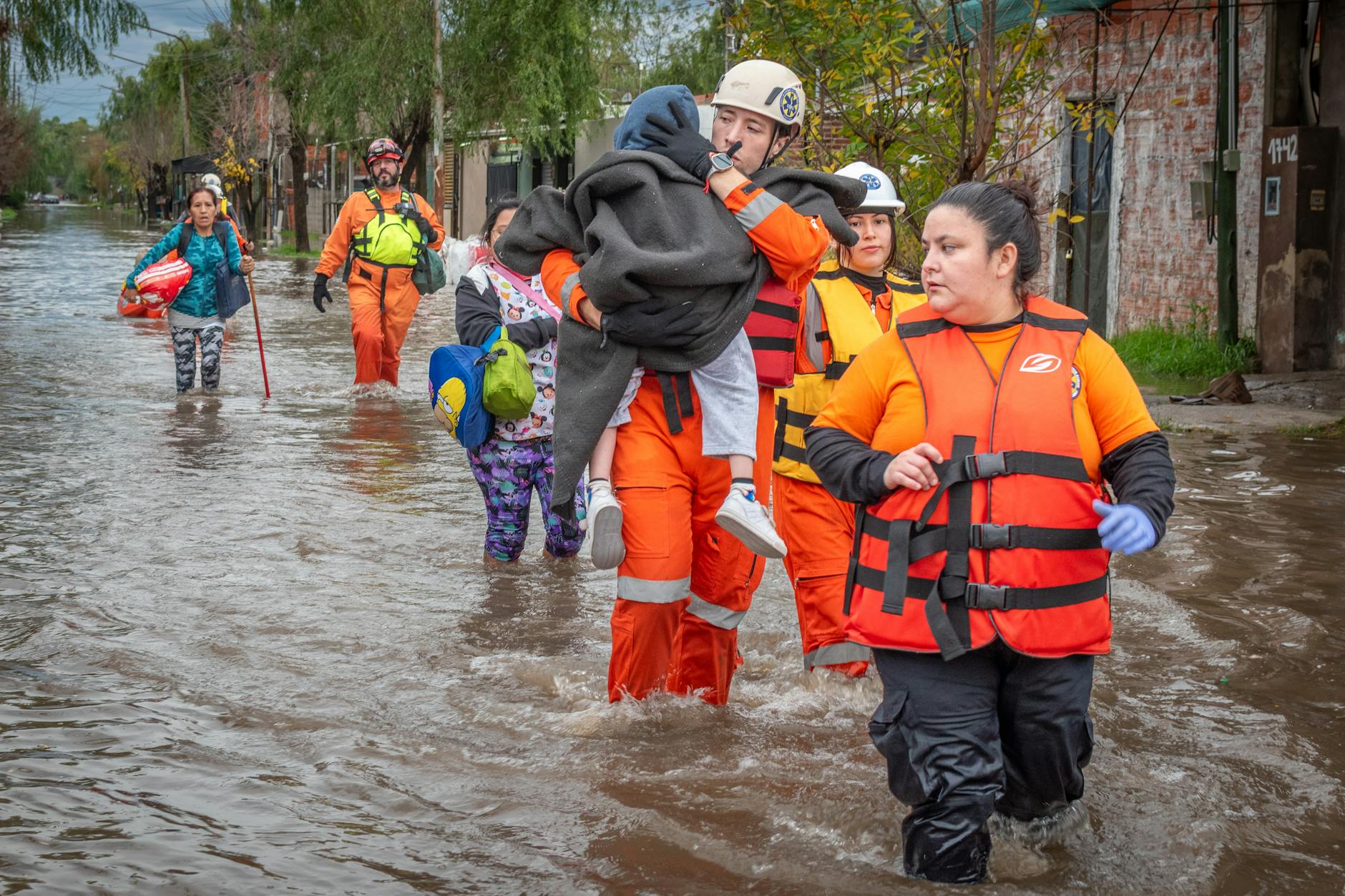
The typically arid Southwest is currently grappling with a deluge of historic proportions, as unusually heavy rainfall has triggered widespread flooding across the Four Corners region and Nevada. This massive influx of water, linked to an El Niño phenomenon intensified by a warming Pacific, has led to hundreds of evacuations, sadly claiming at least one life with another suspected. Towns like Pagosa Springs, Colorado, faced near-record river crests, disrupting daily life and even altering Election Day plans. The extreme weather highlights the urgent need to address global warming, as climate change intensifies such events, challenging communities in unexpected ways.
From New Mexico to Arizona, Colorado, and Utah, the Four Corners region has been inundated with an estimated 20 trillion gallons of water over the past two weeks, a staggering amount for a desert landscape. This unprecedented rainfall has forced hundreds from their homes, tragically resulting in at least one confirmed death and another suspected. Emergency teams have been working tirelessly, conducting swift-water rescues as rivers swell to dangerous levels, turning once-dry creek beds into raging torrents.
Communities across the region are struggling to cope. In Pagosa Springs, Colorado, the San Juan River nearly matched its historic 1911 flood levels, swamping downtown streets and forcing residents to make alternative plans for Election Day. Durango saw its Animas River closed to recreation due to contamination, while parts of the Navajo Nation and the village of Chama, New Mexico, faced extensive evacuations and road closures, leaving some areas cut off. Arizona experienced record rainfall, with Flagstaff enduring its wettest November 1st ever and Sedona seeing a main highway washed out by floodwaters and boulders.
These extreme events underscore a critical message: the impacts of a warming planet are becoming increasingly visible and disruptive, even in unexpected places like the arid Southwest. While El Niño plays a role, the warming Pacific intensifies such weather patterns, making once-rare floods more frequent and severe. Adapting to these new realities requires urgent, collective action to reduce emissions and embrace sustainable solutions, ensuring our communities are better prepared for the climate challenges ahead.