Arizona Mine Approved: Unanswered Questions for Rare Habitat

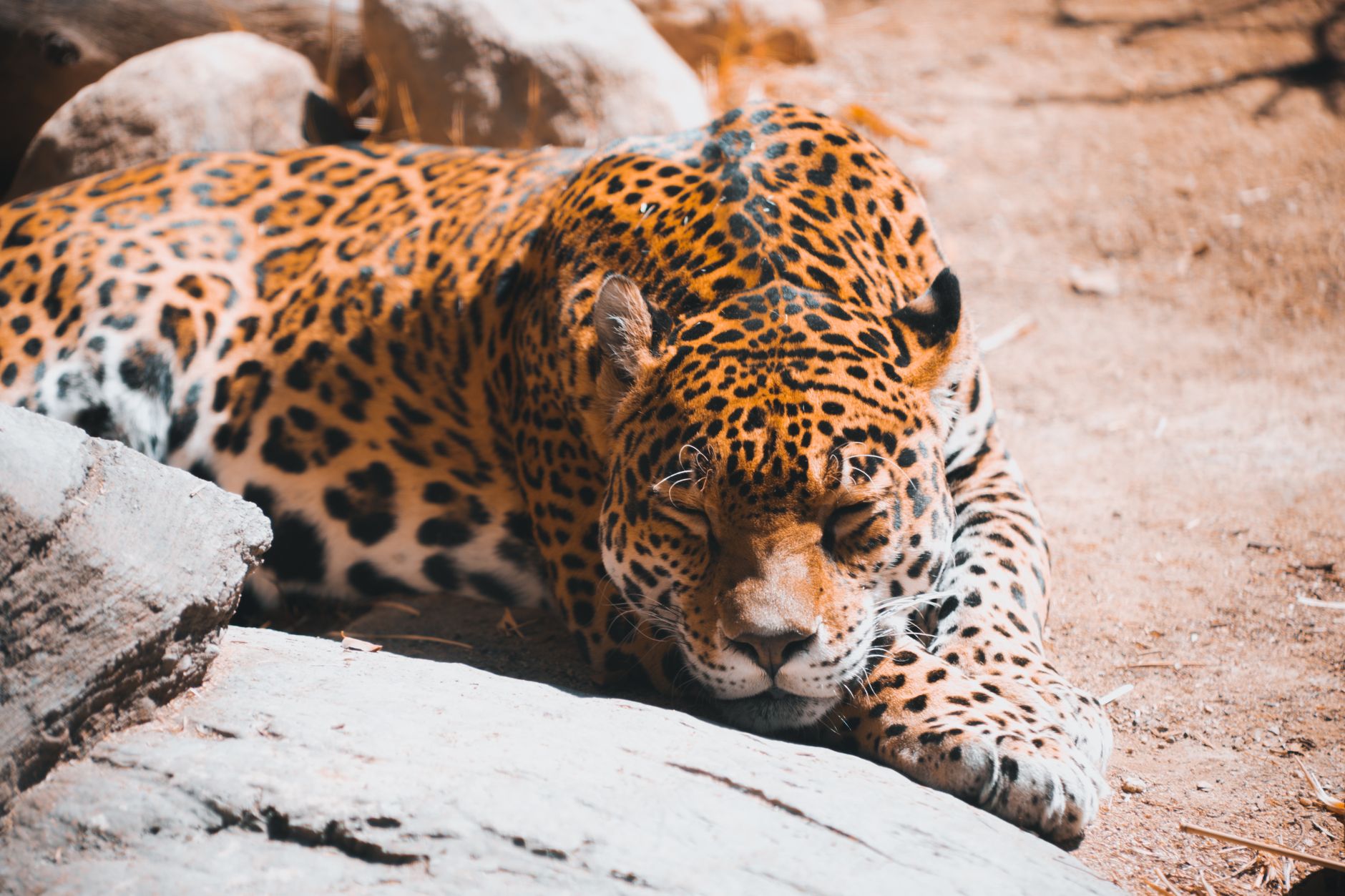
The U.S. Forest Service has given final approval for a significant mine in southern Arizona, a decision swiftly condemned by environmental groups. This project aims to extract critical minerals vital for domestic supply chains but is situated in a unique biodiversity hotspot known as the "sky islands," home to endangered jaguars and Mexican spotted owls. Critics argue the approval overlooks serious environmental concerns, particularly regarding water resources and crucial wildlife habitats. This move highlights the ongoing tension between boosting mineral production for an electrified future and protecting fragile ecosystems.
The approval greenlights South32’s Hermosa project in Patagonia, Arizona, despite objections from local environmental organizations like the Patagonia Area Resource Alliance and the Center for Biological Diversity. These groups argue that the federal agency failed to adequately address fundamental legal and environmental issues, including the impact of mining infrastructure on endangered species habitats and long-term water concerns.
The project is located in a region famed for its diverse wildlife, including species like jaguars and ocelots, which are increasingly moving north into Arizona due to climate change. The mine's design, including a large tailings facility for waste, is set directly on critical jaguar habitat, raising significant alarms among conservationists.
Water is another major point of contention. The mine requires dewatering a local aquifer, with an estimated 195,000 acre-feet of water to be removed over its 70-year lifespan. This process is projected to lower the water table by 250 feet across nearly 50 square miles, impacting local wells. Concerns about contaminated water discharge have already arisen, with the company previously exceeding permitted antimony levels, though improvements have since been made at its treatment plant.
Proponents of the Hermosa project emphasize its role in securing a domestic supply of critical minerals like zinc, lead, silver, manganese, and copper. These minerals are essential for various industries and, particularly, for the batteries needed in electric vehicles and renewable energy storage, supporting a shift away from fossil fuels. Political leaders, including U.S. Senator Mark Kelly (D-Ariz.), highlight the importance of responsibly producing these minerals at home to reduce reliance on foreign sources.
While the mine promises around 900 direct jobs and thousands more through indirect economic activity, environmental groups contend that the economic benefits do not outweigh the potential irreversible harm to a vital ecosystem. They are exploring all options, including potential legal action, to challenge the decision, underscoring the urgent need for sustainable practices that prioritize both economic progress and environmental protection.