Arizona's Desert Jewel Faces an Uncertain Future

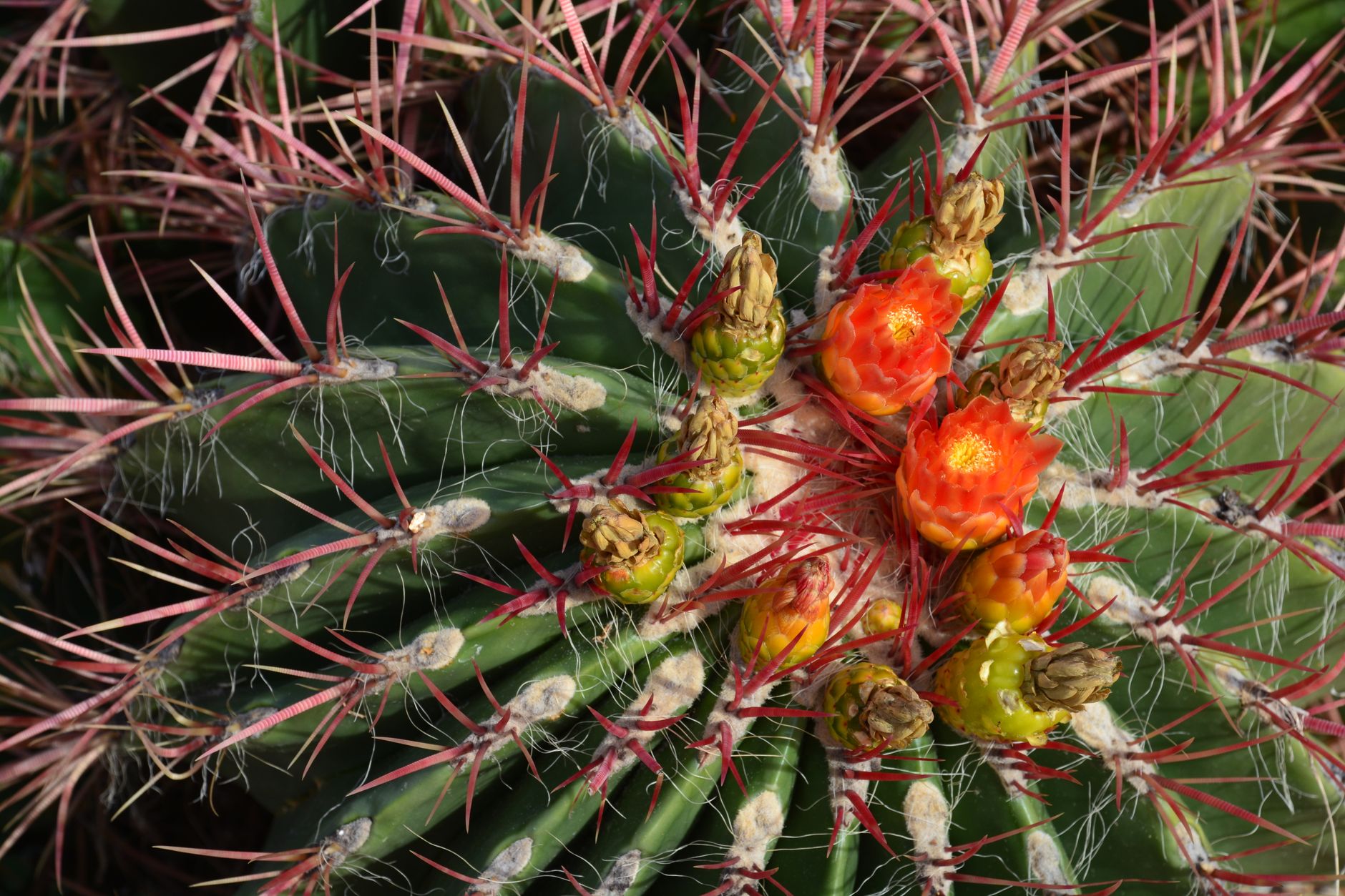
Latino Conservation Week has begun, spotlighting the critical need to protect cherished natural spaces like Arizona's Ironwood Forest National Monument. This annual event aims to connect the Latino community with the outdoors and inspire advocacy for our shared natural resources. Kicking off at Ironwood Forest, the week draws attention to this precious Sonoran Desert habitat, currently facing threats from proposed mining expansions. Safeguarding such areas is vital for scientific study, biodiversity, and ensuring future generations can experience their beauty. This highlights why collective environmental action is more urgent than ever.
Cassandra Becerra, Arizona State Director for Mountain Mamas, grew up exploring Arizona's public lands, fishing and playing in the desert. These experiences shaped her into an environmentalist, leading her to advocate for natural resource protection. She joined others at Ironwood Forest National Monument to launch the 12th annual Latino Conservation Week, a nationwide effort by the Hispanic Access Foundation to encourage Latino communities to connect with nature and protect our country's valuable resources. As Becerra noted, caring for these places, sharing knowledge across generations, and keeping culture alive through outdoor time is deeply embedded in their heritage.
The choice of Ironwood Forest National Monument for the kickoff was deliberate. This 129,000-acre Sonoran Desert expanse, designated in 2000, is a crucial site for scientific research and a barrier against mining expansion. Outside its borders, ASARCO's Silver Bell mine has long aimed to expand copper production into the protected area, a goal previously thwarted by the site’s protections according to reporting by AZPM. The monument is also one of six national monuments that a previous administration hinted at reducing in size to make way for more development and extraction.
These concerns are amplified by recent actions, such as the significant reduction of Utah's Bears Ears and Grand Staircase-Escalante National Monuments in July, a decision that sparked widespread criticism and lawsuits. Rebecca Perez, Arizona conservation manager for the Wilderness Society, stressed that public lands belong to everyone, not just special interests. She warned that once these natural spaces are industrialized, they are not easily restored, emphasizing that any threat to one national monument endangers them all.
Latino Conservation Week includes hikes, cleanups, and educational sessions nationwide, designed to help people engage with their public lands. Organizers believe that the first step to protecting these spaces is to experience them firsthand. Christine Flanagan, president of the Friends of Ironwood Forest, shared a childhood memory of her grandmother telling her that public lands belong to everyone. This powerful message underscores the collective responsibility we share to protect these invaluable natural treasures for today and for future generations.