Arizona's Water Future Hangs in Balance Amid Federal Cuts

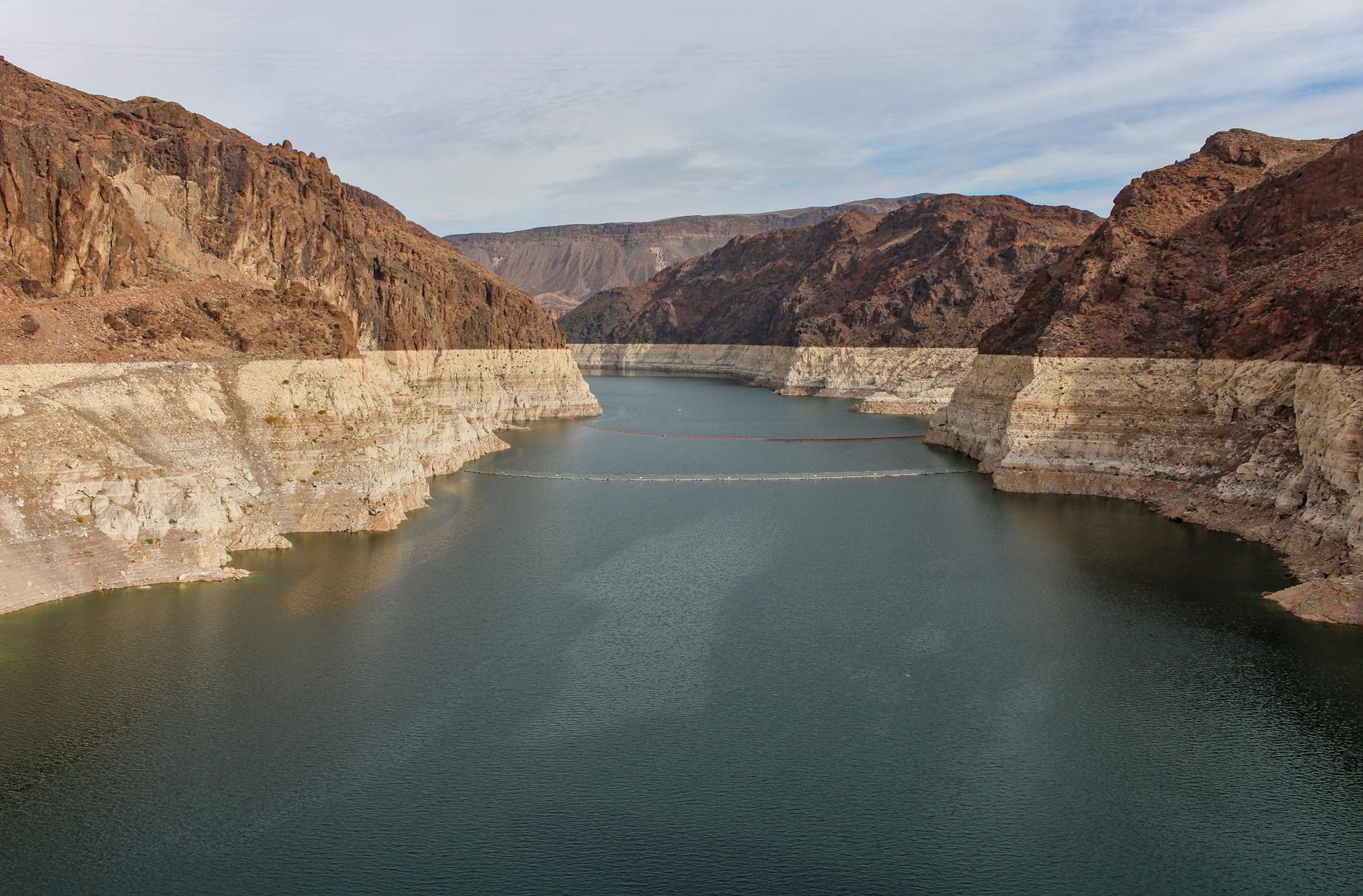
Arizona is taking legal action against a federal plan designed to manage the worsening shortages of the Colorado River. The state has joined a lawsuit initially filed by Nevada, arguing that the proposed water cutbacks would severely impact its economy and major cities. This growing legal challenge highlights the critical need for sustainable solutions as the vital Colorado River, a lifeline for the American West, continues to shrink to historic low levels, threatening communities and ecosystems alike.
The Arizona Department of Water Resources announced its decision to intervene in Nevada's lawsuit, citing fears that mandatory water cuts under the federal proposal would be devastating. Nevada had previously sued, expressing similar concerns that its own water allotment could shrink to a point that would critically affect areas like Las Vegas.
This expanding legal battle could eventually reach the U.S. Supreme Court, further complicating the already difficult efforts among seven western states to agree on how to share the dwindling water from the Colorado River. The river's reservoirs have been at record low levels, driven by long-term drought conditions exacerbated by a changing climate.
Arizona relies heavily on the Colorado River, which supplies about 36% of its water. Much of this water is delivered through the Central Arizona Project (CAP) canal to cities like Phoenix and Tucson. However, under the administration's plan, Arizona faces particularly steep cutbacks because the CAP has lower-priority water rights compared to older aqueducts, making it one of the first in line for reductions. The urgency of this situation underscores the critical need for collaborative, sustainable strategies to protect this essential natural resource for current and future generations.