Asia-Pacific's Carbon Market: What's Behind its Surprising New Turn?

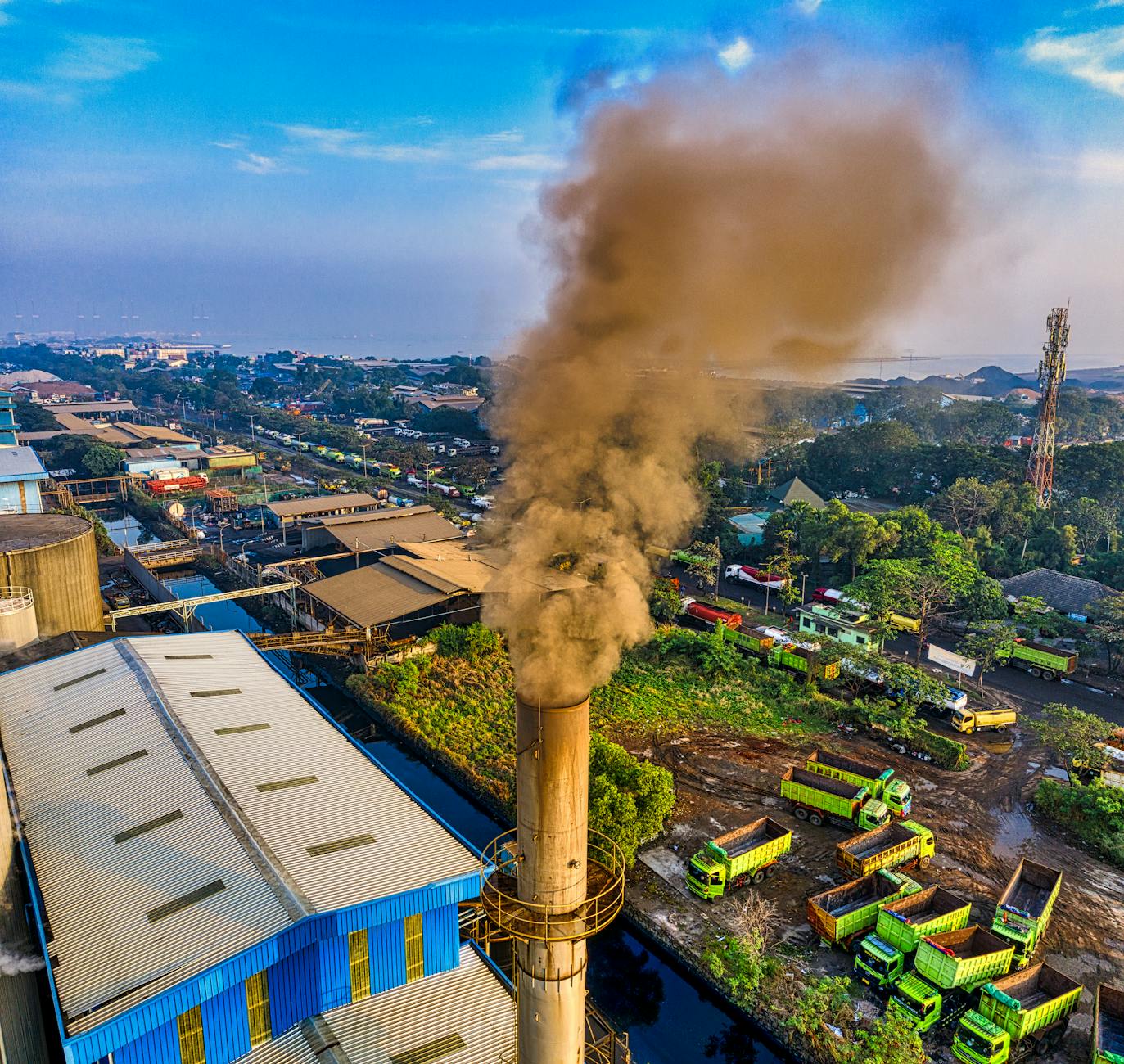
The Asia-Pacific region is experiencing a significant shift in the global carbon market. While its share of carbon credit issuance and retirements has decreased since 2021, the region is rapidly becoming a leading source of new buyers. This transformation, highlighted in AlliedOffsets' *APAC Carbon Market Report 2026*, signals a complex but crucial turning point for global climate action. Understanding these dynamics is key as governments and companies navigate commitments to reduce emissions and invest in a sustainable future.
The Asia-Pacific region is now a major player in the global carbon market, but in an unexpected way. Although its share of generating and retiring carbon credits has fallen over the past few years, companies in the region are increasingly stepping up as buyers.
From 2021 to 2025, the region’s contribution to new carbon credits (issuance) dropped from about half to just 30% globally. Its share of retired credits — those permanently removed after being used to offset emissions — also decreased. This shows that the market in Asia-Pacific hasn’t grown as quickly as in other parts of the world. However, there’s a silver lining: pre-purchase agreements, known as offtake agreements, are on the rise, potentially offering a stable income for projects reducing carbon.
A significant finding is that Asia-Pacific-based companies became the largest source of new carbon credit buyers in 2025, surpassing European companies. This trend continued into 2026, with a record number of new buyers emerging. This surge in demand is vital for driving global climate action, as it encourages the development of more projects that genuinely reduce emissions or remove carbon from the atmosphere, pushing us closer to a sustainable future.
Carbon credit prices in the region are not uniform; they vary greatly depending on the type of project. For example, credits from sustainable solutions like biochar (created by heating organic waste) and enhanced rock weathering (which speeds up natural carbon removal) were found to be slightly less expensive compared to similar projects elsewhere. In contrast, credits from energy efficiency or waste disposal projects in the region sometimes commanded higher prices. This highlights the importance of looking beyond simple averages and focusing on the quality and specific impact of each project in the fight against climate change.
International partnerships, especially under Article 6 of the Paris Agreement, are also poised to reshape the region’s carbon market. This framework allows countries to collaborate on emission reduction goals. AlliedOffsets estimates that Asia-Pacific countries could potentially supply nearly 39 million internationally transferred mitigation outcomes (ITMOs) by 2030, with countries like Papua New Guinea, Cambodia, and the Philippines leading the way. Such cooperation is crucial for accelerating global efforts to combat warming and protect our planet.
Indonesia offers a clear example of market fluctuations. After a period of limited activity, the country saw a significant rebound in carbon credit issuance in late 2026, largely due to a single major project. Yet, the rate at which these credits are being purchased and retired has not kept pace. For carbon markets to be truly effective in tackling climate change, it's essential to match this renewed supply with eager buyers who are committed to using these credits for meaningful environmental impact.
The aviation industry is another key driver of demand through the Carbon Offsetting and Reduction Scheme for International Aviation (CORSIA). This scheme requires airlines to manage some of their emissions, often through approved carbon credits. Asia-Pacific airlines, particularly Singapore Airlines and Japan Airlines, cancelled over a million credits for CORSIA’s first compliance period. Furthermore, the supply of CORSIA-aligned credits from projects in the region is growing, showing how global industries are contributing to the urgent need for emissions reduction.
Ultimately, the Asia-Pacific carbon market is in a dynamic phase. While a dip in credit supply has been observed, the rise in new buyers, increasing offtake deals, international cooperation, and aviation demand all signal opportunities for greater climate action. The region's future role in achieving global climate goals hinges on its ability to ensure that this growing demand is met with a consistent supply of high-quality, credible carbon reduction projects, driving collective progress toward a sustainable future.