Assam Floods Claim 100 Lives; The Deeper Climate Impact?

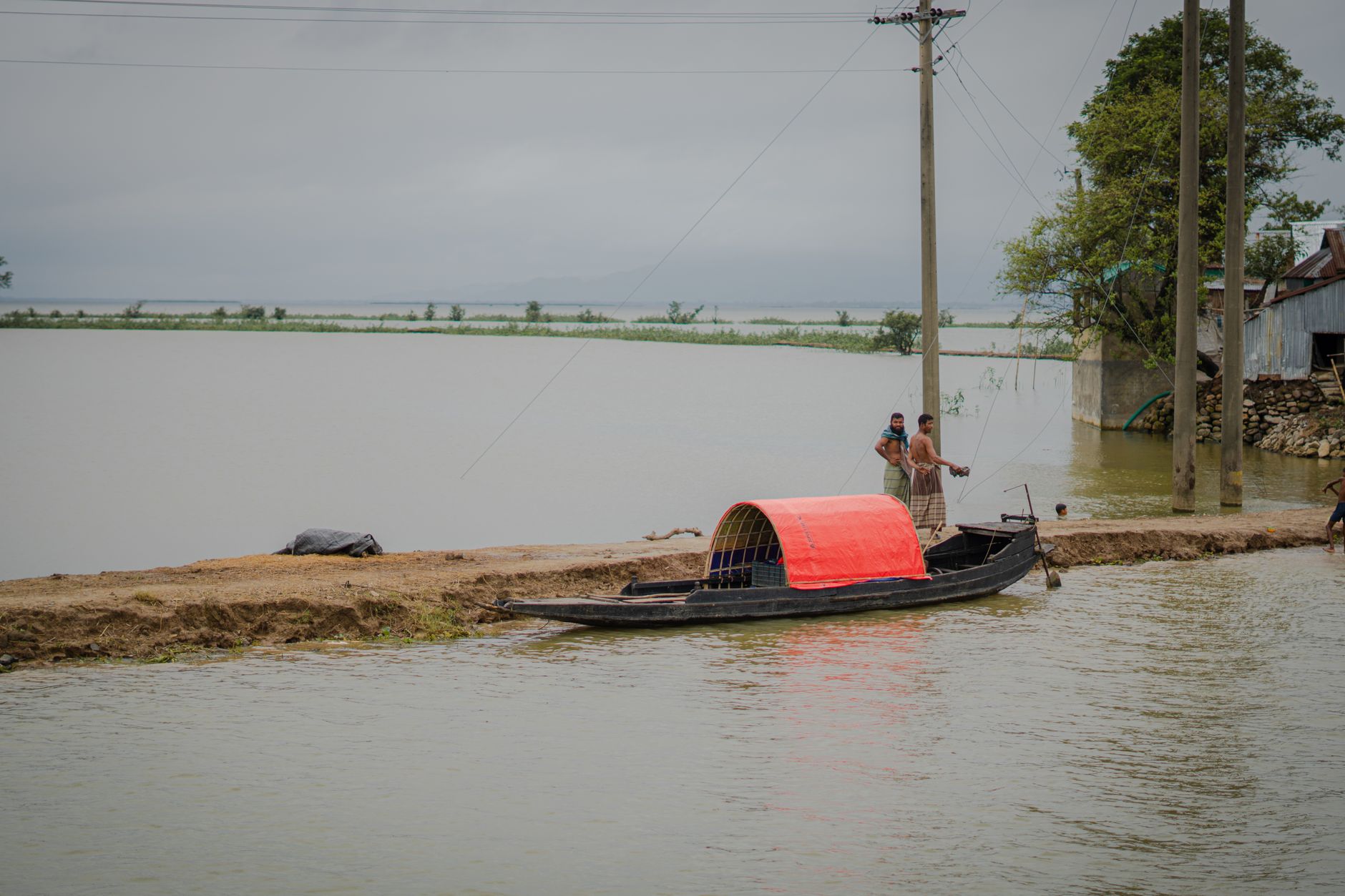
India's northeastern Assam state is grappling with a severe flood crisis, where the death toll has tragically reached 100. Relentless monsoon rains have caused major rivers, including the Brahmaputra, to overflow, sweeping away homes and displacing hundreds of thousands of people. While many are slowly returning, they face immense challenges rebuilding their lives amidst widespread devastation. Experts point to human-caused climate change as a key factor intensifying these destructive monsoons, highlighting the urgent need for global climate action to prevent further humanitarian disasters. This crisis underscores the devastating real-world consequences of a warming planet.
The floods, which began last month, have profoundly impacted communities across Assam. Over 700,000 people were initially displaced, with nearly 300,000 forced into government relief camps as surging waters submerged vast farmlands, damaged roads, and destroyed countless homes. Even as some residents return, they often find their properties buried under thick layers of silt, making recovery a daunting task. Many dairy farmers, for instance, have lost all their cattle, forcing them to rebuild their livelihoods from scratch.
Authorities are actively involved in relief efforts, assessing the extensive damage, and providing assistance to those affected. Aid, including roofing sheets and financial compensation, is beginning to reach the struggling populations, aiming to support rehabilitation efforts. However, the scale of the destruction is immense, requiring sustained support.
These annual monsoon floods are a familiar challenge for Assam, but their intensity is escalating. Scientists warn that human-caused climate change is making South Asia's monsoon season far more extreme and unpredictable. What were once steady, life-giving rains now often arrive in powerful, erratic bursts, dumping huge amounts of water in short periods. This shift makes communities far more vulnerable, turning natural weather patterns into devastating humanitarian crises. The situation in Assam serves as a stark reminder of the urgent need for global commitment to environmental protection and sustainable solutions to tackle climate change head-on.