Atlantic Hurricane Season: Unprecedented Calm. But Why? [Data]

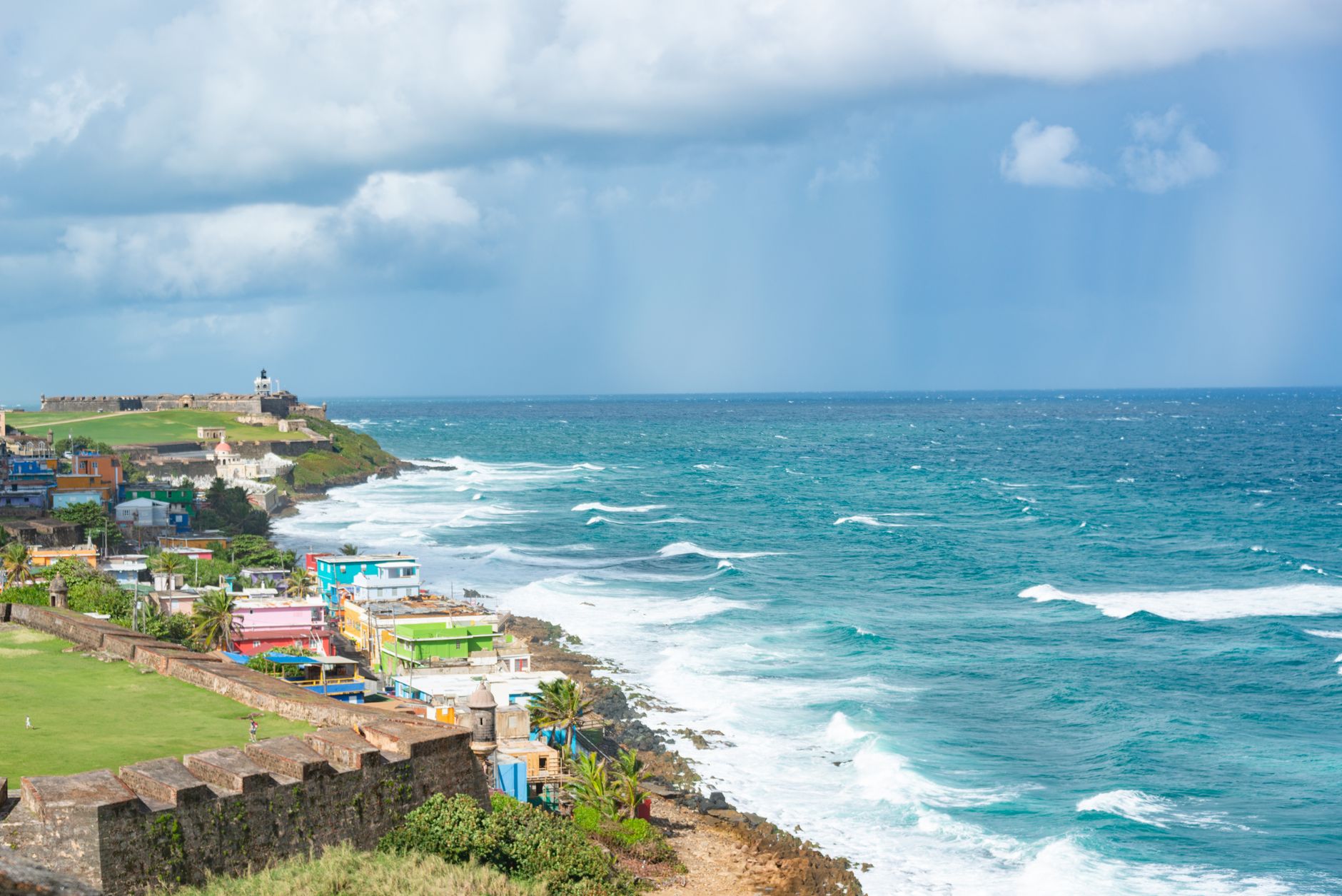
The Atlantic Ocean is experiencing an unusually quiet hurricane season, setting new records for the latest formation of a hurricane in the satellite era. This unprecedented calm is largely due to a powerful El Niño event, which is actively suppressing storm development despite record-warm ocean waters. While the Atlantic remains subdued, the same El Niño is fueling a parade of intense hurricanes in the Pacific, creating a striking contrast. Experts warn against complacency, however, emphasizing that even a single late-season storm can be catastrophic. This situation highlights nature's complex dynamics and the need for constant vigilance.
This year’s Atlantic hurricane season is remarkably quiet, setting a new record for the longest period without a hurricane in the satellite era. Only a handful of weak tropical storms have formed, with overall activity at just 7% of normal for this time of year, according to experts like Nick Novella from the Weather Prediction Center and Colorado State University’s Phil Klotzbach.
The powerful El Niño weather pattern is to blame. It creates a "triple whammy" of conditions that tear storms apart: intense wind shear, dry air, and downward-pushing winds, explains Kristen Corbosiero, an atmospheric science professor at the University at Albany. These forces are so strong they "decapitate" storms before they can strengthen, even though the world's oceans have been experiencing record-hot temperatures for over 100 days. This highlights El Niño's immense power to reshape regional weather, sometimes masking broader climate warming effects.
While the Atlantic is quiet, the Pacific Ocean is seeing a "party" of hurricanes, as El Niño typically ramps up storm activity there. The eastern and central Pacific have seen significantly more named storms than usual, impacting regions from Hawaii to Southern California. Hurricane Marie off the Southern California coast, for instance, brought rain, high tides and heavy surf to the region. Forecasters anticipated a slower Atlantic season, but the current record-low activity has surprised even them.
However, meteorologists, including Brian McNoldy from the University of Miami, caution against letting our guard down. It only takes one powerful storm to cause devastation, as seen with Hurricane Andrew in 1992. The Gulf of Mexico, in particular, could still see significant activity later in the season. Understanding these complex climate patterns is more crucial than ever as our planet continues to warm, making long-term climate action and sustainable solutions increasingly vital.
Looking ahead, as this El Niño eventually weakens, the persistent warm Atlantic waters — a stark reminder of ongoing global warming — are expected to fuel a potentially very busy hurricane season next year, according to MIT meteorology professor Kerry Emanuel. This underscores the fluctuating yet undeniable influence of both natural cycles and human-induced climate change on our weather.