Atlantic Quiets: What Region Faces Relentless Storm Season Now?

After a brief lull, the Atlantic is showing signs of new tropical disturbances, though they currently pose little threat to land. Meanwhile, the Pacific remains exceptionally active, with Hawaii recently battered by Tropical Storm Moke and Hurricane Lala, causing significant flooding and damage. This stark contrast in storm activity, with a remarkably quiet Atlantic and a busy Pacific, is largely influenced by one of the strongest El Niño events in decades, underscoring the dynamic and sometimes intense impacts of our changing climate on weather patterns worldwide.
The Atlantic basin, after a nearly two-week pause, is now seeing two tropical disturbances. Invest 95L, located southeast of Bermuda, and a tropical wave emerging from Africa both have a 50% chance of developing over the next seven days, according to the National Hurricane Center. Fortunately, 95L is expected to move northward into cooler waters, likely staying away from land. The African wave, still thousands of miles from the Caribbean and the U.S., will be closely monitored as it moves westward, though models currently suggest it will also steer clear of populated areas.
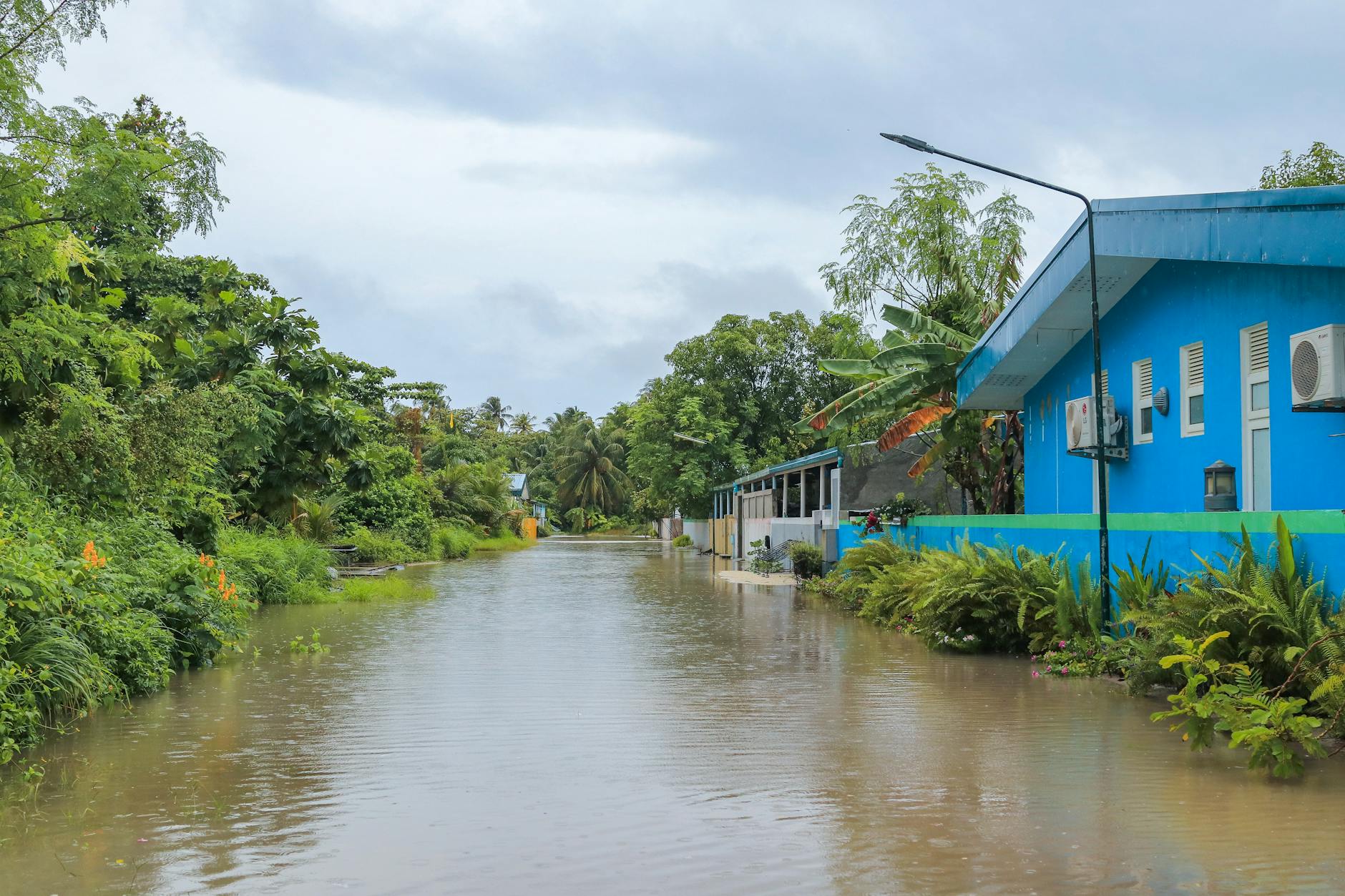
In stark contrast, the Pacific continues to churn with activity. Hawaii has been particularly affected, recently experiencing heavy rains from Tropical Storm Moke, which followed on the heels of Hurricane Lala. Lala caused widespread flash flooding, landslides, and sadly, one fatality, with some areas recording over 43 inches of rain, making it one of the wettest tropical cyclones on record for the U.S., as highlighted by Michael Lowry. This marks an unusual period of back-to-back storms for Hawaii, a rare occurrence not seen since 2016, as noted by Jon Erdman of weather.com.
This year’s storm season vividly illustrates the impact of climate phenomena like El Niño. One of the most powerful El Niño events in recent history is pushing sea surface temperatures to record highs in the eastern tropical Pacific, leading to the predicted increase in Pacific storm activity and a quieter Atlantic. Global statistics maintained by Colorado State University show a significant surge in accumulated cyclone energy in the Northwest and Central/Northeast Pacific, while the North Atlantic has seen an 86% decrease compared to average, making it the least active start since 1988, according to The Weather Company. This regional asymmetry underscores the importance of global climate action and preparedness, as shifting weather patterns bring both unexpected calm and intense, concentrated threats to communities worldwide.