Australia ends major 'carbon neutral' program. What's next?

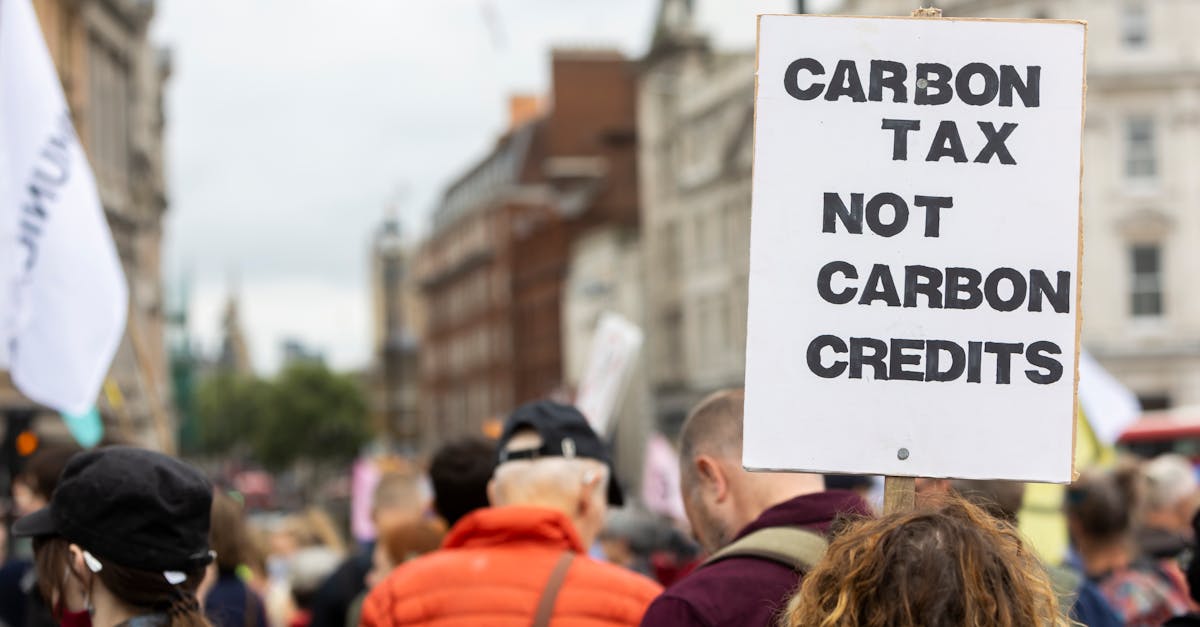
Australia is shutting down Climate Active, a federal program that certified businesses, products, and events as "carbon neutral." This move follows years of criticism regarding the program's credibility and its reliance on carbon offsets. The decision marks a significant shift, emphasizing a global demand for more rigorous climate action focused on direct emissions reductions and greater transparency. It underscores the urgent need for genuine progress in the global fight against climate change.
Australia is making a significant change to its approach to corporate climate claims by ending Climate Active, a program that allowed businesses, products, and events to be certified as "carbon neutral." This decision comes after years of criticism regarding the program's effectiveness and its heavy reliance on carbon offsets, which some argued allowed companies to appear green without making substantial cuts to their actual emissions. This highlights a growing global demand for genuine climate action and transparency, stressing that environmental protection requires real change, not just labels.
The federal government believes new policies, like the `Climate Change Act` and the `Safeguard Mechanism` (Clean Energy Regulator), now provide a stronger framework for businesses to reduce their emissions directly. The `Safeguard Mechanism` specifically targets Australia's largest industrial polluters, setting strict limits that decrease each year. Companies must either cut their emissions or purchase high-quality `Australian Carbon Credit Units (ACCUs)` to meet these targets. This creates a much more regulated and robust demand for credible offsets, a stark contrast to the voluntary system Climate Active represented. This move reinforces the urgent need to address global warming through measurable and verified actions.
This shift isn't just happening in Australia. Around the world, regulators and initiatives like the `Science Based Targets initiative (SBTi)` and the `Integrity Council for the Voluntary Carbon Market (ICVCM)` are pushing for stricter standards. They emphasize that businesses should prioritize cutting emissions at the source, using offsets only for unavoidable emissions, and ensuring these offsets are of the highest quality. This means that simply buying offsets to claim "carbon neutrality" is no longer enough. The market is evolving, rewarding high-integrity carbon credits with price premiums, and pushing companies towards more meaningful environmental protection.
While Climate Active helped many businesses begin their journey into understanding their emissions, the expectations for corporate climate action have evolved. The end of this program doesn't mean carbon offsets are obsolete; rather, it marks a necessary evolution towards a more transparent, accountable, and impactful carbon market. This move ultimately strengthens Australia's commitment to reducing greenhouse gas emissions by 43% below 2005 levels by 2030 and reaching net zero by 2050, by prioritizing real emission cuts and trustworthy climate claims.