Australia's $1.3B Renewable Hub: A Clean Energy Shift Unfolds

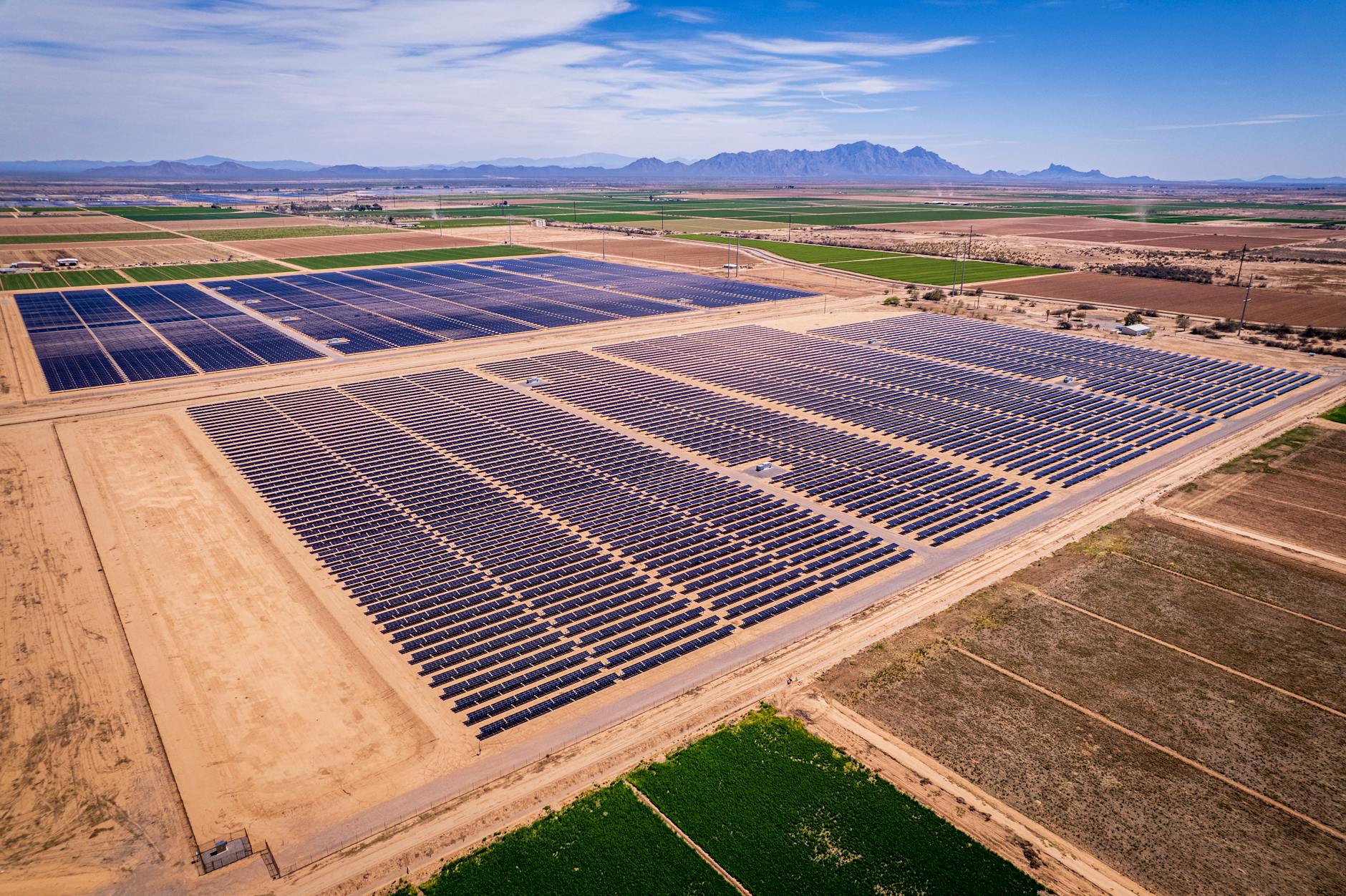
Australia is taking a monumental step towards a cleaner future with the final approval of Ark Energy's $1.3 billion Richmond Valley Solar Farm and Battery project in New South Wales. This massive hybrid facility, combining solar power with long-duration battery storage, is set to significantly boost renewable electricity supply and improve grid stability. The investment marks a critical milestone for Australia's energy transition, showcasing a strong commitment to sustainable solutions and a reliable, fossil-fuel-free power grid for tomorrow.
Ark Energy, an Australian renewable energy developer, recently received the green light from its parent company, Korea Zinc Co. Ltd., for the $1.3 billion Richmond Valley Solar Farm and Battery Energy Storage System (BESS).
This landmark investment, comprising both equity and debt financing, is Ark Energy's first 'build-to-own' renewable energy project to reach this stage. The project, located near Casino in northern New South Wales, will feature up to 500 MW of solar generation alongside a powerful 475 MW battery system using advanced lithium iron phosphate (LFP) technology. The first phase alone will include a 200 MW solar farm and a 275 MW battery with 2,200 MWh of storage, a game-changer for grid reliability.
After four years of dedicated planning, Ark Energy secured all necessary approvals, including environmental clearances and grid connection rights. Support from the NSW Government's Long-Term Energy Service Agreement (LTESA) program helped secure the project's long-term revenue, reducing investment risks and highlighting government commitment to clean energy infrastructure.
Beyond clean power, the Richmond Valley project promises significant local benefits. It is expected to create over 850 jobs during its peak construction phase and inject around $180 million into the regional economy. Environmentally, the project includes plans for a new biodiversity corridor and native vegetation planting, enhancing wildlife connectivity and underlining the importance of integrating ecological care with infrastructure development.
Projects like Richmond Valley are vital as Australia accelerates its move away from fossil fuels. Large-scale batteries are crucial for balancing the grid, storing excess solar energy during sunny periods and releasing it when demand is high or the sun isn't shining. This ensures a consistent, reliable supply of clean electricity, demonstrating how electrification outperforms traditional, carbon-intensive alternatives.
The global market for LFP batteries is booming, reflecting their reliability and cost-effectiveness for utility-scale storage. Fortune Business Insights expects this market to reach $77.07 billion by 2034. Australia is rapidly emerging as a leader in battery storage outside major markets like China and the U.S., with its market projected to grow from $4.8 billion in 2026 to $16.36 billion by 2035, according to industry forecasts. This growth is driven by government support and the urgent need for robust, sustainable energy solutions.
The Richmond Valley project is a powerful example of Australia's evolving renewable energy strategy. By combining massive solar capacity with long-duration battery storage, it not only delivers clean electricity but also strengthens grid flexibility and resilience. Such initiatives are key to building a lower-carbon, more reliable, and sustainable electricity system, critical in the urgent fight against global warming.