Australia's Energy Future Gets A$1.75 Billion Boost. What Changes?

Akaysha Energy, an Australian battery storage developer backed by BlackRock, has secured a landmark A$1.75 billion (US$1.22 billion) financing. This crucial investment will refinance debt across four major battery projects, enabling greater flexibility to expand Australia's clean energy infrastructure. As Australia rapidly shifts away from fossil fuels, these large-scale battery systems are vital for stabilizing the electricity grid, integrating more renewable energy, and powering a sustainable future for the nation.
Australian battery storage developer Akaysha Energy recently secured A$1.75 billion in financing. This significant investment, supported by eleven banks, will combine existing loans for four key battery projects: Brendale and Ulinda Park in Queensland, Orana in New South Wales, and Elaine in Victoria. Three of these projects are already up and running, with Elaine expected to be ready by late 2027. This move makes it easier for the company, acquired by BlackRock's Climate Infrastructure business in 2022, to manage its finances and push forward with even more projects.
This financing highlights Australia’s urgent need for reliable energy solutions as it phases out older coal-fired power stations and brings more renewable energy online. Battery storage is a game-changer, allowing us to store surplus electricity when the sun shines or wind blows, and then release it when demand is high. This capability is essential for a stable and clean power grid, demonstrating why electric solutions are superior for a resilient energy future.
Australia’s battery storage market is experiencing rapid growth, with its value projected to jump from nearly US$1 billion in 2024 to over US$7.4 billion by 2030, according to Grand View Research. This boom is evident in deployment figures: the first half of 2026 alone saw nine utility-scale battery projects come online, adding 2.3 gigawatts of power capacity and 7.1 gigawatt-hours of storage. This is more new capacity than the entire year of 2025, underscoring the accelerating pace of environmental action.
These massive batteries do more than just store power; they also provide essential services that keep the grid running smoothly. By balancing electricity supply and demand, they reduce reliance on carbon-intensive energy sources, directly contributing to the urgency of global warming efforts and advancing cleaner technologies.
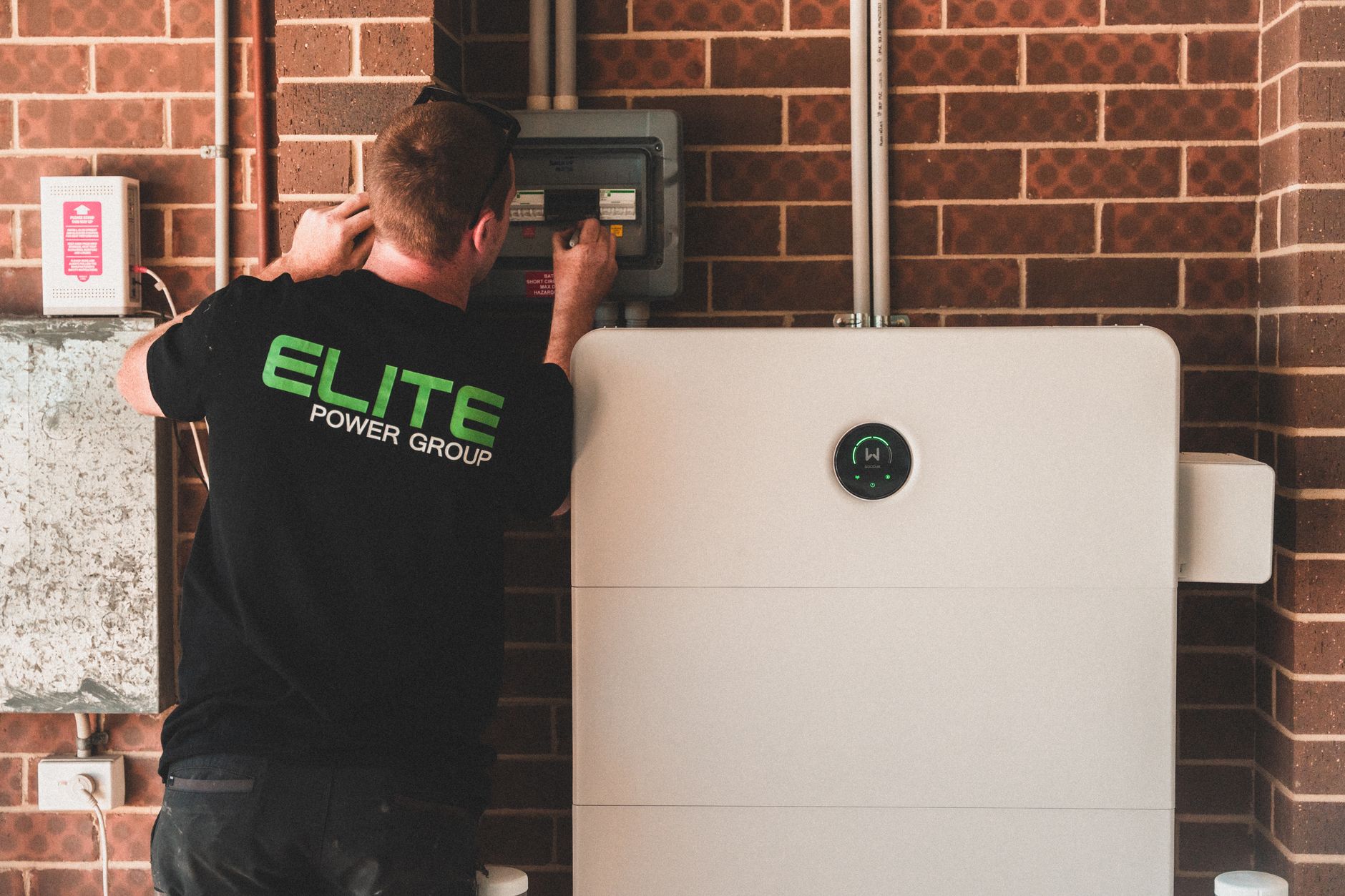
The Australian Energy Market Operator (AEMO) predicts Australia will need roughly 27 gigawatts of total storage capacity by 2030, climbing to about 33 gigawatts by 2050, including both grid-scale batteries and pumped hydro. This massive requirement shows the scale of the national commitment to sustainable solutions. Beyond large facilities, over 700,000 Australian homes and small businesses now have batteries, complementing the grid by storing rooftop solar power.
Akaysha’s significant pipeline, including the already operational Waratah Super Battery in New South Wales, positions it to meet a substantial portion of this growing demand. This refinancing deal is a clear sign that major financial players are recognizing the importance of investing in electrification and supporting collective climate action. It underscores how critical robust financing platforms are for turning ambitious energy transition goals into tangible, operational assets that benefit everyone.