Auto giants unveil a surprising climate solution for your car.

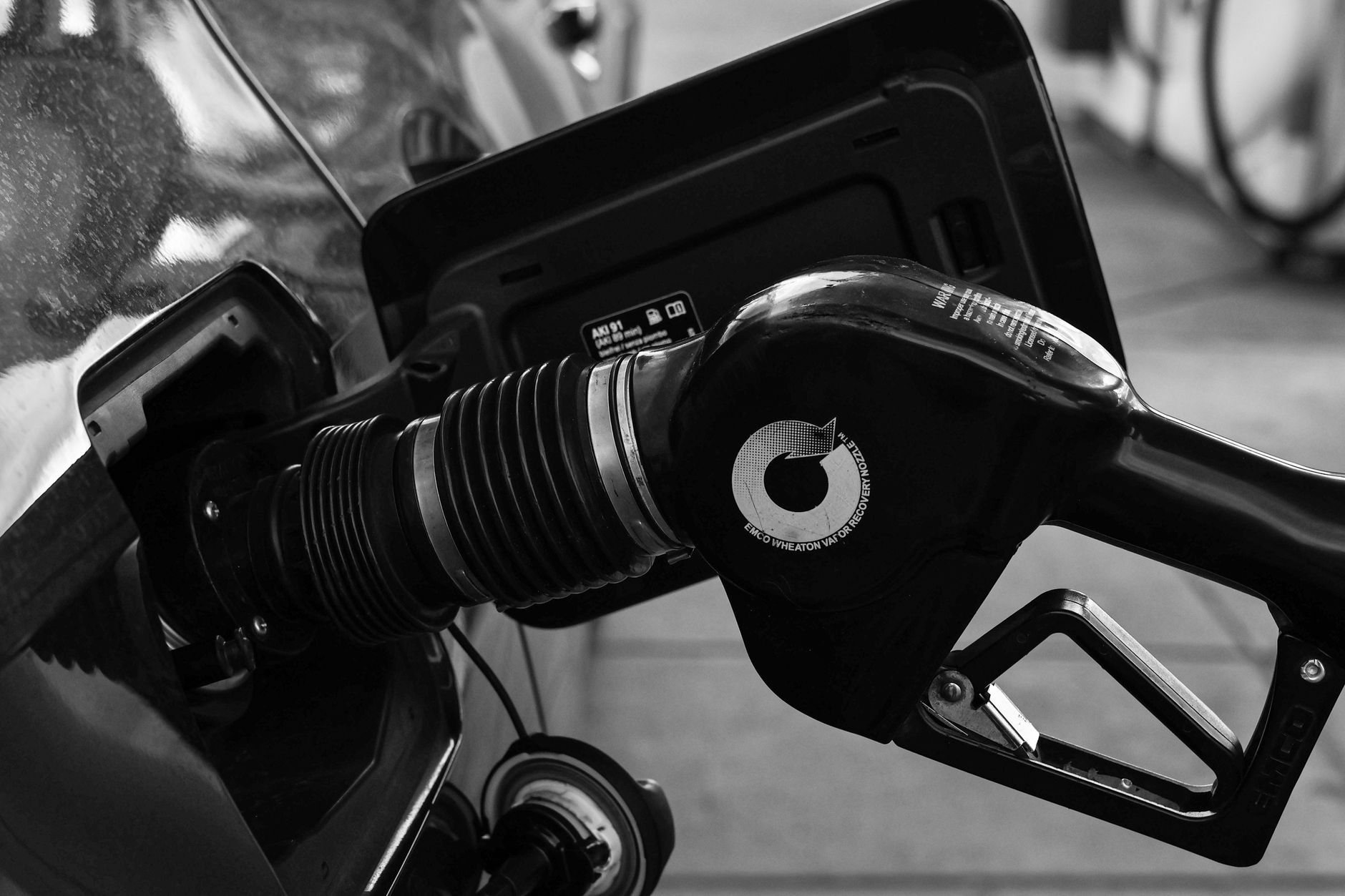
While electric vehicles are leading the charge towards cleaner transportation, a new approach is gaining traction among major automakers. Toyota, BMW, Bosch, and Repsol are piloting 100% renewable gasoline in Spain, testing its effectiveness in everyday cars. This innovative fuel, made from waste materials, aims to drastically cut carbon emissions from the millions of gasoline vehicles already on the road. It offers a practical way to accelerate climate action by reducing pollution from existing cars, complementing the transition to full electrification and offering a crucial bridge to a net-zero future.
Transport is a huge source of carbon emissions, with road vehicles making up about three-quarters of global energy-related CO₂ emissions, according to the International Energy Agency IEA. While electric cars are a vital part of the solution, the world has over 1.5 billion gasoline-powered vehicles that won't disappear overnight. This creates a massive challenge for reaching our urgent climate goals.
That’s why major players like Toyota, BMW, Bosch, and Repsol are exploring another promising path: renewable gasoline. This fuel, produced from sustainable waste materials, can cut lifecycle carbon dioxide emissions by up to 90% compared to traditional gasoline. The best part? It works seamlessly in today's cars and uses existing fuel stations, meaning immediate environmental benefits without costly vehicle upgrades.
This pilot project in Spain, testing renewable gasoline in real-world conditions, shows a growing commitment to a multi-pronged approach to fight climate change. Governments worldwide are also backing low-carbon fuels through policies like the EU’s Renewable Energy Directive, recognizing their role in meeting ambitious climate targets. Renewable fuels offer a powerful complement to electrification, helping us decarbonize transport faster by tackling emissions from vehicles already on the road.
Companies involved, including Toyota and BMW, have clear climate goals, aiming for carbon neutrality by 2050. They see renewable fuels as a practical way to bridge the gap during the transition, especially for hybrid vehicles and markets where electric vehicle adoption is slower. The IEA expects renewable energy in transport to grow by 50% by 2030, with biofuels potentially supplying about 235 billion liters annually. This collaborative effort underlines that achieving net-zero transport will require every sustainable solution available, leveraging innovation to protect our planet.