Aviation's Green Flight: What's Missing for a Net-Zero Future?

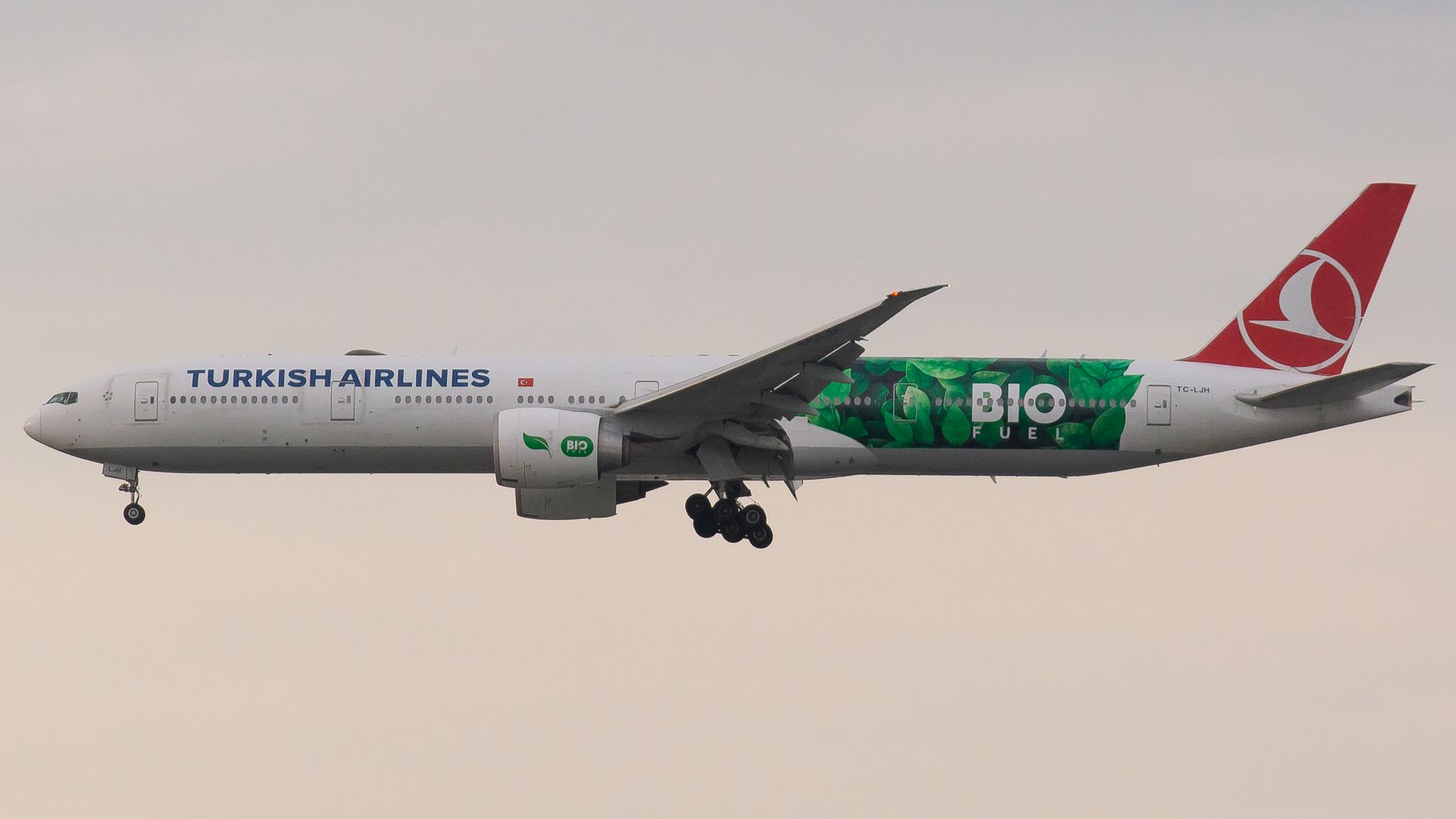
The global aviation industry is at a critical juncture, facing immense pressure to curb its carbon footprint and address its contribution to climate change. With air travel continuously growing, finding sustainable solutions is urgent. Two key strategies, the Carbon Offsetting and Reduction Scheme for International Aviation (CORSIA) and Sustainable Aviation Fuel (SAF), are emerging as vital tools to steer the sector toward a net-zero future. However, significant challenges remain in scaling up these efforts and ensuring their effectiveness, highlighting the need for accelerated action and investment.
Aviation, while connecting our world, is one of the toughest sectors to make truly green. Aircraft need powerful, energy-dense fuels for long journeys, making a simple switch to electricity difficult. The industry accounts for about 2.5% of global human-caused CO₂ emissions, with additional warming effects from things like contrails. To tackle this, a two-pronged approach focusing on Sustainable Aviation Fuel (SAF) and carbon offsetting through CORSIA is taking flight.
SAF offers a promising path forward. Made from renewable sources like used cooking oil or agricultural waste, it can directly replace conventional jet fuel in existing planes, significantly cutting lifecycle emissions. Experts believe SAF could deliver about 65% of the emissions reductions needed for aviation to reach net-zero CO₂ by 2050. This reliance on cleaner fuels is a major step towards a healthier planet. However, production is currently tiny—just 2.4 million tonnes in 2026—when hundreds of millions are needed, creating a vast supply gap.
Alongside cleaner fuels, CORSIA is an international system designed to manage remaining emissions from flights between participating countries. It requires airlines to track and report their carbon output, then offset any emissions above a certain baseline by purchasing approved carbon credits. This system is being phased in, with broader participation expected by 2027, demonstrating a collective commitment to responsible environmental stewardship within the industry.
Yet, a major hurdle for CORSIA is the scarcity of eligible carbon credits. A July 2026 analysis by Sylvera estimates a potential 125 million-credit shortfall by 2028. Many existing credits don't meet CORSIA’s strict rules, leading to concerns about future supply and soaring costs for airlines, potentially reaching $127 billion by 2035, according to an MSCI Carbon Markets analysis. This situation underscores the critical need for a reliable supply of high-quality, verified carbon reduction projects.
Ultimately, the path to sustainable aviation requires both widespread adoption of low-carbon fuels and a robust system for managing unavoidable emissions. While SAF tackles the emissions directly at the source by replacing fossil fuels, CORSIA manages the emissions that still remain from international aviation. Closing the massive SAF production gap and ensuring a steady supply of eligible carbon credits will demand significant investment, stronger government policies, and continuous innovation in green technologies. This collective effort is essential for protecting our planet and ensuring a future where air travel is truly sustainable.