Aviation's Green Future Hinges on Surprising Source

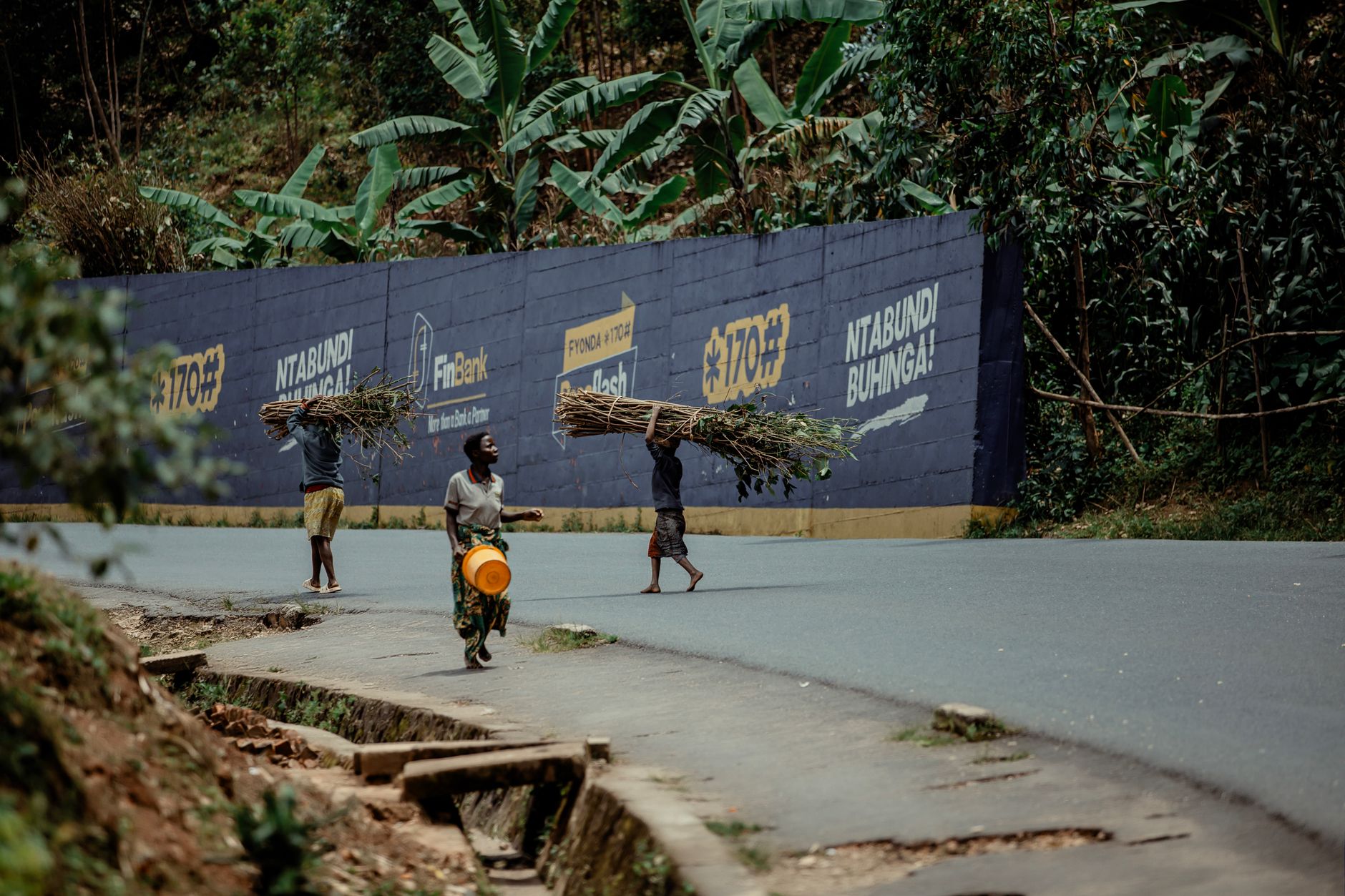
Base Carbon's Rwanda cookstoves project just secured a significant boost in carbon credits eligible for the aviation industry's mandatory climate compliance scheme, CORSIA. These 640,000 newly approved credits, part of a larger nearly 2-million-ton inventory, are crucial as the sector faces a massive shortage of units required to offset emissions. This project not only helps airlines meet their climate obligations but also brings vital environmental benefits to rural Rwandan households by reducing deforestation and harmful indoor air pollution. It highlights how local sustainable solutions are pivotal for global climate action.
A major boost of nearly 640,000 new carbon credits from a Rwanda project has just been approved for international aviation. These credits are now eligible for CORSIA (Carbon Offsetting and Reduction Scheme for International Aviation), the global plan for airlines to manage their emissions. This is big news, especially as airlines are getting ready for their first official compliance deadlines under the scheme in late 2026.
This project, run by Base Carbon, uses efficient cookstoves in Rwanda. The timing of these newly approved credits is key, as the aviation industry is facing a massive shortage. Experts estimate that airlines need around 213 million tonnes of CO2 credits for the first phase of CORSIA (2024-2026), but there are only about 38 million tonnes available. This huge gap means that eligible credits like these are increasingly valuable and necessary.
Beyond just helping airlines, the Rwanda cookstoves project brings significant environmental and community benefits. By distributing fuel-efficient cookstoves to thousands of rural households, it dramatically cuts down on the amount of firewood used. This not only helps prevent deforestation and protect local ecosystems but also reduces unhealthy indoor air pollution, improving the health of families. It’s a clear example of how sustainable local actions contribute to broader climate goals.
CORSIA has strict rules about which carbon credits can be used, meaning not all available credits qualify. This tight eligibility creates a unique demand for projects that meet these high standards. As CORSIA moves into its second, more widely participating phase starting in 2027, the need for these certified credits will likely grow even more.
Ultimately, projects like the one in Rwanda show how important it is to invest in practical, sustainable solutions. They demonstrate that addressing climate change isn't just about big policy changes, but also about supporting community-level initiatives that deliver real environmental benefits while helping major industries meet their climate commitments for a cleaner future.