Aviation's Hidden Climate Challenge: Why Credits Are Disappearing

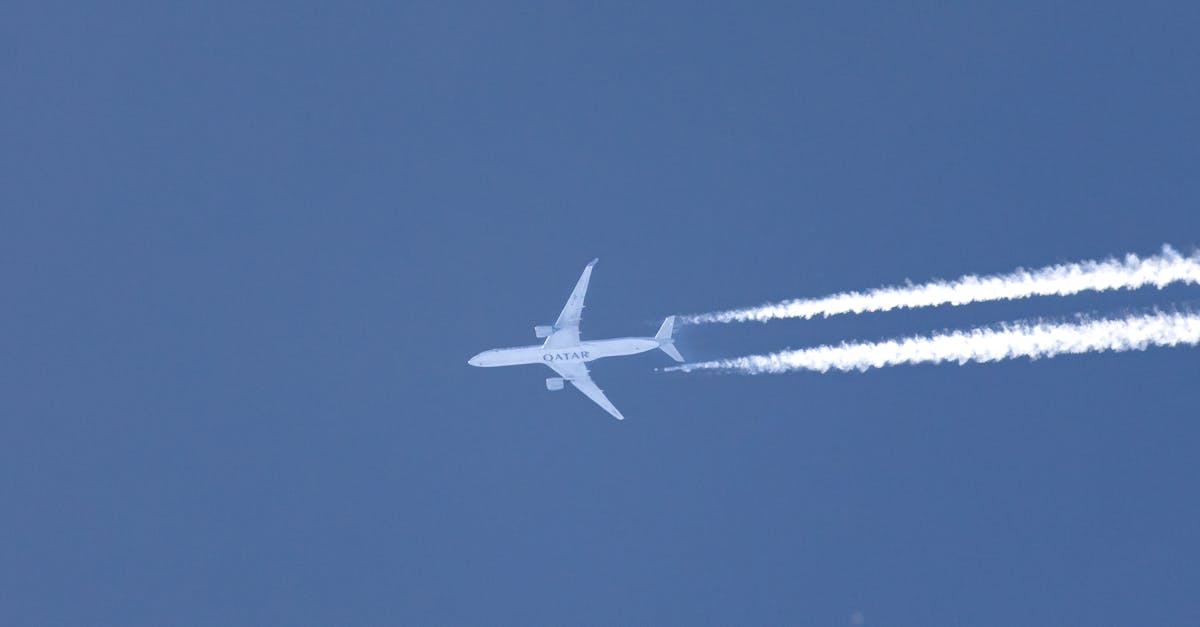
A significant agreement has been struck between carbon project developer Econetix and energy trader RWE Supply & Trading, aiming to provide much-needed carbon credits for the international aviation market. This multi-million dollar forward deal comes at a crucial time, as the sector faces a growing shortage of eligible credits required by CORSIA, the global scheme for offsetting aviation emissions. This deficit highlights the urgent need for sustainable solutions to combat climate change, ensuring airlines can meet their environmental obligations and work towards a greener future.
The recent deal between Econetix and RWE Supply & Trading aims to bridge a critical gap in the aviation industry's efforts to address its carbon footprint. Airlines worldwide are under pressure to comply with the Carbon Offsetting and Reduction Scheme for International Aviation (CORSIA), which requires them to offset a portion of their emissions. However, the market for these specific, approved carbon credits is severely undersupplied.
Estimates from the International Civil Aviation Organization (ICAO) and the International Air Transport Association (IATA) show a significant shortfall. For the initial compliance phase (2024–2026), demand could be as high as 236 million tonnes of carbon, while available eligible supply is currently only around 38 million tonnes, according to data from ICAO. This huge difference makes securing future supplies, like those offered through the Econetix-RWE deal, incredibly important.
Not just any carbon credit will do for CORSIA. Credits must meet strict criteria, including approval from ICAO-listed programs and, crucially, authorization from the host country where the emissions reductions occur. This process, often linked to Article 6 of the Paris Agreement, ensures that carbon reductions are counted only once, preventing 'double-counting' and strengthening the credibility of climate action. Econetix has been actively working to secure these vital host-country approvals, building a pipeline of projects across several African nations.
These projects, focusing on areas like clean cooking programs, represent real-world efforts to reduce emissions and support sustainable development in communities. By generating verified carbon credits, these initiatives offer a pathway for airlines to comply with CORSIA and contribute to global climate goals.
The urgency for airlines is clear: they face a January 2028 deadline to cancel the necessary units for the first compliance period. As more countries join CORSIA, the demand for eligible credits is set to climb even higher. This creates both a challenge and an opportunity to invest in environmental projects that deliver tangible benefits while helping aviation reduce its climate impact. The increasing interest in these types of forward agreements underscores the global commitment to tackling aviation emissions and the growing importance of collective climate action.