Bahamas Resort Battle Puts This Marine Icon's Future on the Line

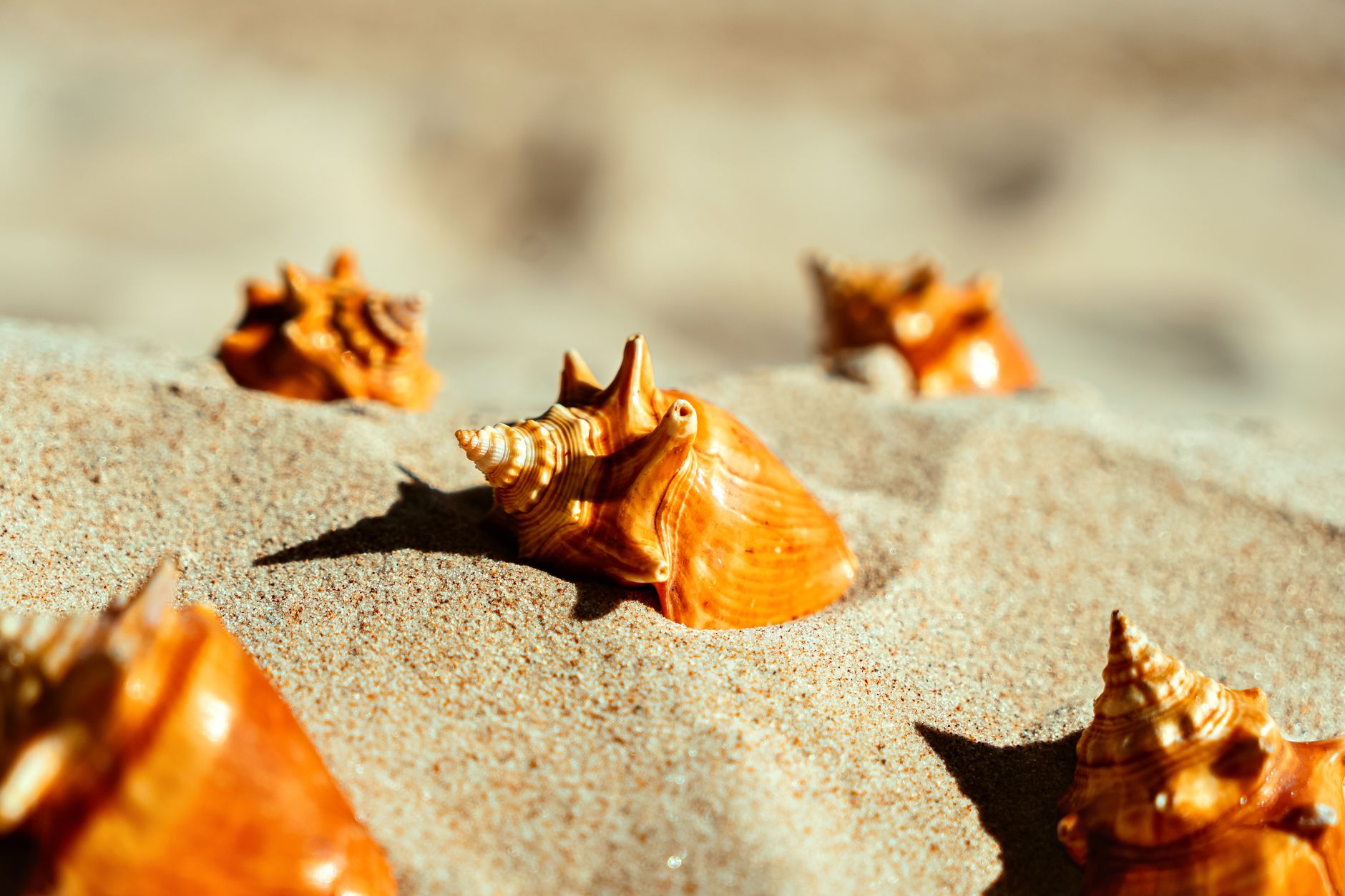
A legal battle is unfolding in the Bahamas Supreme Court, pitting rival resorts against a new development plan. At the heart of the dispute is a crucial nursery for the Queen conch, a species listed as threatened by the U.S. government. The proposed dredging for a service dock threatens vital seagrass beds where young conchs spend their critical first year. The court will decide if the project's environmental approvals were lawfully granted, a decision that carries significant weight for the delicate marine ecosystem.
In the beautiful Exumas region of the Bahamas, a court case is determining more than just commercial interests; it's also impacting the future of the vulnerable Queen conch.
Developers behind the planned Rosewood Exuma resort aim to dredge about 1.26 acres of North Bay for a service dock. This area, just south of East Sampson Cay, is recognized by researchers from Shedd Aquarium as a high-density nursery for juvenile conch, which thrive in the thin green blades of seagrass during their early lives.
Two neighboring developers, of Turtlegrass Resort & Island Club and Over Yonder Cay, are challenging these plans in court. They argue that public consultation on the project was flawed and that its environmental effects were not fully assessed. Critics, like Eric Carey, a consultant for Turtlegrass and former head of the Bahamas National Trust, suggest the dock could be moved to a less sensitive area without additional dredging.
The U.S. has listed the Queen conch as threatened since 2024, with overfishing being the primary threat. However, scientists emphasize that harming their habitat is a major obstacle to recovery. Megan Davis, a research professor at Florida Atlantic University, states simply, “You can’t expect the conch to recover if you’re harming their habitat.”
Scientists like Andy Kough, a research biologist with Shedd Aquarium, warn that disrupting the vital tidal flows into these channels, which flush nurseries with larvae and clean water, could permanently alter their suitability for young conch. While much is still unknown about how conch respond to development, destroying these crucial seagrass beds would undoubtedly have detrimental effects.
Officials from the Bahamas’ Department of Environmental Planning and Protection (DEPP) initially noted that the project didn't meet sustainable development standards, leading to a reduced footprint. However, their review reportedly failed to properly account for the conch. The developer's own assessment mentioned observing conch but did not estimate population numbers or density, stating they “were not observed in abundance” and didn’t intend to impact nurseries. Yet, past issues include cease-and-desist orders for over-clearing land and sediment plumes from barge deliveries, highlighting the sensitive nature of such operations.
A judge has temporarily halted dredging in North Bay until a ruling is made, underscoring the seriousness of this environmental challenge. The outcome of this case will not only impact the future of these competing resorts but, more critically, the fragile marine life that calls these Bahamian waters home.