Balcony Solar: How Tiny Panels Offer Big Energy Savings

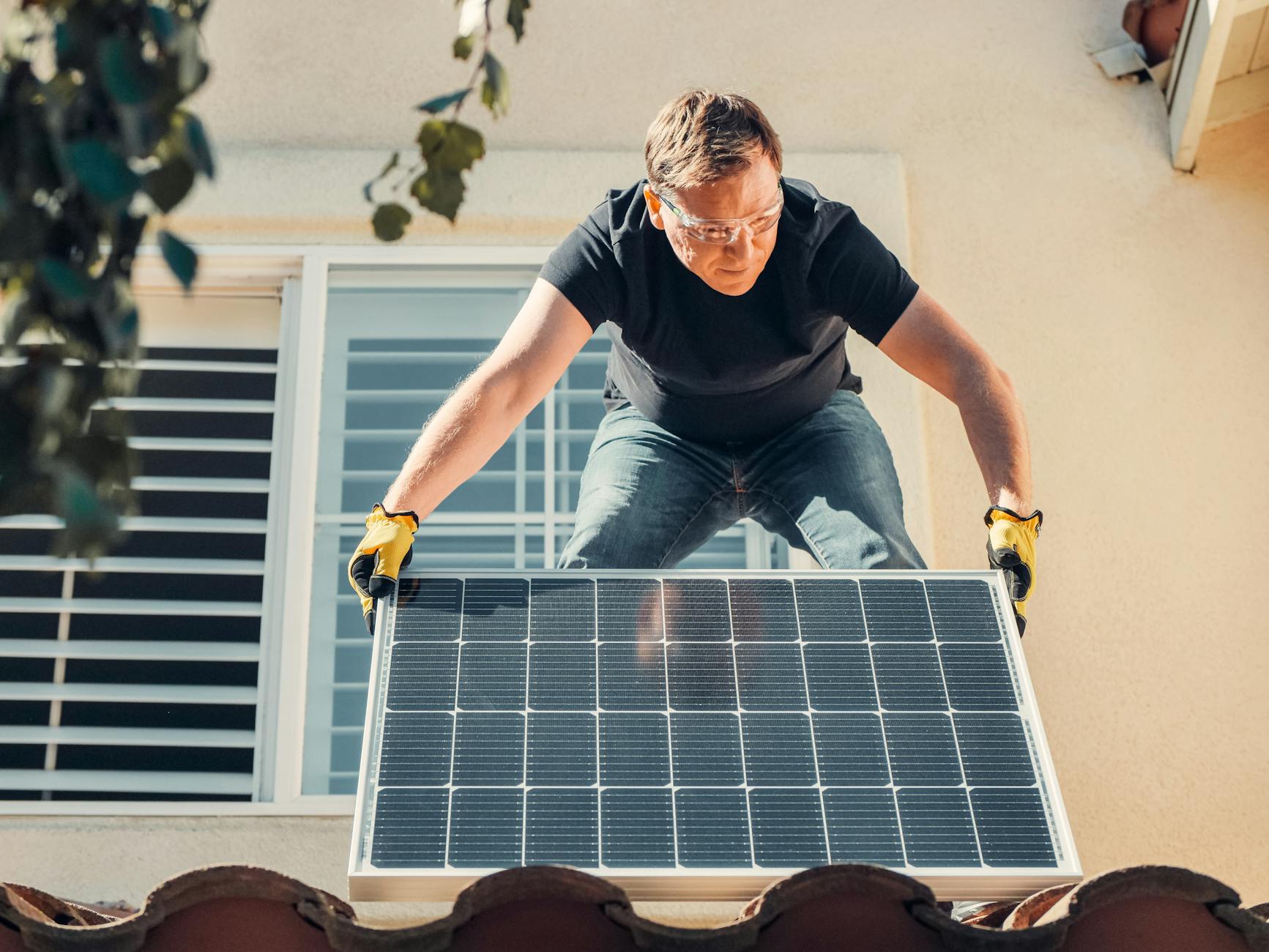
As U.S. electricity prices have climbed by about 30% since 2020, many households are seeking relief from surging utility bills. A groundbreaking solution, dubbed 'balcony solar,' is emerging to empower individuals to generate their own clean energy. These easy-to-install, lightweight solar panels offer a simple, plug-and-play way for renters and homeowners alike to cut costs and contribute to a greener future. This accessible technology is poised to democratize the clean energy transition, making sustainable power a reality for more people.
Feeling the pinch of higher electricity bills is a common experience, with U.S. residential energy prices jumping significantly since 2020, making power a top household expense, according to the U.S. Energy Information Administration.
But for people like Alex Curtis, a new, simple solution is helping fight back. Curtis recently installed a lightweight, thin-film solar panel kit on his balcony, an easy step towards energy independence. Unlike traditional rooftop solar setups that demand significant investment and professional installation, this innovative system is designed for everyday use.
Coming in at around $400, these kits advocated by non-profits like Bright Saver, simply hang on a balcony or can be propped up in a backyard. The panels plug directly into a standard wall outlet, using a small inverter to seamlessly integrate the solar power into the home's existing electrical system. Curtis estimates his setup could save him $30 to $50 a month, enough to power appliances like his refrigerator, and it took only about 15 minutes to install.
Cora Stryker, co-founder of Bright Saver, sees this technology as vital for making the green energy transition available to everyone. It’s a win-win: individuals can lower their planet-warming emissions and significantly reduce their electric bills. As Stryker points out, clean energy is becoming the most affordable option, and consumers should reap those benefits. While these small panels won't take a home entirely off the grid, they can trim monthly costs by 10% to 25%, offering a meaningful step toward sustainability.
This trend isn't entirely new; in Germany, these systems are so popular they’re known as "Balkonkraftwerk" or "balcony power plants," with an estimated 4 million units already installed. The U.S. has been slower to adopt, largely due to old utility regulations and bureaucratic hurdles that were initially designed for much larger systems. However, the legal landscape is quickly shifting. Utah became the first state to officially authorize plug-in solar in 2025, and similar legislation has passed in Colorado, Connecticut, Maine, Maryland, New Hampshire, and Virginia, with 34 states and Washington, D.C. introducing related bills. This growing acceptance underscores a push for personal energy liberty and a widespread embrace of cleaner, more affordable power options.
For many, like Alex Curtis, it's not just about saving money; it's about gaining a sense of self-sufficiency and contributing to a healthier planet. These small steps collectively power a big change towards a sustainable future.