Battery Giant Hits Green Target, What's Next for EV Future?

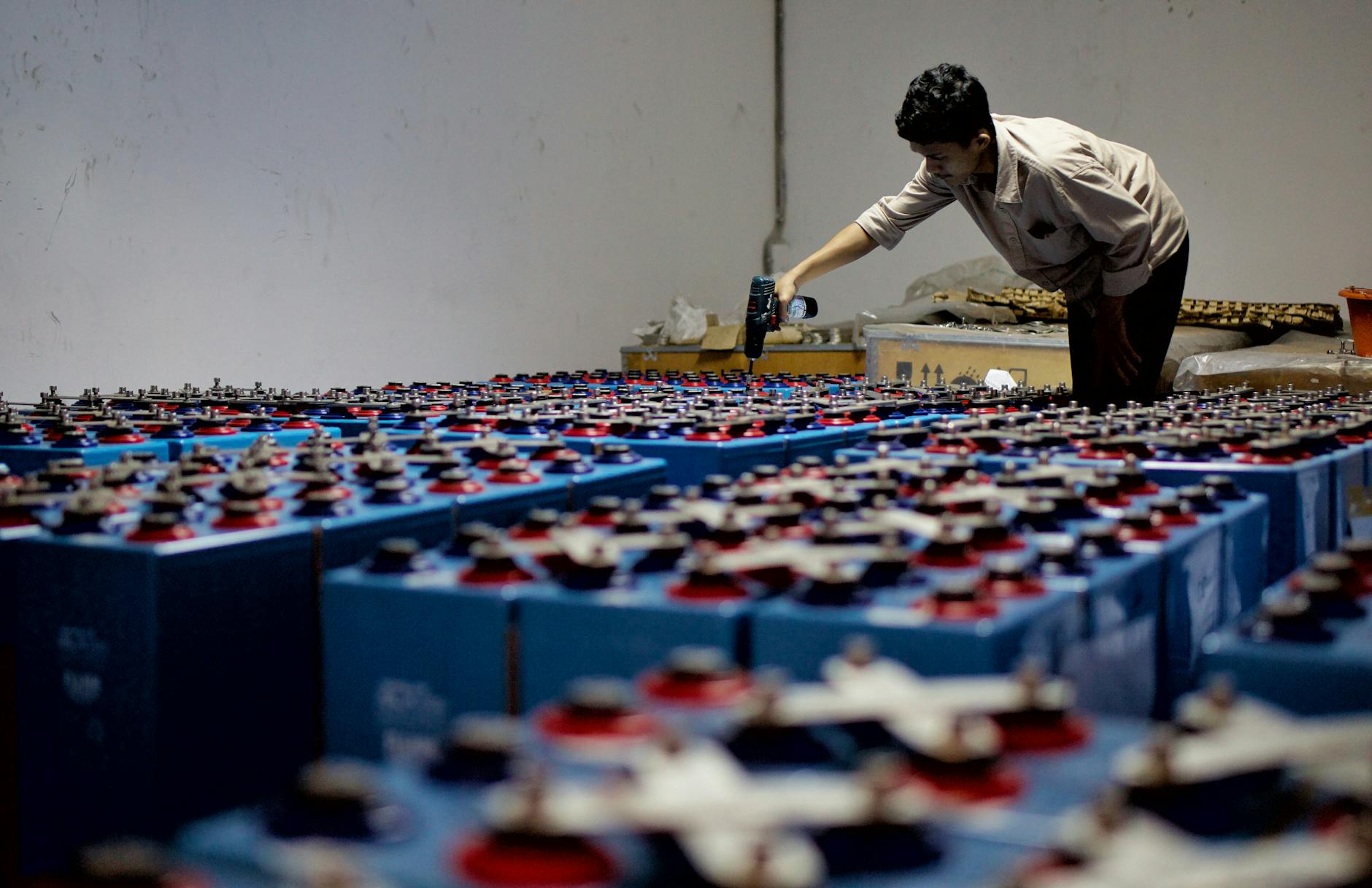
CATL, the world's leading electric vehicle battery maker, has announced a significant stride in its climate efforts, declaring all 20 of its battery plants carbon neutral by 2025—a year ahead of schedule. This milestone for the company, which powers a vast number of EVs, underscores the growing commitment to sustainable solutions in the electrification push. However, the harder journey lies ahead: CATL now aims to decarbonize its entire battery supply chain by 2035, tackling the majority of its emissions from raw materials to recycling. This ambitious goal is crucial for truly clean electric vehicles and fighting global warming.
CATL, the biggest maker of batteries for electric vehicles, has successfully made all 20 of its factories carbon neutral. This achievement, announced in August 2026, actually met their 2025 target ahead of time. This means their core operations now run on 100% zero-carbon electricity, drastically cutting their emissions by over 10 million tonnes of CO2e between 2023 and 2025. It's an important step for the company, showing that large-scale manufacturing can be done with much less environmental impact, moving us closer to a cleaner future.
This move is particularly important because the demand for EV batteries is exploding. The International Energy Agency expects global EV battery use to more than double by 2030, reaching almost 3 terawatt-hours. As the top player, accounting for over 39% of the global power battery market, CATL’s commitment sets a high standard. Their progress demonstrates that even major industrial players can make significant strides in reducing operational carbon footprints, paving the way for more sustainable electric transport and energy storage solutions.
However, the real challenge for CATL, and the wider industry, lies beyond the factory walls. The company admits that more than 80% of its total product emissions come from its supply chain—from mining raw materials to transportation. This is why CATL has set an ambitious new goal: to make its entire value chain carbon neutral by 2035. They're tackling this by collecting carbon data from suppliers, requiring new partners to provide product carbon footprint data, and even offering incentives like better order allocation to those with stronger environmental performance. This deep dive into the supply chain is essential for making the overall journey to electrification truly green.
Ultimately, CATL's commitment highlights a critical truth: to genuinely address global warming and unlock the full benefits of electrification, we need a holistic approach. Cleaning up factories is a fantastic start, but integrating sustainability throughout the entire production lifecycle, from earth to vehicle, is the ultimate goal. If major players like CATL can inspire and lead their vast networks of suppliers toward greener practices, it will have a profound and lasting positive impact on our planet, accelerating the shift towards a healthier, more sustainable world.