Bay Menhaden Cap Reduced, But Is It Enough for Struggling Ospreys?

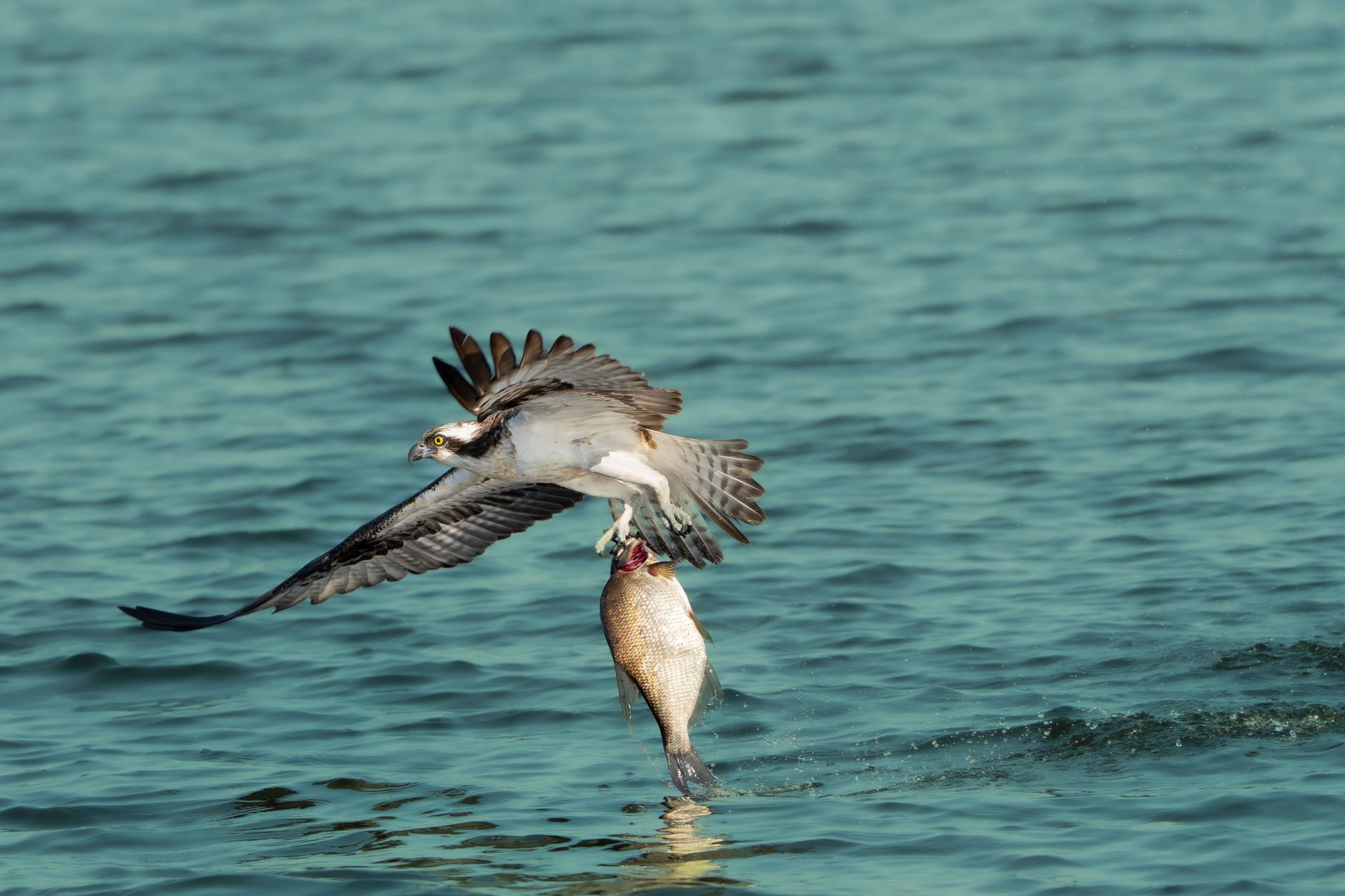
Fisheries managers recently agreed to lower the cap on industrial menhaden fishing, particularly in the vital Chesapeake Bay nursery. These small, oily fish are crucial as they filter plankton and serve as a primary food source for many predators, including ospreys and striped bass. While a step towards protecting the ecosystem, conservationists worry the reductions don't go far enough to prevent further decline, highlighting a critical balancing act between commercial interests and environmental health. The urgency of safeguarding these foundational species for the entire Bay ecosystem is paramount.
The Atlantic States Marine Fisheries Commission's Menhaden Management Board announced new catch limits, reducing the coastwide cap by roughly 9 percent in both 2027 and 2028. More significantly, the Chesapeake Bay industrial fishing cap will see a larger cut: 27 percent in 2027 and 34 percent by 2028. This decision aims to leave more menhaden in the water, which are essential for the health of the Bay's ecosystem.
Menhaden are often called the "most important fish in the sea" because they are key filter feeders and a vital food source. Predators ranging from ospreys to striped bass and bluefish rely heavily on them. However, industrial fishing fleets use specialized methods to catch dense schools of menhaden for processing into fishmeal and oil, which supports the aquaculture industry. This intensive fishing activity, especially in the Chesapeake Bay, a critical nursery for menhaden, has raised serious concerns.
The declining osprey population offers a stark warning. Researchers have documented severe food stress and poor breeding success among ospreys in the Bay's saltier waters, where menhaden are a primary food source. For example, a 2026 survey found a high failure rate for nesting pairs in these areas, underscoring the direct impact of menhaden availability on these iconic birds.
Conservation groups argue that the commission's reductions are insufficient. While the commission considers the economic impact on harvesters, their own projections suggest a much deeper cut would be needed to meet ecological targets designed to maintain healthy predator populations. This gap means the new limits might still allow more fishing than what scientists recommend for true ecological balance, even if it avoids technical "overfishing" thresholds. Protecting the environment means taking proactive steps, not just avoiding the brink of collapse.
Adding to the complexity, the actual commercial catches last year were below even the new, higher limits, meaning the 2027 cap leaves room for increased fishing. The debate also included calls for seasonal quota periods to ease pressure during critical osprey breeding times, but these were not adopted. Virginia, home to the region's only menhaden processing plant, holds a significant portion of the coastwide quota, leading to differing viewpoints among states on the extent of necessary cuts.
While the industry expresses disappointment over the cuts, emphasizing potential economic hardship, conservation groups like the Chesapeake Bay Foundation and the Theodore Roosevelt Conservation Partnership continue to push for stronger, ecosystem-based management. They highlight signs of stress, such as younger and lighter menhaden catches, and advocate for more robust scientific research and transparency, including observers on fishing vessels, to truly understand and protect this crucial species and its environment. Collective climate action and sustainable practices are not just ideals but necessities for the health of our planet.