Beneath Our Feet: The Hidden Crisis Threatening Global Water

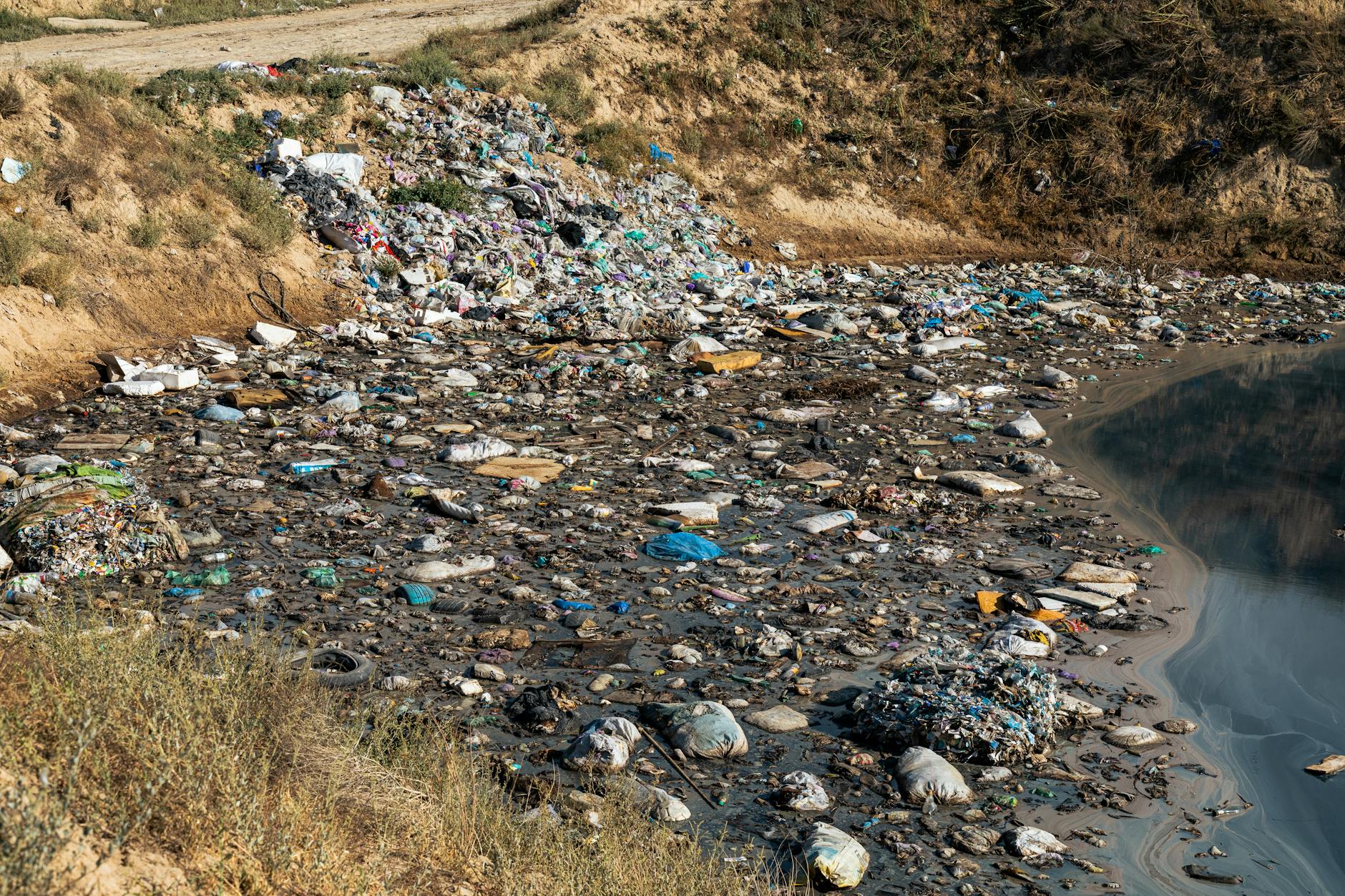
Extreme heat and prolonged droughts, intensified by climate change, are making headlines for surface water shortages. However, a deeper, less visible crisis is unfolding underground: our groundwater supplies are warming. Scientists predict a global temperature increase of 2.1°C in groundwater by century's end, altering its chemistry and leading to contamination. This urgent environmental issue threatens the quality and safety of the water vital for billions, highlighting the critical need for climate action and sustainable solutions to protect our most valuable hidden resource.
Climate change is not just drying up rivers and lakes; it’s also silently jeopardizing the vast reserves of water hidden beneath us. As groundwater warms, its chemical makeup changes. Essential dissolved gases become less soluble, while organisms consume oxygen faster. This can make aquifers oxygen-poor, releasing natural contaminants like arsenic and manganese from rocks, making the water unsafe to drink. Warmer groundwater also favors harmful pathogens and fuels toxic algal blooms when it surfaces. This critical shift is happening because global warming is heating the land surface, causing heat to transfer downwards into shallow aquifers.
This underground warming matters immensely because groundwater constitutes a staggering 99% of Earth's liquid freshwater and supplies about half the world's drinking water. It also provides nearly 40% of irrigation water globally. Experts project that by 2100, between 77 and 188 million people will live in areas where groundwater temperatures exceed safe drinking standards, illustrating the urgent need to address this escalating environmental challenge.
Beyond warming, changing rainfall patterns and intense droughts also alter groundwater quality. Periods of drought followed by heavy rains can create large pores in the soil. Instead of filtering slowly through the upper layers – which act as a natural "bioreactor" – water rushes directly into aquifers, carrying unwanted substances from the surface, potentially including antibiotics and microplastics, as observed in German aquifer systems. This rapid bypass means the earth's natural purification process is compromised, directly impacting water safety.
The problem is compounded by increased pumping during droughts, which draws up older, more contaminated water. Farmers in India, like Santosh Naik, have seen their wells become salty and unusable, impacting crops and health, with analysis showing significant salinity increases across large agricultural areas. Along coastlines, declining groundwater levels, often due to over-pumping and reduced rainfall, weaken the natural barrier against seawater intrusion. This makes wells unsuitable for drinking and reduces soil fertility, with salty irrigation water cutting crop yields by over 17%. These local impacts underscore a global environmental crisis demanding immediate attention and sustainable practices.
The good news is that communities worldwide are exploring innovative, sustainable methods to replenish aquifers and protect water quality. The Netherlands operates a "Water Battery" system that collects spring water and channels it underground for natural purification and storage. In California, farmers are diverting excess surface water onto fields during dormant periods to recharge aquifers, without harming crops. Cities, too, are making progress; Pinamar, Argentina, uses rain gardens to boost groundwater recharge. These solutions highlight the power of collective environmental action, demonstrating how we can work with nature to secure our vital water resources for future generations.