Beneath Your Home: Western PA's Hidden Oil Well Secret

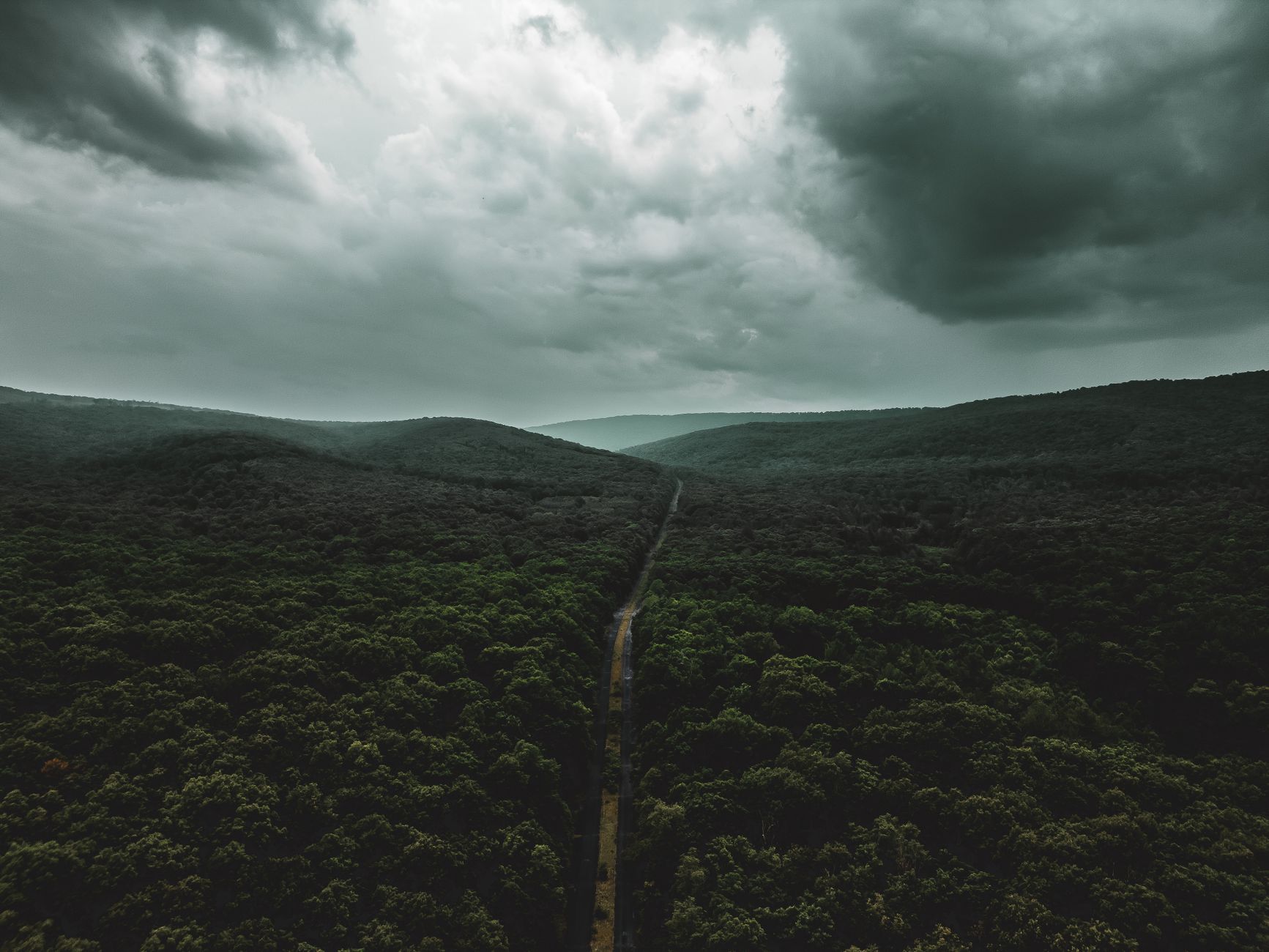
Thousands of old, forgotten oil and gas wells lie hidden beneath homes and communities across Western Pennsylvania. Many were drilled over a century ago and have been out of production for decades, often without proper sealing. These "unplugged" wells pose potential risks, from leaking methane – a potent greenhouse gas that fuels climate change – to contaminating groundwater and causing dangerous sinkholes. To empower residents, Inside Climate News and the Pittsburgh Post-Gazette have launched an interactive map to help locate these unseen hazards, making it easier for people to understand what might be lurking beneath their own properties. This initiative underscores the urgent need to address the environmental legacy of fossil fuel extraction.
Many residents in Western Pennsylvania are unknowingly living near, or even directly on top of, forgotten oil and gas wells, some dating back over a century. Take Brittany and Ryan Mahoney, for instance, who discovered six such wells within 150 feet of their first home, a revelation they only made thanks to a new investigative project. These thousands of old wells often remain unplugged or poorly sealed, sometimes with makeshift materials like tree trunks, posing silent threats.
The primary concern stems from the potential for these wells to leak. Methane, a powerful greenhouse gas, can seep into the air, contributing to climate change and posing an explosion risk if it accumulates in enclosed spaces. Beyond gas leaks, these neglected wells can also contaminate local groundwater, affecting drinking water supplies, or lead to ground instability, creating dangerous sinkholes. The challenge is immense, as many locations of these legacy wells were lost to time, making hazards difficult to monitor.
Recognizing this silent environmental and safety issue, Inside Climate News and the Pittsburgh Post-Gazette collaborated to create an interactive map. This valuable tool allows anyone in Pennsylvania to search their location and uncover information about nearby wells, empowering communities with knowledge about their surroundings. While not all old wells are immediate dangers, knowing their presence is the crucial first step toward addressing potential problems.
Experts advise residents to look for specific warning signs, such as a petroleum-like odor, patches of dead vegetation around a wellhead, or unusual erosion. Rusty pipes or other visible remnants of old infrastructure should also be noted. However, it's vital *not* to attempt to inspect or "fix" these wells yourself. Doing so can be extremely dangerous due to trapped gases. Instead, if you suspect a leak or find an undocumented well, report it immediately to the Pennsylvania Department of Environmental Protection (DEP) using their online form or by contacting their local office.
The DEP faces a monumental task in plugging these wells, which are prioritized based on risk to public safety, health, and the environment. Funding and staffing limitations mean that even reported, high-priority wells can take years to address, as evidenced by Pamela Schrank, who has waited over two years for a leaking well in her backyard to be sealed. Her experience highlights the slow pace of remediation, even with federal funds now becoming available. The agency differentiates between "orphaned" wells, where no responsible owner exists and the state takes charge, and "abandoned" wells, where an operator might still be held accountable, though this process can be lengthy.
The urgency of addressing these legacy issues cannot be overstated. Beyond immediate safety concerns, the continuous release of methane from these wells contributes significantly to climate change. Moving away from fossil fuels and embracing sustainable energy solutions is critical to prevent future generations from inheriting similar environmental burdens. Identifying and properly sealing these old wells is a vital step in mitigating past environmental damage and protecting our communities and planet for the future.