Beyond CO2: Hidden Pollutants Drive 15% of Global Warming

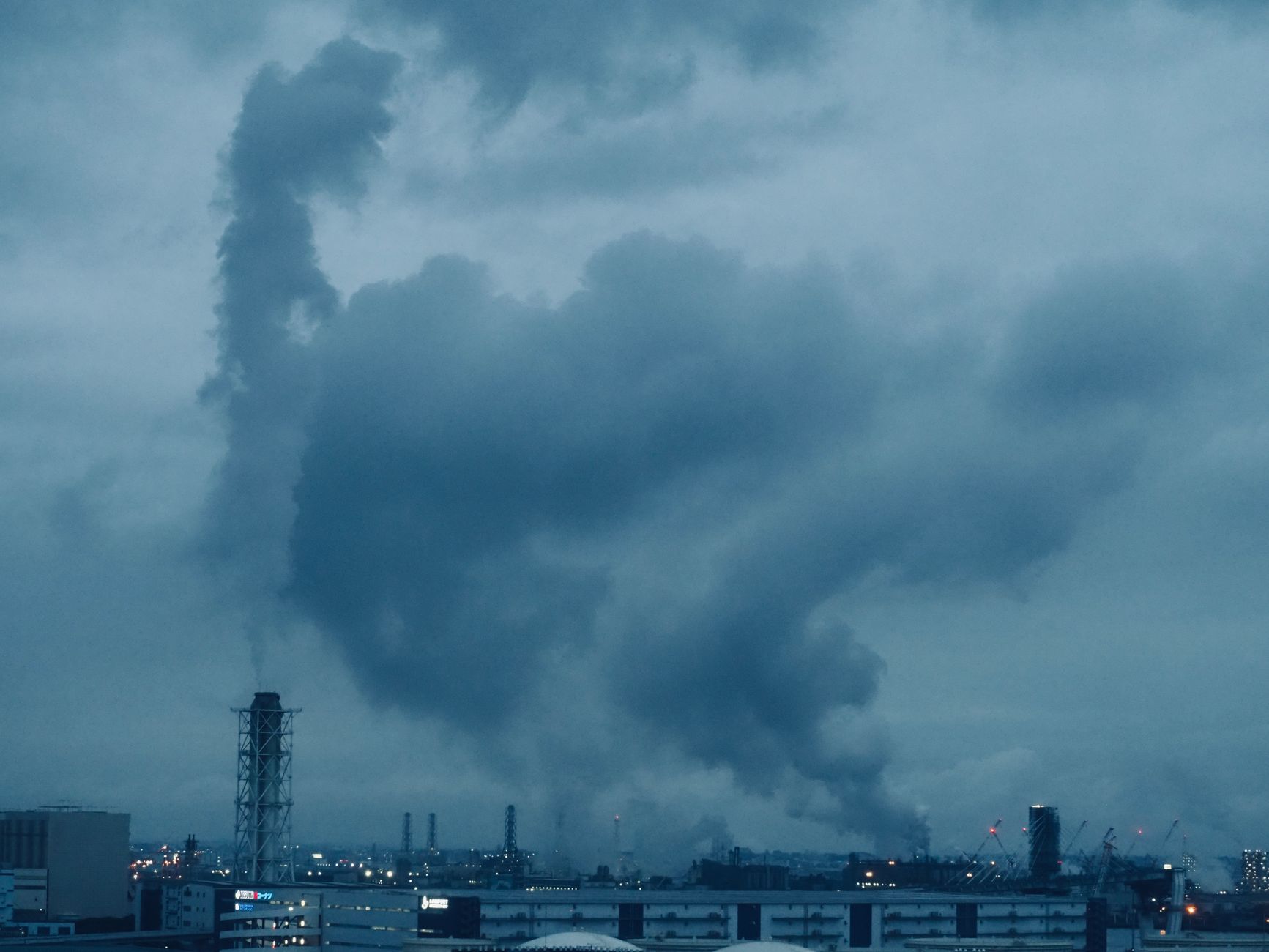
Record-high global temperatures aren't solely caused by the greenhouse gases we usually talk about. A groundbreaking new paper reveals that a significant 15 percent of human-driven global warming comes from lesser-known pollutants, like carbon monoxide and soot. These emissions don't warm the planet directly but trigger atmospheric reactions that create more potent greenhouse gases or make existing ones last longer. Worryingly, these major contributors are not covered by current international climate treaties, highlighting a critical gap in our fight against climate change.
While we often focus on carbon dioxide, new research published in the journal Science points to other emissions playing a surprisingly large role in our warming world. Think of common pollutants like carbon monoxide, certain organic compounds, and black carbon (also known as soot). These aren't directly greenhouse gases themselves, but they kick off a chain reaction in the atmosphere, leading to more heat-trapping gases or extending their stay in the air.
This indirect warming effect accounts for a substantial 15 percent of global warming caused by human activities. To put that in perspective, the collective impact of these overlooked pollutants is greater than almost all the gases currently targeted by international climate agreements like the 1997 Kyoto Protocol. Despite decades of scientific understanding, these contributors have remained outside the official framework for cutting emissions.
Experts, including those involved with the Intergovernmental Panel on Climate Change’s Sixth Assessment Report, believe we now have enough information to act. The good news is that unlike long-lived carbon dioxide, these indirect climate pollutants are relatively short-lived. This means that reducing them could offer a quick way to slow the rate of global warming in the near future, buying us crucial time. Plus, many of these pollutants are already regulated for their harmful effects on human health and air quality, so tackling them offers a dual benefit.
Of course, adding new pollutants to international climate treaties faces political and scientific challenges, as some experts point out. However, the potential to "shave off extra fractions of a degree" of warming, combined with clearer skies, makes addressing these overlooked emissions more important than ever. It's an opportunity to strengthen our collective climate action and uncover new ways to protect our planet.