Beyond El Niño: US Winter Forecast Hides a Warming Secret

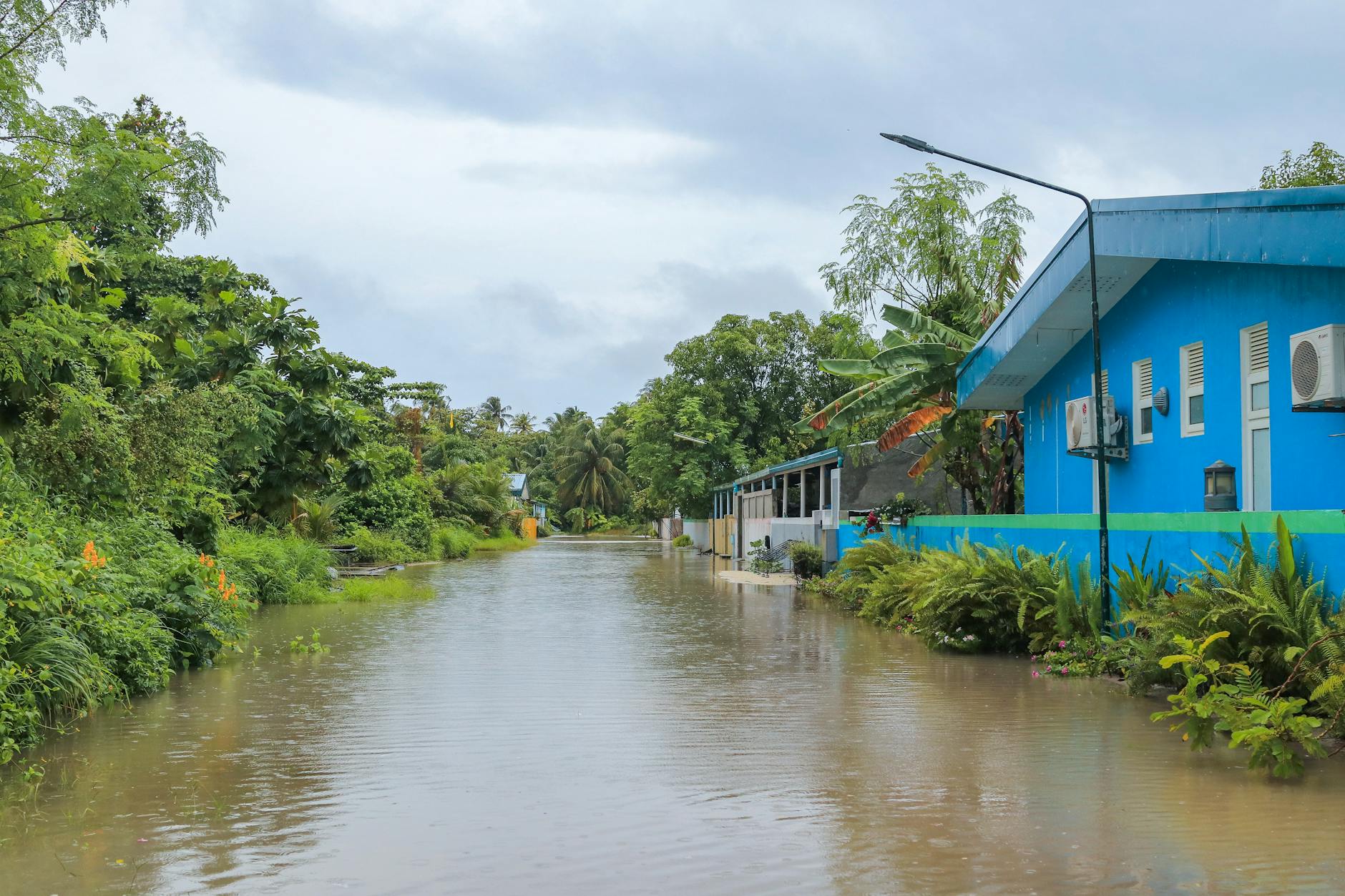
This winter, a powerful "Super El Niño" is set to bring a warmer and wetter forecast to much of the continental U.S., according to the National Oceanic and Atmospheric Administration. This natural climate pattern, originating in the tropical Pacific, is predicted to be one of the strongest on record. Crucially, its effects are being amplified by human-caused climate change, leading to more intense weather phenomena. While it may offer some relief to drought-stricken areas, communities across the nation are urged to prepare for increased risks of coastal flooding, heavy rains, and unpredictable temperature shifts, underscoring the urgency of climate action.
National weather agencies are pointing to a "Super El Niño" that will significantly alter weather patterns across the globe, making this winter warmer and wetter for much of the U.S. While these forecasts are predictions, they provide a vital roadmap for cities to prepare and allocate resources, as earlier and better decisions can save lives, according to Ken Graham, director of NOAA's National Weather Service.
El Niño is a natural climate pattern that begins in the tropical Pacific Ocean when a vast area of water near the equator warms, releasing immense heat into the atmosphere and shifting global weather. This year, meteorologists suggest it could be the strongest on record. However, scientists emphasize that this powerful El Niño is occurring on top of warming temperatures caused by fossil fuel emissions, which trap more heat in our atmosphere. Josh Willis, a climate scientist at NASA's Jet Propulsion Laboratory, describes this combined force as "Godzilla," stressing its immense size and impact, from severe droughts in Southeast Asia to kicking up hurricanes and high tides in the Pacific.
Across the U.S., impacts will vary. The West Coast is expected to be warmer and wetter, especially in Southern California, with increased risk of floods due to rising sea levels from "Kelvin waves." In contrast, the Pacific Northwest will also be warmer but is forecasted to receive less rain, potentially leading to a smaller snowpack and exacerbating drought conditions that increase wildfire risk. Coastal communities there are bracing for severe flooding from the combination of El Niño and winter's high tides, prompting infrastructure repairs.
The Southwest has already seen wetter-than-average conditions and severe flooding, partly attributed to El Niño and a marine heatwave linked to human-caused climate change. Despite the rains, experts caution this will not end the long-term water crisis in the Colorado River basin, where reservoirs like Lake Powell and Lake Mead remain at record low levels. The amount of water needed to truly replenish these systems is difficult to fathom.
On the East Coast, warmer temperatures and above-average precipitation are expected. Studies suggest El Niño can strengthen and increase the frequency of nor'easters, leading to coastal erosion and high-tide flooding. While snow is still possible, as seen during the 2016 blizzard, the overall trend favors milder conditions in the northern U.S. The Southern U.S. has the highest chance for above-average precipitation, even seeing snow in unusual areas, and Florida is bracing for heavy rain and a higher tornado risk, reminiscent of a deadly outbreak during a past intense El Niño.
Meanwhile, the Midwest, particularly the Upper Midwest, is likely to see a smaller snowpack due to warmer temperatures. While parts like Iowa may be wetter, Michigan, Ohio, and Indiana tend to be drier during El Niño winters, and drought conditions are broadly expected to persist or worsen across the region. These regional variations underscore how climate change is intensifying natural patterns, making our weather more extreme and unpredictable, and highlighting the urgent need for collective action to transition to sustainable solutions.