Beyond Melting Ice: The Hidden Force Expanding Our Oceans

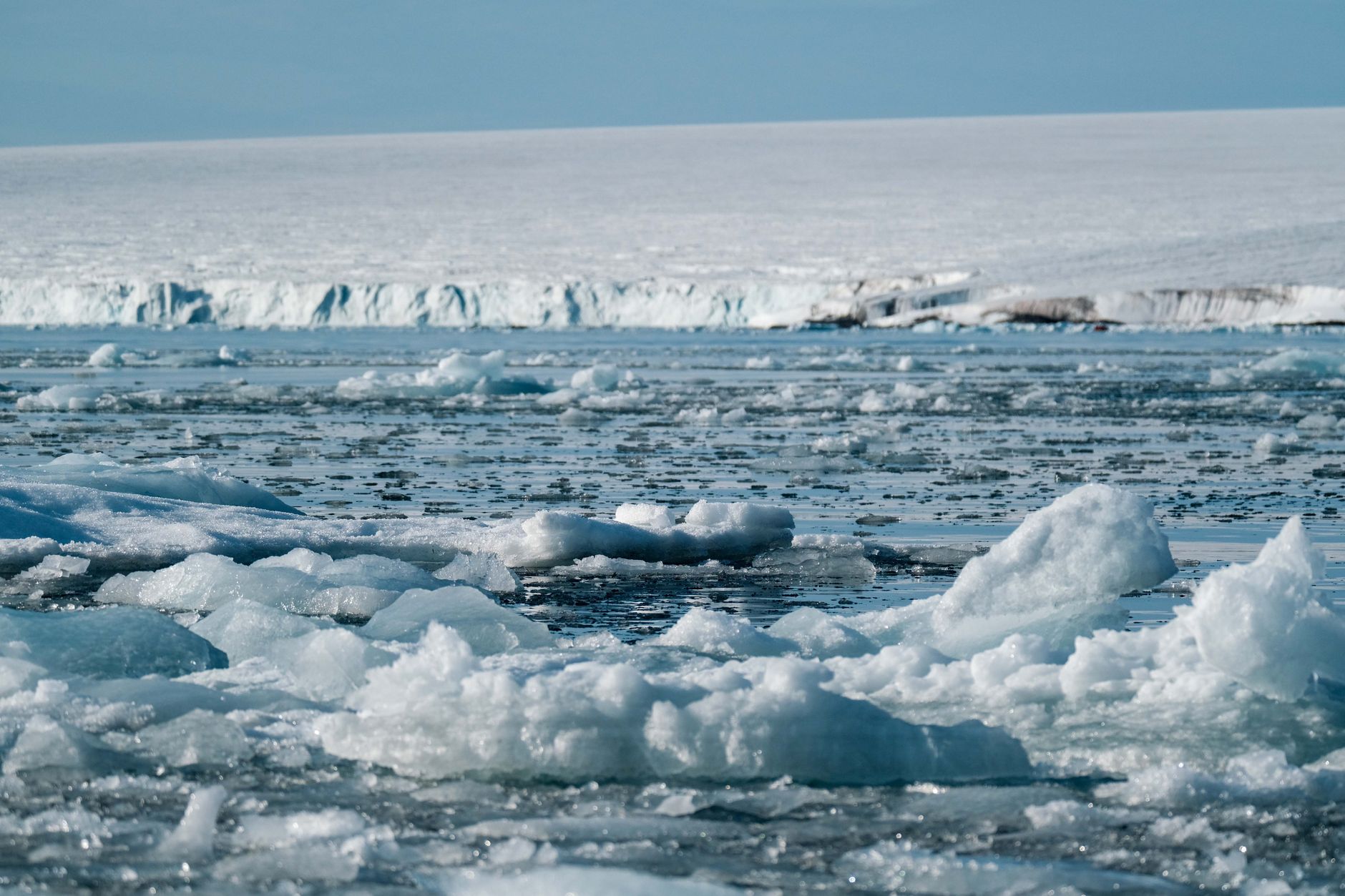
While melting glaciers and ice sheets are a well-known contributor to rising sea levels, a less visible but equally powerful force is at play: the expansion of the ocean's waters. As our planet warms due to climate change, the ocean absorbs a significant amount of this extra heat. This warming causes water molecules to spread out, leading to a phenomenon known as thermal expansion, which pushes sea levels higher and further onto our shores, accelerating coastal impacts.
The ocean’s surface is now about 1.5 degrees Fahrenheit warmer than it was in the 1800s. This isn't just a minor change; when water gets hotter, its molecules move farther apart, causing the water to take up more space. This effect, called thermal expansion, is tiny in a glass of water, but over vast ocean expanses, its impact is enormous.
Over the past three decades, global sea levels have climbed by more than three inches. Scientists estimate that this expansion of warmer water is responsible for a significant portion—between one-third and half—of that increase. This isn't just a future problem; it's already making coastal flooding more frequent in cities like Rockport, Texas, and Norfolk, Virginia.
As we continue to release planet-warming carbon pollution, the ocean keeps getting hotter, expanding faster, and glaciers melt at an increased rate. These combined forces mean sea levels are rising more rapidly, pushing the ocean ever farther inland. Understanding this hidden driver underscores the urgent need for environmental action and a swift transition to sustainable, clean energy solutions to protect our coastlines and communities.