Beyond the Battery: Unveiling Your EV's Core Power Source

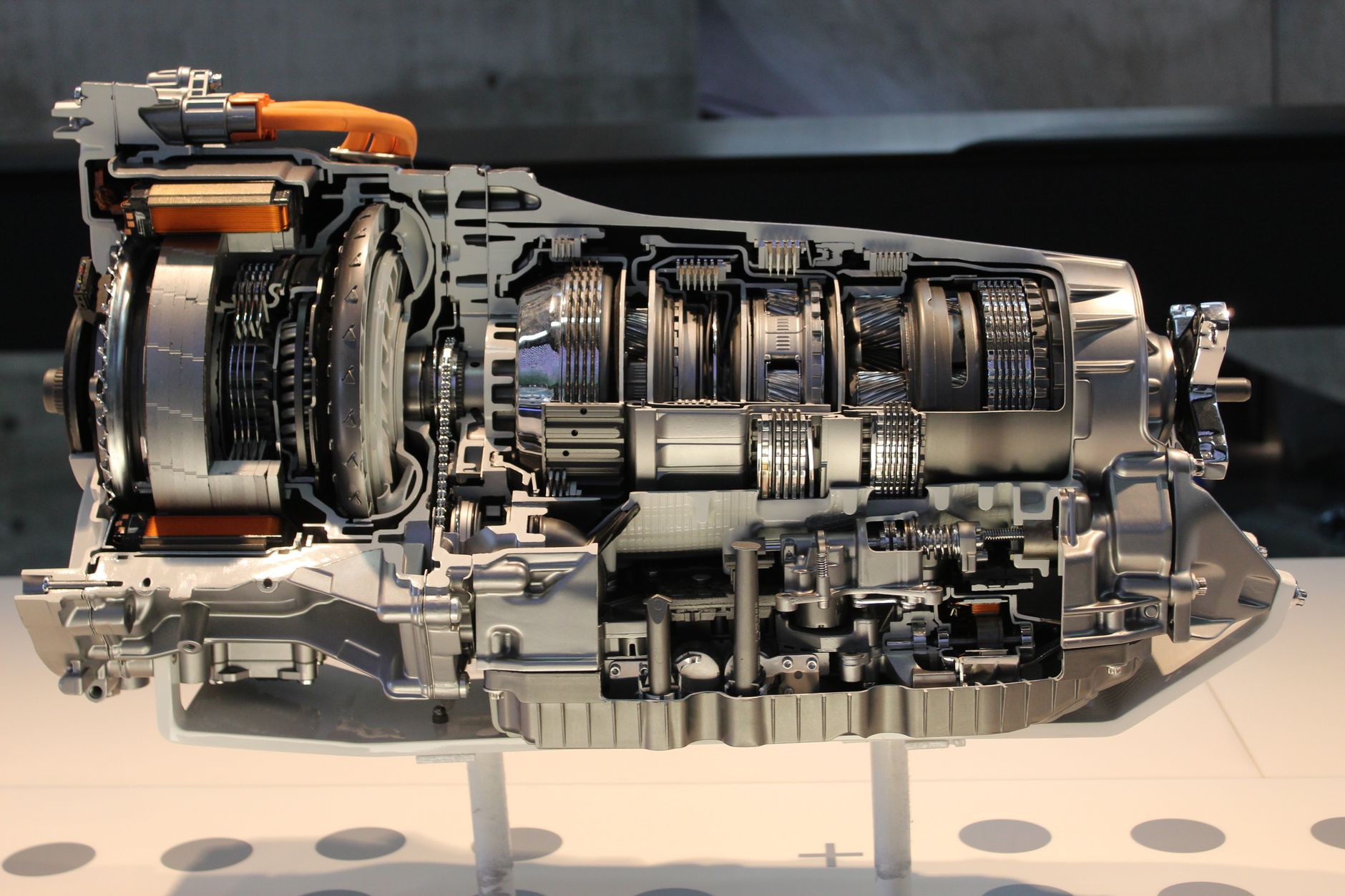
While electric vehicle batteries grab headlines, the motors themselves are equally vital to an EV's performance and efficiency. Automakers are constantly innovating with different motor designs, balancing factors like power, size, cost, and crucially, sustainability. From permanent magnets to induction systems, each type has unique characteristics that influence how efficiently an EV uses energy and its reliance on critical materials. Understanding these differences helps us appreciate the engineering effort behind cleaner transportation and the continuous drive toward more eco-friendly solutions.
Electric vehicles rely on fascinating motors to turn electricity into motion, and their design choices are far more complex than simply 'making wheels turn.' Engineers carefully select different motor types, sometimes even mixing them in the same car, to optimize everything from performance to manufacturing costs and environmental impact. The fundamental difference lies in how the spinning part, called the rotor, generates its magnetic field: either with permanent magnets or by creating magnetism using electricity.
One popular option is the permanent-magnet synchronous motor (PMSM). These motors are known for being highly efficient and powerful for their size because their rotors use strong, built-in magnets. However, these powerful magnets often contain rare earth elements, which can expose manufacturers to sourcing challenges and fluctuating prices. This dependency highlights a critical area for innovation to ensure the long-term sustainability of electric vehicles.
Another common type is the induction motor, sometimes called an asynchronous motor. Instead of permanent magnets, these rotors use conductive bars to generate their magnetic field through induction. This design avoids the need for rare earth magnets, which is a significant environmental advantage. While they might be slightly less efficient than permanent-magnet motors in some scenarios, their robust nature and freedom from rare-earth dependency make them a valuable choice, often paired with permanent-magnet motors in all-wheel-drive EVs to offer both power and sustainable material use.
Then there are electrically excited synchronous motors (EESM). Here, the rotor uses coils powered by electricity to create an adjustable electromagnet. This flexibility allows engineers to fine-tune performance and efficiency across different speeds and loads, further reducing the need for rare earth magnets. While they add a bit more complexity and consume some electricity to power the rotor coils, their ability to deliver power efficiently without relying on critical materials is a compelling benefit for a cleaner automotive future.
Automakers often combine different motor types within a single vehicle, showcasing a smart strategy to balance power, efficiency, and resource considerations. For instance, an EV might use a powerful permanent-magnet motor for its primary drive and an induction motor for secondary axles, which can disengage to reduce drag when not needed. This thoughtful integration underscores the constant push in electrification to maximize energy savings, minimize environmental impact from material sourcing, and ultimately accelerate the transition to sustainable transportation solutions for a healthier planet. Every choice in EV design contributes to a greener tomorrow.