Beyond VAT Cuts: The £70/Month Secret to Home Comfort

As summer heats up with widespread wildfires, many worry about climate change's increasing impact. While new government policies offer a small energy bill reduction and plan for more North Sea drilling, critics argue these steps miss the mark on long-term climate action and resilience. Yet, practical solutions exist. One homeowner's experience shows how targeted home upgrades can significantly cut energy costs and improve comfort, offering a clear path forward amidst growing environmental concerns and public desire for meaningful change.
The summer of 2026 has brought a stark reminder of our changing climate, with wildfires blazing across Europe and even in the UK. Despite these clear signs, recent government announcements seem to overlook the pressing issues of crop failures, water scarcity, and future climate impacts. The proposed VAT reduction on energy bills, while intended to ease financial pressure, offers only a temporary fix and pales in comparison to the long-term benefits of truly adapting to a warming world.
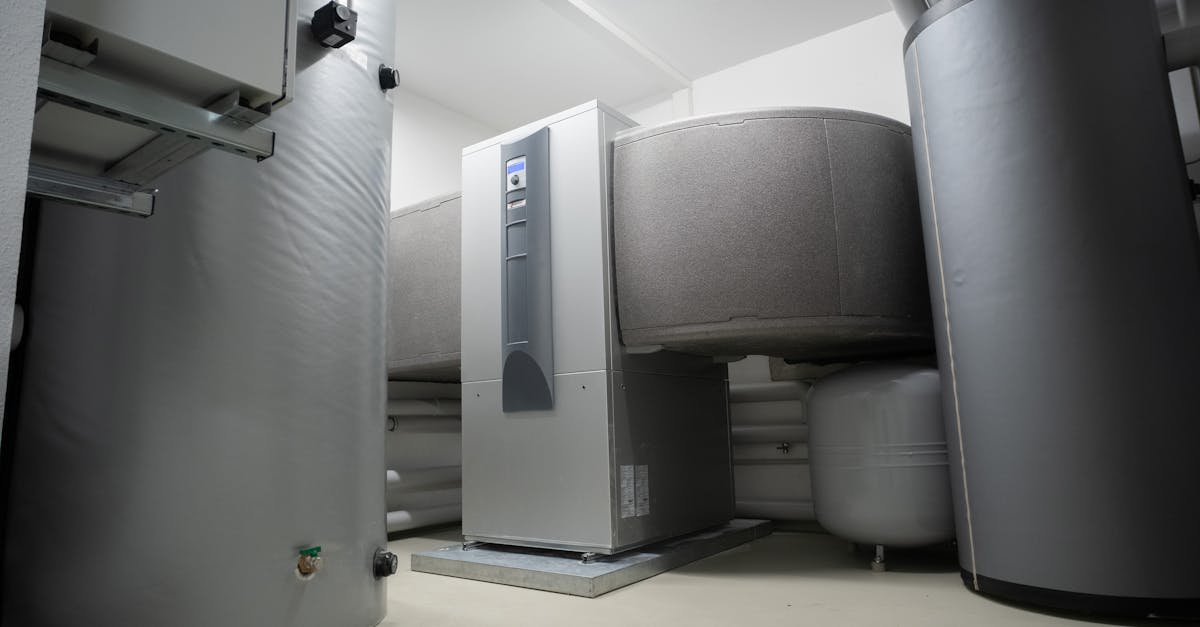
Instead of relying on short-term fixes or outdated energy sources, personal action can make a real difference. One homeowner, facing similar concerns, invested around £14,000 in making their home greener and more resilient. This wasn't just about reducing their carbon footprint; it was about making their living space more comfortable and affordable. Upgrades included loft insulation, better windows, ceiling fans for heat, and a modern heat pump installed when their old boiler failed.
These changes paid off significantly. The house now stays comfortably warm in winter and cool during summer heatwaves. Even better, energy bills have dropped by a substantial £70 a month, far exceeding any government-offered savings. This personal success story highlights a broader truth: focusing on practical, sustainable home improvements directly addresses both climate challenges and financial pressures.
While national discussions often revolve around the abstract concept of 'net zero,' it can sometimes feel distant. Yet, 78 percent of the population is concerned about climate change, according to regular polling from the Department for Energy Security and Net Zero. The real question for many is how to adapt our lives and homes for a changing climate in an affordable way. Investing in solutions like efficient insulation and clean electric heating systems, such as heat pumps, not only improves daily life but also champions the shift away from fossil fuels, proving that environmental action can lead to tangible, immediate benefits. The Climate Change Committee estimates achieving net zero could cost around £26 billion a year, but individual actions, when multiplied, form the bedrock of this essential progress.