BHP's Profit Soars. What's the Catch for Its Net-Zero Promise?

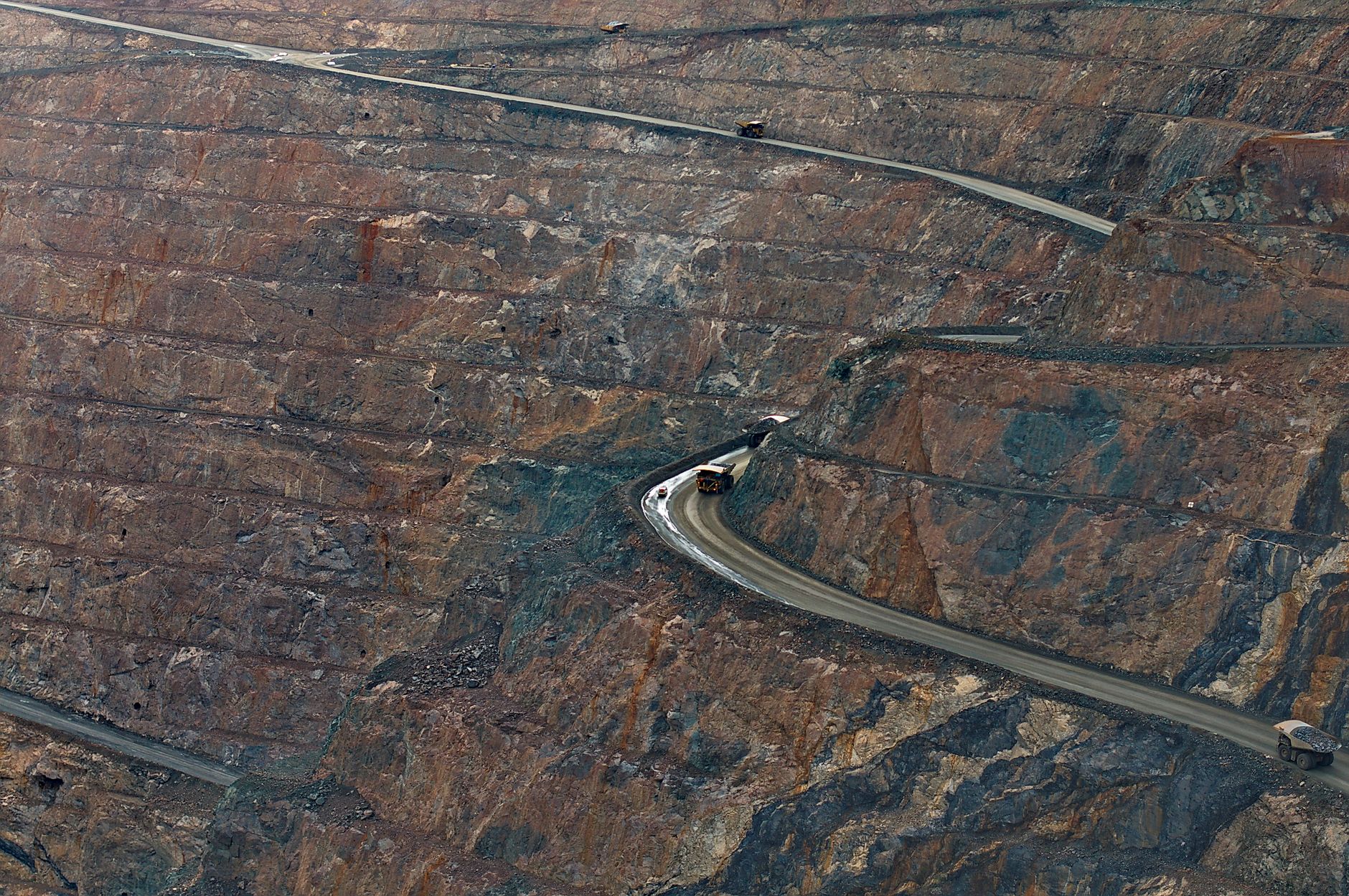
Mining giant BHP recently announced a significant 30% jump in its underlying profit for FY2026, largely powered by surging copper prices. This financial success, however, comes alongside a slight increase in its operational greenhouse gas emissions. While BHP has made strides in cutting emissions since 2020, achieving its ambitious 2050 net-zero target will require substantial efforts to tackle hard-to-eliminate sources. The company anticipates needing up to 5 million carbon credits to offset these remaining emissions, underscoring the complex balance between economic growth and urgent environmental responsibility.
BHP, a leading mining company, recently celebrated a 30% increase in underlying profit for the past fiscal year, reaching US$13.2 billion, as reported by BHP's results for the full year ended 30 June 2026. This impressive growth was largely driven by a strong demand for copper, a key material for the global shift towards cleaner energy. This financial success empowers BHP to invest more in its operations and long-term plans to reduce its environmental footprint.
However, the company's 2026 Annual Report also revealed a slight rise in its operational greenhouse gas emissions by 1% compared to the previous year. While BHP has reduced these emissions by a third since 2020, challenges remain in areas like increased mining activity and dealing with methane from certain operations. These hard-to-eliminate emissions highlight the ongoing struggle for even major industries to fully decarbonize, reinforcing the urgency of climate action.
Looking ahead, BHP aims to achieve net-zero operational emissions by 2050. To meet this ambitious goal, the company estimates it may need to purchase between 3 million and 5 million carbon credits to offset emissions that simply cannot be eliminated through current or emerging technologies. It's important to understand that these credits are intended as a last resort for residual emissions, not a replacement for cutting pollution directly.
A major hurdle is electrifying heavy mining equipment, which currently runs on diesel. While BHP is trialing battery-electric haul trucks and locomotives, widespread adoption isn't expected until after 2030 due to technological and infrastructure challenges. Similarly, effectively capturing methane emissions from open-cut mines remains a complex problem with no proven large-scale solution yet. Investing in such sustainable solutions and accelerating the development of clean technologies is crucial for climate action and achieving a truly electrified future.
The company's commitment to tackling these tough emissions means continued significant investment in the coming years. This situation clearly shows the pressing need for industries to push for innovative electrification and sustainable solutions to overcome existing barriers and collectively work towards a greener future.