Billion-Dollar Alaska Mine Threatens Beloved Wildlife. But Who Owns the Land?

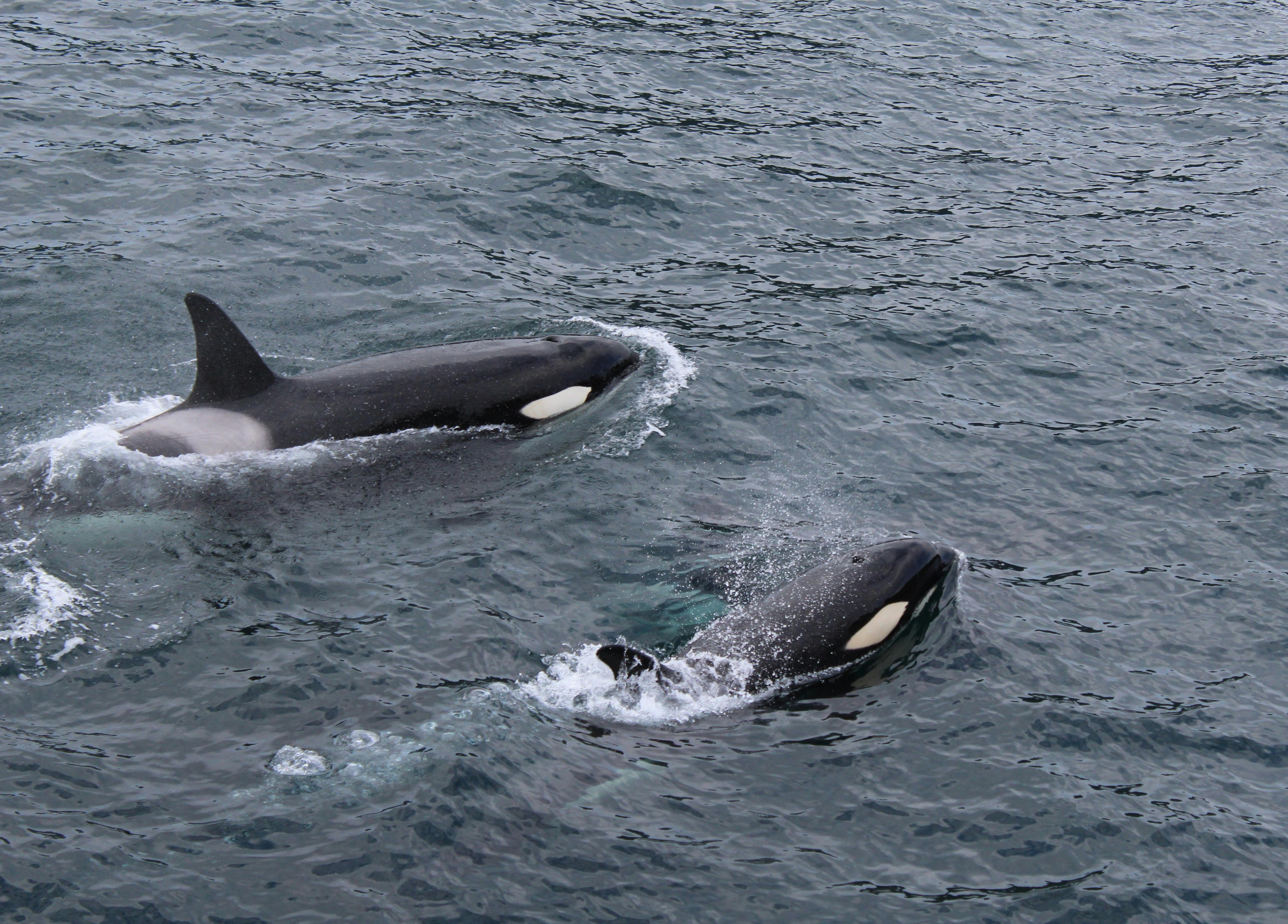
A massive mining project poised to extract billions in gold, copper, and zinc from Alaska's Johnson Tract is igniting fierce opposition. This valuable land, owned by an Indigenous corporation and leased to a mining firm, is nestled within the pristine Lake Clark National Park. Conservationists, local fishermen, and lodge owners are raising alarms about irreversible harm to wildlife, including a critically endangered population of Cook Inlet beluga whales. With permits already advancing, stakeholders warn that the unspoiled wilderness and vital ecosystems face an immediate and devastating threat.
High in a mountain valley on the far west side of Cook Inlet, an unusual plot of land known as the Johnson Tract, fully surrounded by the vast Lake Clark National Park, holds a potential fortune. For decades, geologists have eyed gold, copper, and zinc deposits thought to be worth billions of dollars. Now, amid surging gold prices and rising demand for metals like copper, a prominent Alaska mining company, Contango Ore, Inc., is leasing the tract from its Indigenous owners, Cook Inlet Region, Inc. (CIRI), and the project is rapidly advancing, sparking intense concern.
Conservationists, commercial salmon fishermen, and local lodge owners fear a mine, encircled by the federal protected area, could disrupt crucial salmon harvests and irreparably harm wildlife. Critics specifically point to Tuxedni Bay, a vital winter habitat for an endangered population of beluga whales, where Contango plans to build a shipping terminal. The prospect of trucking ore through a roadless corner of the national park, alongside increased noise and industrial traffic, has already led opponents to sue federal regulators earlier this year over a permit that Contango received for an access road and airstrip.
The conflict reflects a deeper tension between environmental preservation and industrial development, rooted in Alaska’s history. The land is owned by CIRI, one of 12 Indigenous-owned regional corporations created by Congress in 1971 as part of a wider land claims settlement. CIRI acquired the Johnson Tract specifically for its mineral potential through the Cook Inlet Land Exchange, viewing it as "key to the bargain" and essential for generating profits for its nearly 10,000 Indigenous shareholders. Contango, based in Fairbanks, started leasing the land last year, and with gold prices at record highs, is already planning new infrastructure to exploit this "awesome deposit."
Contango’s chief executive, Rick Van Nieuwenhuyse, plans an unconventional development model involving shipping raw ore off-site to avoid some of the more expensive and hard-to-permit components of a typical mine, like a mill and a large waste pond. This approach, he believes, keeps construction costs low and eases permitting, making the Johnson Tract’s close proximity to the ocean attractive despite potentially higher transportation costs. The mine, if built, is preliminarily planned for a seven-year operation, with Contango sharing royalties with CIRI, which also has an option to buy a significant stake.
Commercial fisherman and environmental advocate Dustin Solberg, who fishes for salmon with his family in Tuxedni Bay, fears the proposed mine would "irreversibly change this place." He, along with other fishermen and lodge owners like David Coray and Joanne Edney of Silver Salmon Creek Lodge, worry about a new road, industrial dock, and the constant traffic and noise from trucks and ships marring the wild character of the bay and surrounding national park. The area, home to abundant brown bears and a prolific seabird colony, draws tourists globally for its pristine beauty.
A core concern among opponents centers on the Cook Inlet beluga whales, a genetically distinct and critically endangered population that dwindled to just 330 animals. Federal scientists with the National Oceanic and Atmospheric Administration (NOAA) made a significant discovery last year, identifying Tuxedni Bay as the only known foraging ground for these whales between late fall and late spring. The researchers explicitly warned that human-caused noise is a "key threat" to belugas, which rely on sound for navigation and communication, and industrial activity could severely impact their habitat. Contango is now funding its own beluga survey in a narrower channel, while the project pushes forward.
Advocacy groups, including the Center for Biological Diversity, Cook Inletkeeper, and the Chickaloon Village Traditional Council, have filed a lawsuit against the U.S. Army Corps of Engineers for issuing a key permit to Contango. Cooper Freeman, Alaska director at the Center for Biological Diversity, acknowledges CIRI's mineral rights but emphasizes that federal environmental laws apply. He states that CIRI does not have an "absolute right" to build a mine in an area so "incredibly, biologically, intensively rich and completely intact." Freeman forcefully asserts, "I don’t think there’s any amount of money that’s worth destroying this place." The urgency of the situation is paramount, as the advancing project threatens a truly unique and irreplaceable ecosystem.
CIRI has declined interview requests, stating only that the project "presents an opportunity to responsibly develop mineral resources to benefit our shareholders while respecting the environment and preserving the land." Contango CEO Van Nieuwenhuyse affirms his company's commitment to "minimal impacts to the environment," recognizing its pristine nature. However, for those like Dustin Solberg, who spend summers living and working in Tuxedni Bay, the convergence of these powerful interests is "endlessly fascinating—and really complicated and really unfortunate." He feels compelled to ensure decision-makers have "their eyes wide open" and "realize what is at stake" before this wild slice of Alaska is permanently altered.