Billions Benefit: How Clean Cooking Fuels a Carbon Revolution

The global fight against climate change is gaining momentum with innovative solutions making a real difference. New opportunities for carbon credits are emerging, from enabling clean cooking methods for billions of people to certifying sustainable farming practices in Europe. At the same time, cutting-edge approaches like agrivoltaics are transforming how we produce both food and clean energy, highlighting a hopeful path toward a greener, more resilient future. These developments underscore the urgency of transitioning to sustainable practices and the benefits of collective action.
In a significant move, the UN has approved new rules allowing projects that promote clean cooking to generate carbon credits in the Paris Agreement market. This change is vital for roughly 2.1 billion people who currently rely on polluting methods to cook, offering a way to fund more efficient stoves and cleaner fuels. It’s a powerful step towards reducing harmful emissions and improving lives globally, emphasizing that environmental action can have direct, positive human impact.
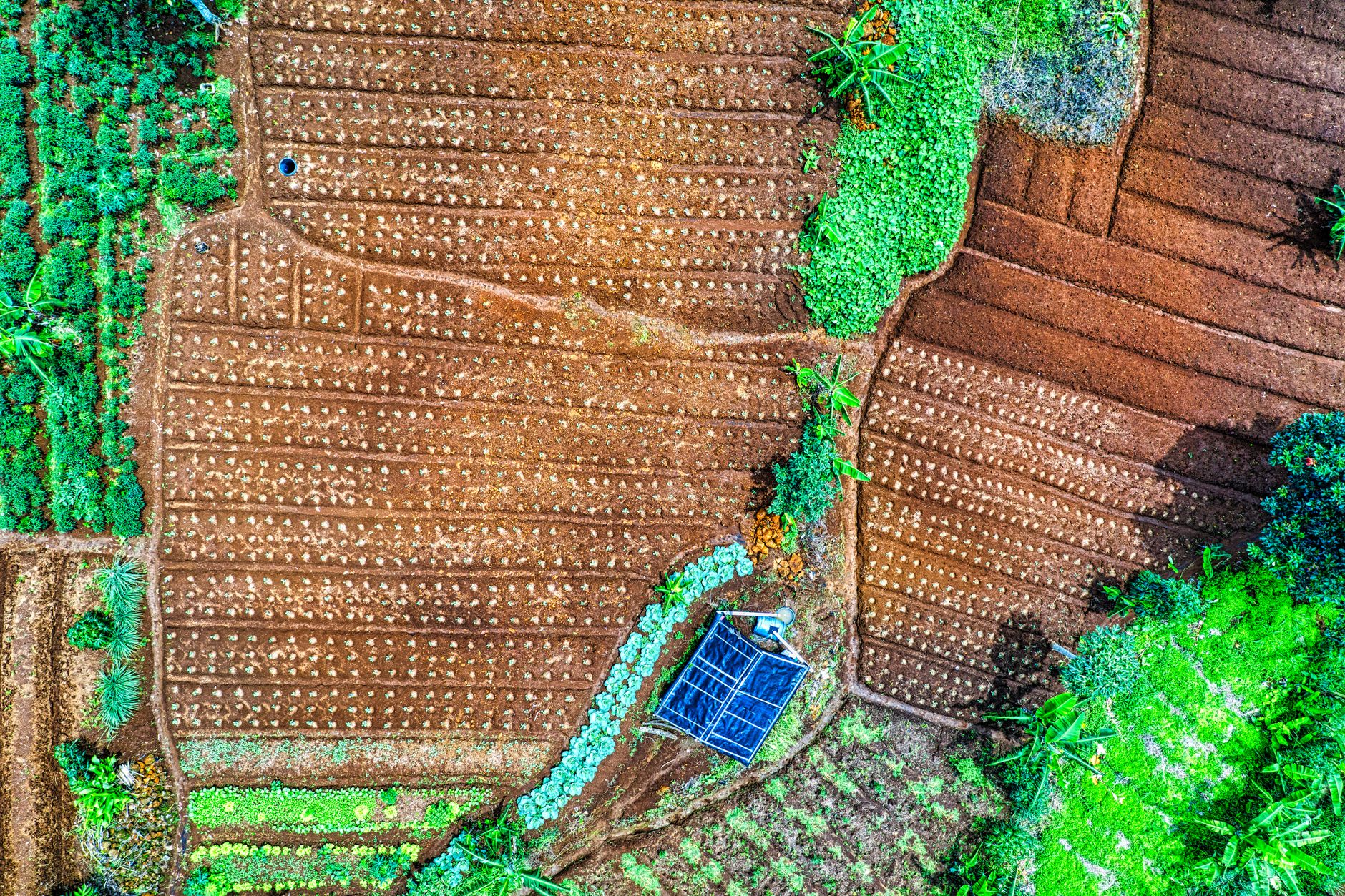
Further bolstering climate efforts, the European Commission has set out clear rules for certifying carbon farming initiatives. These new methodologies cover practices like restoring organic soils and new reforestation projects, ensuring that farmers and forest managers can earn credits for verifiable carbon removal. This not only supports climate goals but also enhances biodiversity, improves climate resilience, and helps secure our food supply.
Meanwhile, a fascinating approach called agrivoltaics, which combines agriculture with solar energy on the same land, is expanding rapidly across Europe, Asia, and the United States. This innovative system allows farmers to diversify their income while producing both food and electricity. Benefits include a smaller carbon footprint, increased energy resilience, and even improved conditions for certain crops under partial shade. Tools like Japan's Co-benefits Calculator are making it easier for communities to understand and adopt these dual-purpose solutions.
The cost of carbon in the EU continues to rise, with CBAM certificates reaching €82.32 per ton of CO₂ equivalent in the third quarter of 2026. This trend highlights the economic incentives for industries to reduce their emissions. Concurrently, sustainability reporting is progressing globally, with companies increasingly disclosing their environmental impact. These developments, along with a powerful message from Norway's Consumer Council about the impact of our consumption choices, remind us of our collective responsibility to the planet.
These initiatives demonstrate that tackling global warming requires a multifaceted approach, blending technological innovation with policy changes and consumer awareness. Embracing electrification and sustainable solutions across all sectors is not just an environmental imperative but an opportunity for a healthier, more prosperous world.