Billions Boost Gas Exports: The Hidden Climate Cost?

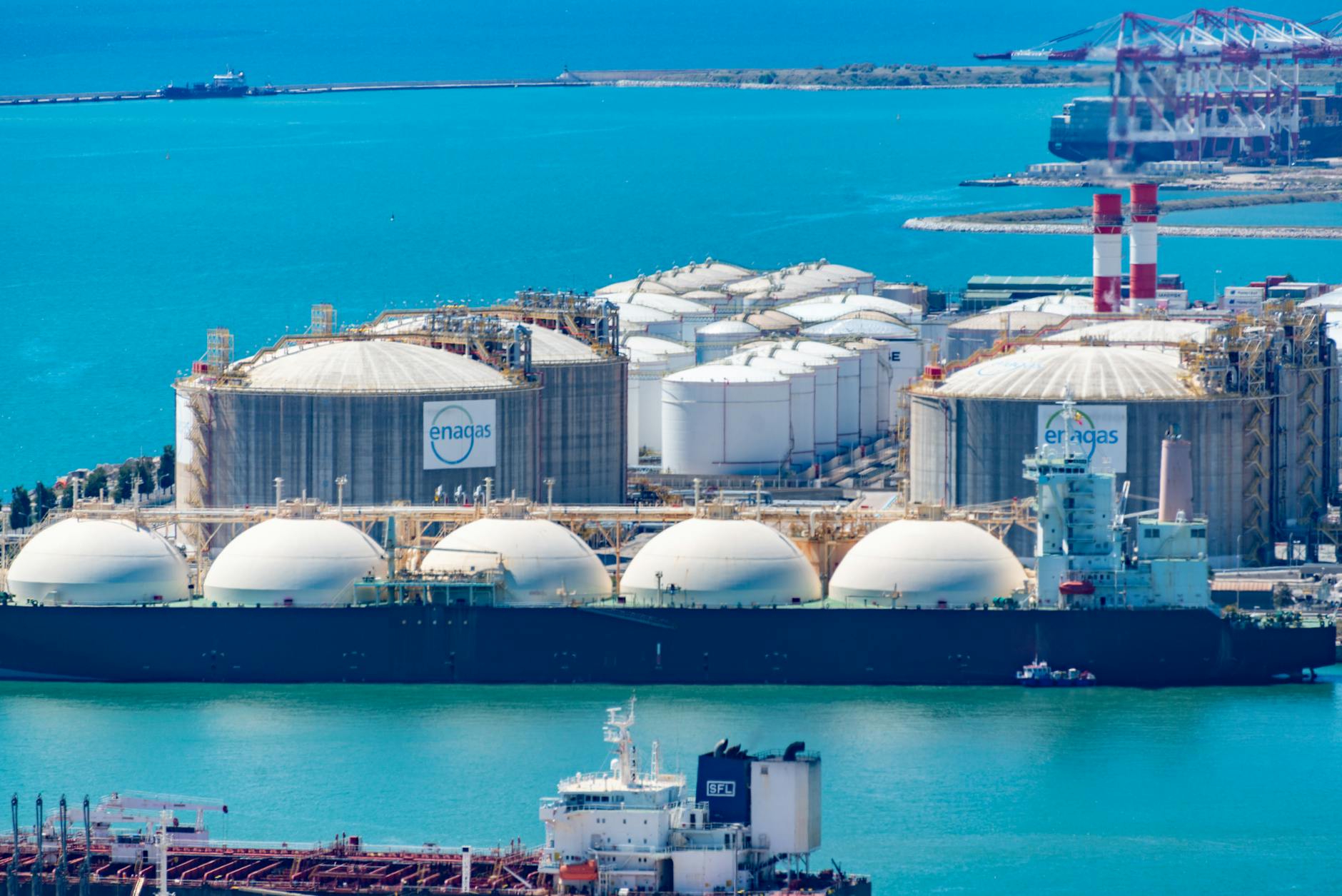
The Trump administration has funneled billions of taxpayer dollars into rapidly expanding American liquefied natural gas (LNG) exports, a move that is reshaping the nation's energy landscape. Over $4 billion in federal funds, alongside tariffs and executive orders, have pushed reluctant projects forward since July 2025. This unprecedented support is directly driving a surge in natural gas production, primarily through fracking, despite growing concerns over its severe environmental consequences. As global warming intensifies, experts warn this expansion will significantly increase greenhouse gas emissions and worsen air pollution, posing a grave threat to our climate future.
The Trump administration has dramatically increased its financial backing for liquefied natural gas (LNG) exports, injecting over $4 billion in taxpayer funds since July 2025. This support, which includes loan guarantees and direct investments, has pushed numerous LNG projects forward. Notably, the Department of the Interior has even struck deals to cancel offshore wind power leases, redirecting significant funds from clean energy into fossil gas initiatives, aiming to make the U.S. a dominant global gas supplier. Projections now show gas exports potentially doubling by 2050, driving a substantial increase in overall gas production.
However, this push comes with a heavy environmental price. Natural gas is primarily methane, a powerful greenhouse gas that escapes into our atmosphere during drilling, piping, and liquefaction processes. LNG terminals themselves consume vast amounts of energy, burning a significant portion of the gas and releasing hundreds of tons of harmful air pollutants into communities in places like Louisiana and Texas. Experts like Talia Calnek-Sugin of the Natural Resources Defense Council warn that this “massive buildout” is extremely damaging for both our climate and public health.
While some argue LNG is cleaner than coal, studies suggest its climate impact might be only moderately less polluting, or even worse, depending on methane leaks. Critically, much of the new LNG demand is expected to displace cleaner alternatives like oil, or, more alarmingly, renewable energy sources. Environmental advocates worry that this strategy could purposefully flood the market, locking developing countries into decades of dependence on gas, diverting crucial investments from sustainable solutions. As the impacts of accelerating climate change continue to fuel deadlier wildfires, heat waves, and storms, prioritizing fossil fuel expansion over clean energy creates a significant setback in our collective fight for a sustainable future.