Billions Saved: What if Nature Held the Key?

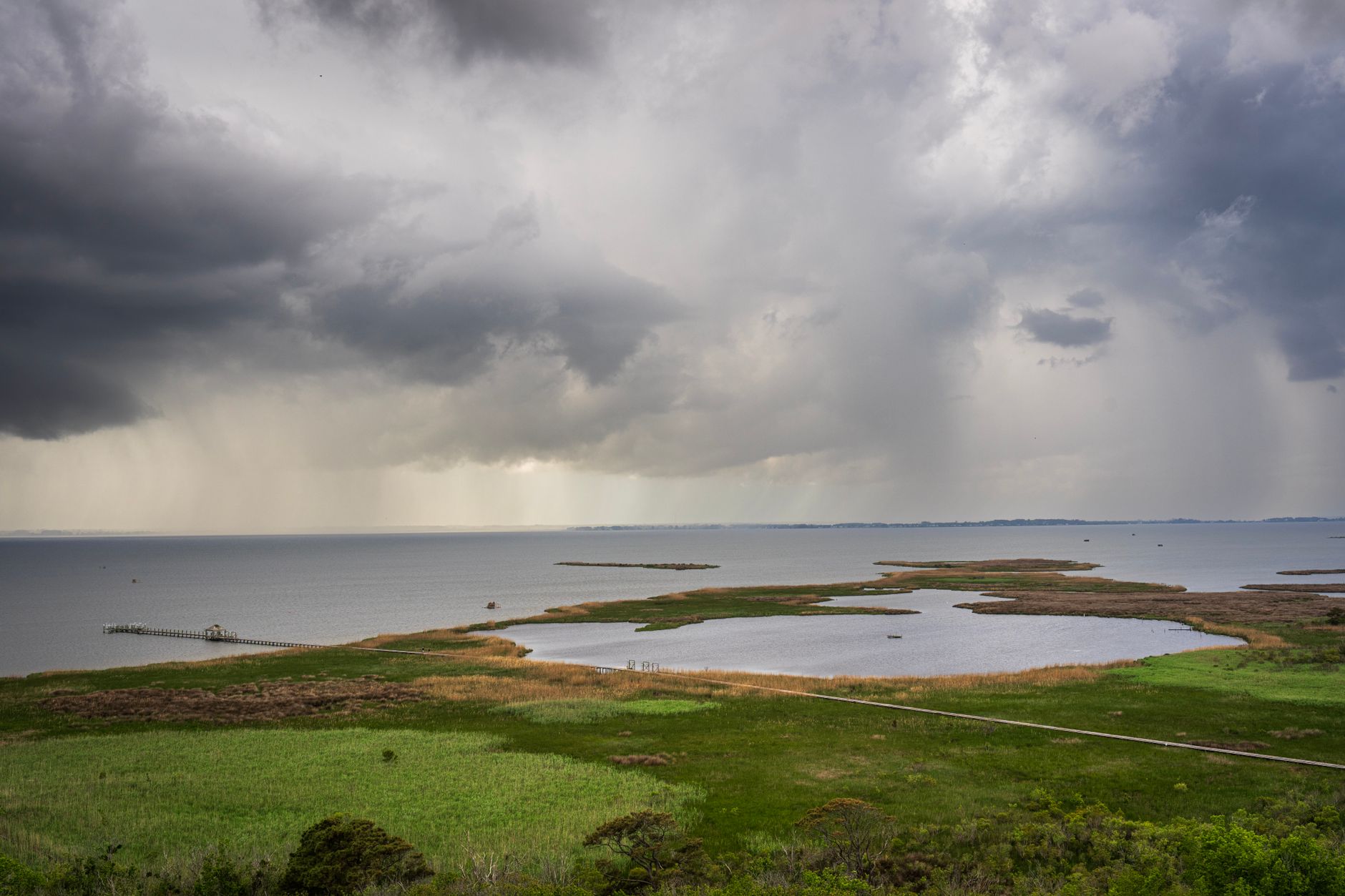
A groundbreaking study reveals that "nature-based" insurance policies could save billions for both insurance companies and policyholders, offering a powerful new strategy against climate risks. Research shows that preserving and restoring natural habitats—like wetlands and healthy forests—can dramatically cut down on damages from disasters such as wildfires and floods. This innovative approach not only lowers costs but also champions essential environmental action, highlighting how healthy ecosystems are crucial for our planet's future in a warming world. It’s a win-win for our communities and the environment.
Coastal ecologist Megan Kelso had an "aha" moment when she realized the insurance industry could become a major partner in conservation. Her new research, published in the journal Nature, outlines how these nature-based policies can benefit everyone involved. The core idea is simple: investing in nature reduces risk, and that reduction should translate into lower insurance costs.
There are two main types of these policies. One involves insuring nature itself, like a policy that pays out to Mexican governments when storms damage coral reefs off the Yucatán peninsula. The other, called resilience insurance, offers lower premiums to property owners who mitigate risks using natural methods—for example, by cultivating wetlands to manage flooding or using prescribed burns to reduce wildfire dangers. This approach recognizes that a healthy environment acts as a natural buffer, saving immense costs when disaster strikes.
Studies already prove the value of these natural defenses. Salt marshes famously blunted Superstorm Sandy’s damages by 15 percent, and natural fire buffers could have cut the financial toll of California’s devastating 2018 Paradise Fire by 21 percent. Kelso’s work provides a blueprint for insurers to integrate these savings into their policies, pass them to customers, and fund new mitigation projects, all while remaining profitable. This could unlock tens of billions of dollars for environmental restoration, making a real difference in the fight against climate change.
We're already seeing this in action. The Tahoe Donner Association in California received a 39 percent lower premium and an 84 percent lower deductible on their wildfire policy after demonstrating historic wildfire mitigation efforts across their 1,000 acres of forest. This success shows that insurers can consider large-scale, nature-based protections. Crucially, the policy allows the homeowners' association to reinvest those savings back into ongoing forestry practices, creating a sustainable loop of risk reduction and conservation.
However, challenges remain. Industry catastrophe models, which calculate risk, are often proprietary "black boxes," making it difficult to openly quantify the exact monetary value of every type of nature-based solution, especially those like wetland flood protection which benefit entire communities rather than just individual properties. Still, legislative efforts in states like Colorado and California are pushing for more transparency and requiring insurers to credit policyholders for risk-reducing measures, urging the industry to adapt.
As our climate continues to change, fostering proactive, nature-based solutions is vital. After a disaster, there's often a rush to rebuild with familiar infrastructure like sea walls, but investing in natural solutions like wetland restoration or dune preservation is often more effective and sustainable in the long run. By linking insurance to environmental health, we can protect our homes, our communities, and our planet, driving essential climate action forward.
What nature-based solutions are most vital in your community, and how do you think we can encourage more investment in them?