Biochar Demand Explodes: What Happens When Supply Can't Keep Up?

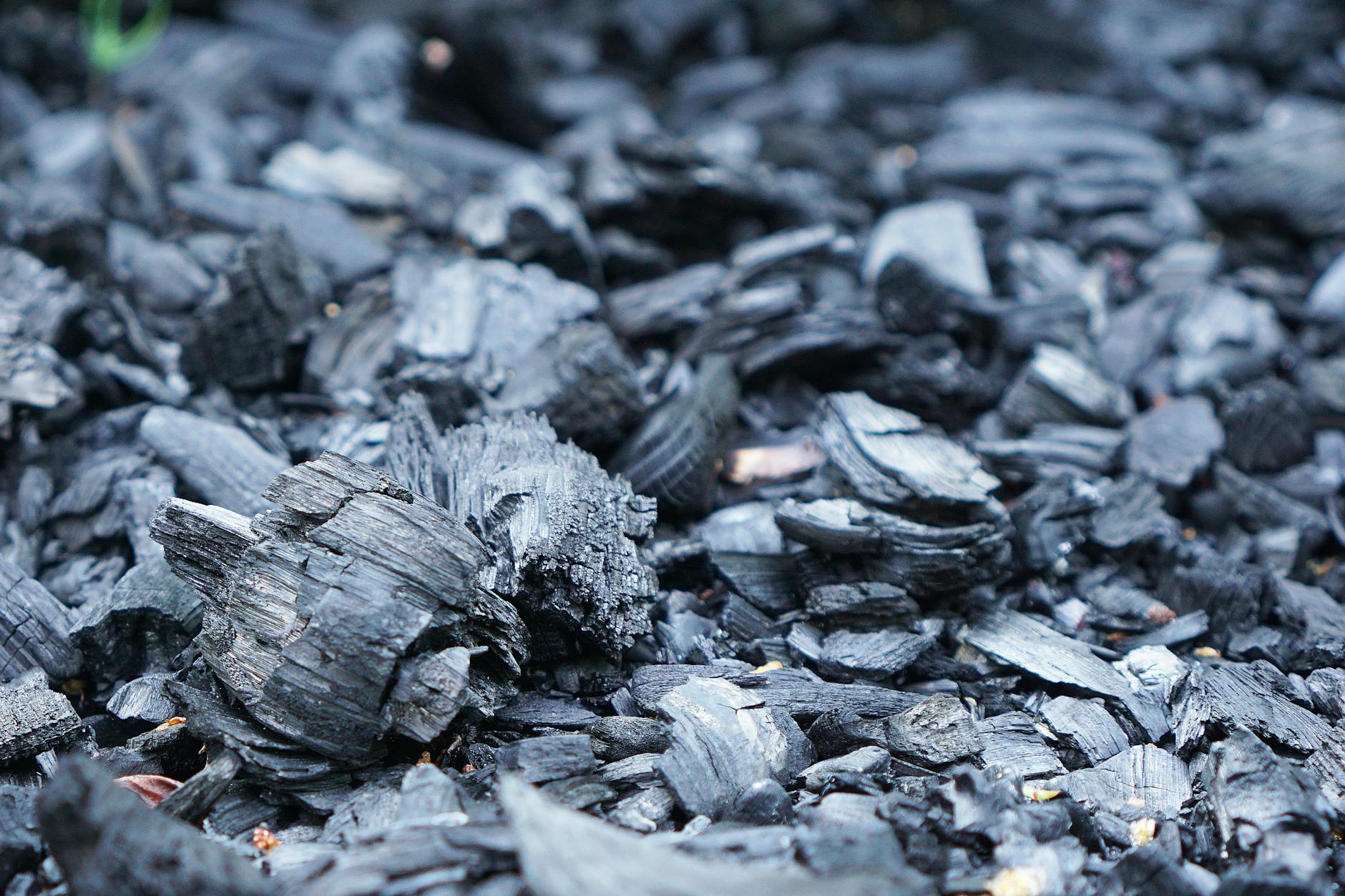
Biochar, a crucial tool for removing carbon from our atmosphere, is experiencing unprecedented demand. A new report from Supercritical reveals that companies are rapidly securing future supplies, leading to a potential shortage of high-quality biochar. This intense competition means many buyers might struggle to find the verifiable, impactful carbon removal solutions they need for their climate goals. The rush highlights biochar's growing importance in the fight against global warming, pushing businesses to act faster to secure sustainable options.
Biochar, a key player in removing carbon from the atmosphere, is seeing demand skyrocket. Sales nearly doubled in the first half of 2026 compared to the previous year, reaching 2.99 million tonnes. However, companies aren't just buying more; they're changing *how* they buy. Instead of waiting for short-term purchases, businesses are now locking in their biochar supply much earlier through long-term agreements. This rapid shift means that 81% of high-quality biochar for 2026 was already claimed by July, much earlier than in previous years, signaling an urgent race for this vital climate solution.
While many biochar projects exist, finding high-quality, verifiable supply is proving difficult. Experts at Supercritical evaluating over 400 projects found only a tiny fraction met strict quality standards. This distinction is crucial because not all biochar genuinely delivers on its carbon removal promise. Some projects might have issues like unexpected methane emissions or fail to offer truly new environmental benefits, making it harder for companies to confidently invest in impactful climate action.
This intense competition for limited high-quality biochar means buyers who wait for the spot market later in the year could face fewer options and potentially higher prices. Traditionally, the end of the year sees a surge in demand as companies finalize their climate commitments. With most supply already secured, this late-year rush could make effective carbon removal even more challenging and expensive, underscoring the urgency for proactive sustainability strategies. For instance, Supercritical reported that a biochar credit from the same project sold for $155 per tonne in July 2025 but reached $185 per tonne by November.
Amidst this, countries like India are emerging as important sources of biochar, turning agricultural waste into a powerful climate tool. The country's biochar market is projected to reach $207.9 million by 2034, growing at a 10.66% annual rate from 2026 to 2034, according to IMARC Group. Projects like Varaha and Ground Up in India are converting materials like cotton stalks and invasive shrubs into biochar, which not only removes carbon but also improves soil health and helps manage waste. This highlights biochar's dual benefit: tackling climate change while supporting sustainable agriculture and local economies.
Ultimately, the challenge isn't just to produce more biochar, but to ensure it's consistently high-quality and reliably delivered. Many projects have previously struggled to meet their promised capacity, which means companies must perform careful checks to ensure their investments truly contribute to a greener future. As the market grows, supporting proven projects that offer robust monitoring and reliable, permanent carbon removal becomes even more critical for global environmental progress.