Blackout Reveals Self-Driving's Weakness. Which Tech Prevailed?

San Francisco recently faced a widespread power outage, creating a unique and challenging test for self-driving vehicles on its streets. While some robotaxis struggled to navigate the pitch-black conditions, causing traffic issues and requiring human intervention, Tesla’s Full Self-Driving (Supervised) system remarkably continued to operate smoothly. This stark contrast highlighted the different approaches to autonomous driving technology. It underscores the critical need for resilient and adaptable electric transportation solutions in our increasingly connected, yet unpredictable, urban environments.
A recent city-wide power outage plunged parts of San Francisco into darkness, presenting an unexpected and crucial test for advanced electric self-driving technologies. With streetlights and traffic signals out, the ability of these vehicles to safely navigate was put to the ultimate challenge. The incident revealed a significant difference in how various systems handled the unforeseen circumstances.
During the blackout, footage shared by the Tesla AI team showed a Tesla Model Y, operating on its Full Self-Driving (Supervised) system, confidently driving through the dark. The vehicle navigated cautiously and effectively, much like an experienced human driver, without needing any remote assistance. Elon Musk highlighted this performance, noting that Tesla Robotaxis were unaffected. This demonstrates the robustness of electric vehicles with a vision-only approach, suggesting they can adapt to challenging conditions and contribute to a more resilient, sustainable transport future.
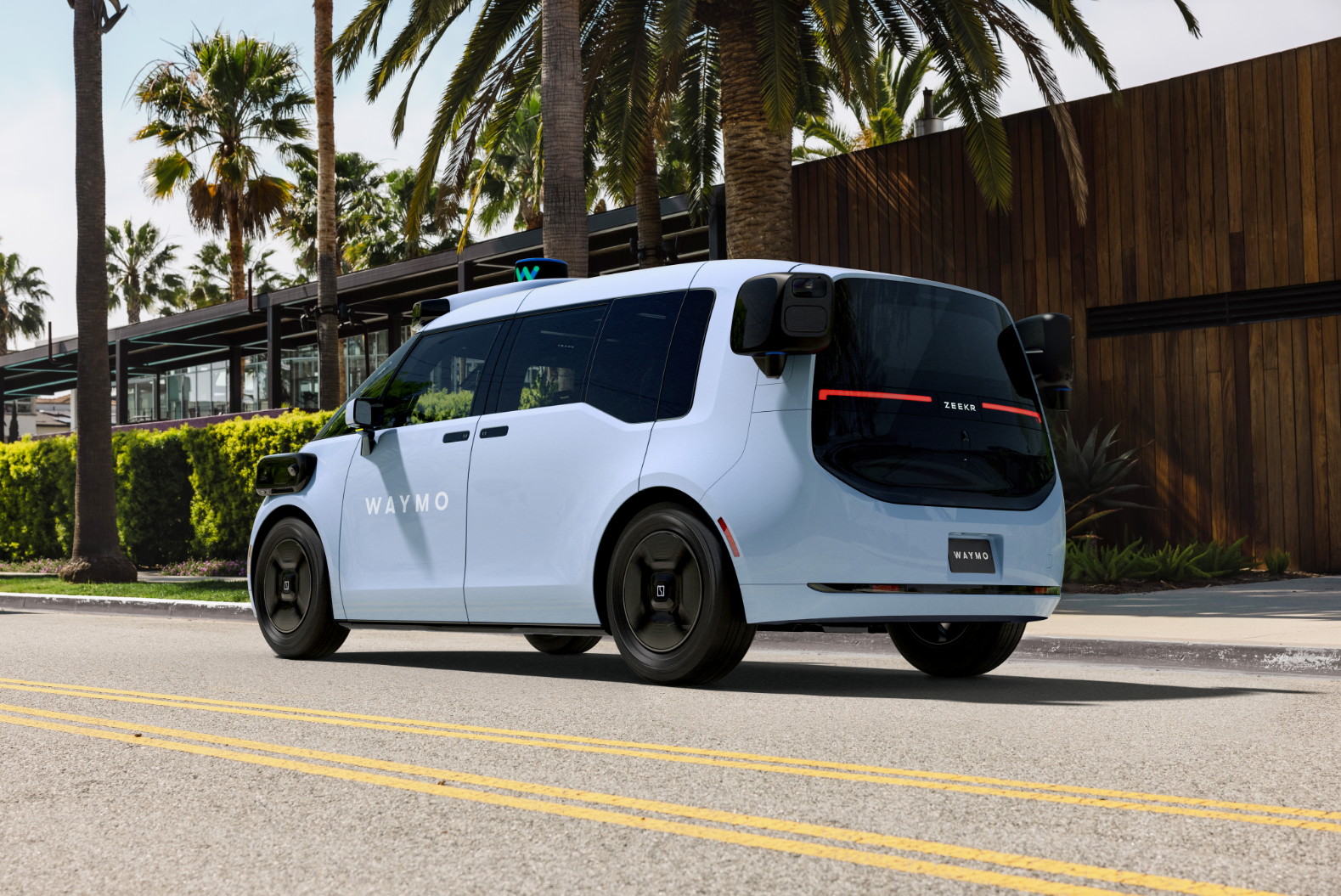
In stark contrast, Waymo's self-driving vehicles faced significant difficulties. Numerous Waymo robotaxis reportedly stalled during the power outage, blocking lanes and contributing to traffic jams, ultimately requiring manual retrieval. Videos depicted these vehicles stopping in the middle of roads, seemingly disoriented by the lack of illumination. Waymo acknowledged the challenges, stating that while their vehicles are programmed to treat non-functional signals as four-way stops, the sheer scale of the outage led to prolonged stops at affected intersections. This incident emphasizes that while electric self-driving solutions offer incredible promise for sustainable urban mobility, their underlying technology must be dependable and adaptable in all situations to truly transform our transportation systems.