Bloody Tradition: What's Next for Faroe Islands' Dolphin Hunts?

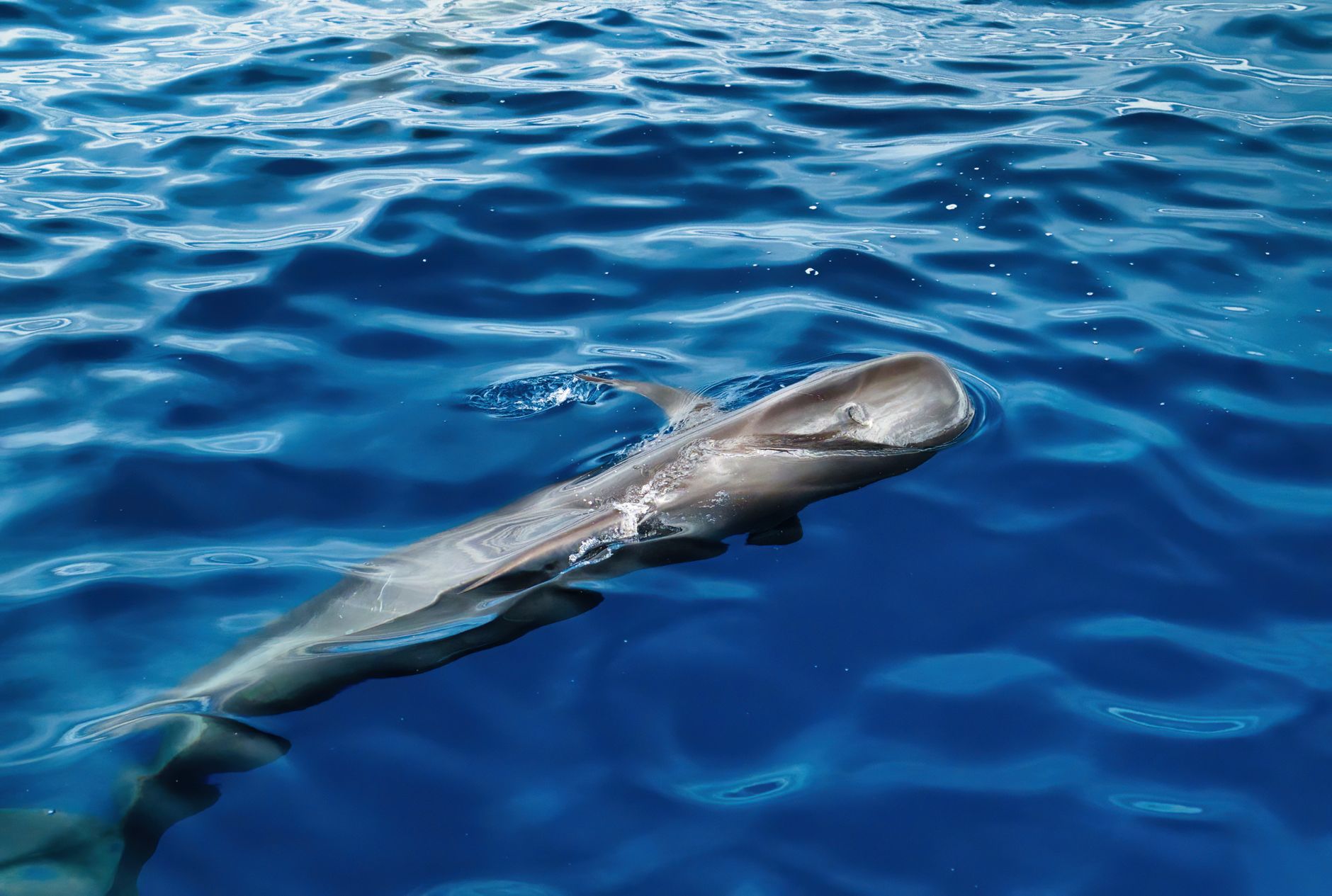
A recent mass killing saw over 700 pilot whales and dolphins brutally slaughtered in the Faroe Islands, igniting renewed international condemnation. These centuries-old hunts, known as the grindadráp, are defended by locals as cultural heritage but increasingly face scrutiny over animal welfare and health risks. Conservationists argue that in a changing world, this practice is unsustainable and unnecessary, posing a significant challenge to marine conservation efforts and the health of our oceans.
On May 27, a horrific event unfolded off the coast of Tórshavn, Faroe Islands. A massive pod of over 400 pilot whales, along with two pods of Atlantic white-sided dolphins, were driven into shallow bays. There, hundreds of people awaited to kill them, turning the water red with blood. While some used specialized tools to sever spinal cords, many animals were reportedly killed with knives alone, leading to prolonged suffering, as witnessed by a volunteer photographer from Sea Shepherd.
This method of hunting, known as the grindadráp or "the grind," has been a tradition in the Faroe Islands for centuries. When a pod of whales or dolphins is spotted close to shore, boats herd them into designated bays where they are then killed. The meat and blubber are distributed locally.
However, what was once a crucial lifeline for isolated island communities is now seen by many as outdated and cruel. Animal rights and ocean conservation groups, including Sea Shepherd through their "Operation Living Fjords" campaign and the broader Stop the Grind coalition, have criticized these hunts for decades. They highlight the immense pain, fear, and panic experienced by these highly social and intelligent animals during the chase and slaughter, as detailed in a recent scientific paper in Biology Letters.
Adding to the controversy, the Faroese parliament recently removed hunting activities, including the grind, from the scope of their Animal Welfare Act. This change occurred just before the May mass killing, raising concerns among activists like Sea Shepherd's Valentina Crast, who believes it aims to shield hunters from accountability for welfare breaches. While the government asserts other laws regulate the grind, critics argue these provide minimal oversight.
Beyond animal welfare, there are significant health and ecological concerns. Local Faroese health authorities have warned for decades about high mercury levels in pilot whale meat and blubber, linking consumption to neurological disorders and other serious health issues, particularly for pregnant women and children, as documented in studies like one published on PMC PubMed Central.
Ecologically, while the Faroese government maintains the hunts are sustainable, scientists like Frants Havmand Jensen from Aarhus University question the long-term impacts. With oceans already changing due to climate change and overfishing, the availability of deep-sea squid—a primary food source for pilot whales—is being affected. This makes the continued killing of hundreds of dolphins each year a risky proposition for the stability of marine ecosystems.
Advocacy groups are now pressing European lawmakers and the international community to hold the Faroese government accountable. They call for clear country-of-origin labeling on Faroese seafood exports, which constitute over 90% of the territory's trade, as outlined by the Faroese government. This would empower consumers to make informed choices. Ultimately, many believe that genuine change must also come from within the Faroe Islands, as residents like Jakub Pingley Mortensen, who once participated in the grind, are now speaking out for a more humane future for marine life.