Boyle Heights' Stench: Cleanup Could Cost Millions. Why?

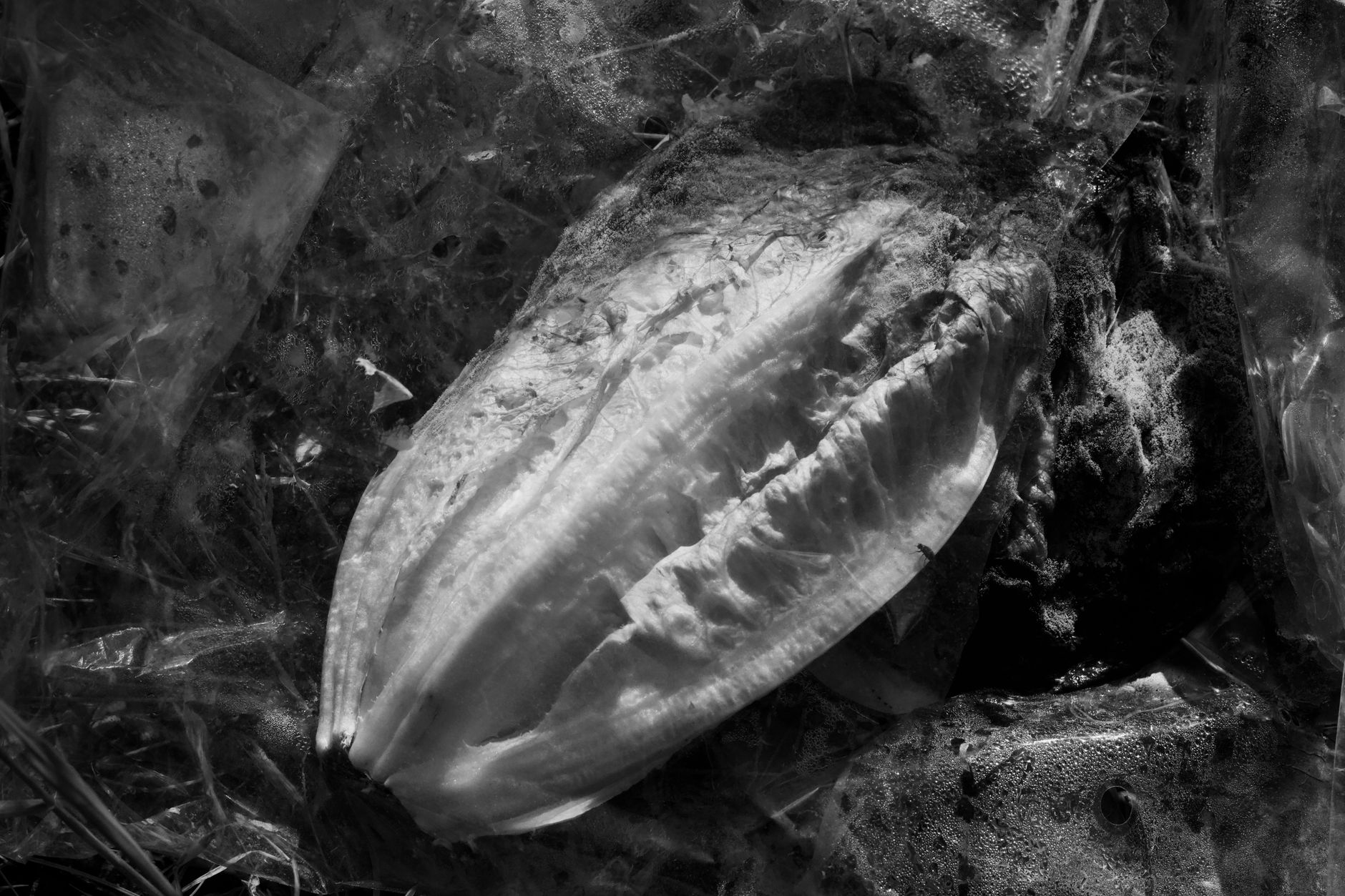
Residents of Boyle Heights are grappling with a severe public health crisis following a warehouse fire, leaving behind millions of pounds of rotting food. The operator, Lineage, estimates a cleanup cost of up to $100 million, while facing intense pressure from air quality regulators and the community. Thousands of odor complaints and numerous violations highlight the urgency of the situation, as local leaders and residents demand immediate and comprehensive action to protect public health and the environment.
Since the Lineage cold storage warehouse fire on June 17, the Boyle Heights community has been living under a foul cloud of stench from decaying meat. The South Coast Air Quality Management District (AQMD) has logged over 4,000 odor complaints and issued more than 20 public nuisance violations to Lineage.
Now, regulators are pushing for strict new measures, including the weekly removal of 8.8 million pounds of food waste, the use of an odor-neutralizing mist, and a public notification system for residents. This comes as Lineage states it expects to spend between $80 million and $100 million on the cleanup, claiming the work is about 80% complete.
The situation has been called a “public health catastrophe” by Tiff Sanchez from East Yard Communities for Environmental Justice. Many residents, like 16-year-old Bella Hernandez, report sickness, burning eyes and lungs, and an inability to go outside or sleep properly. Los Angeles Mayor Karen Bass echoed these concerns, emphasizing that the community faces “a public health crisis that requires urgent and actionable measures,” especially with students returning to school amid ongoing pest infestations.
Lineage has deployed odor-control systems and traps, hauling the 88 million pounds of spoiled food and debris to various landfills. However, residents are united in demanding not just a temporary fix, but permanent accountability and a swift resolution to ensure clean air and a safe environment for their families. The ongoing environmental impact and the clear health risks make this an urgent matter for community action and regulatory oversight by the South Coast Air Quality Management District.