Brands Are Betting on THIS Unexpected Trend to Win Gen Z

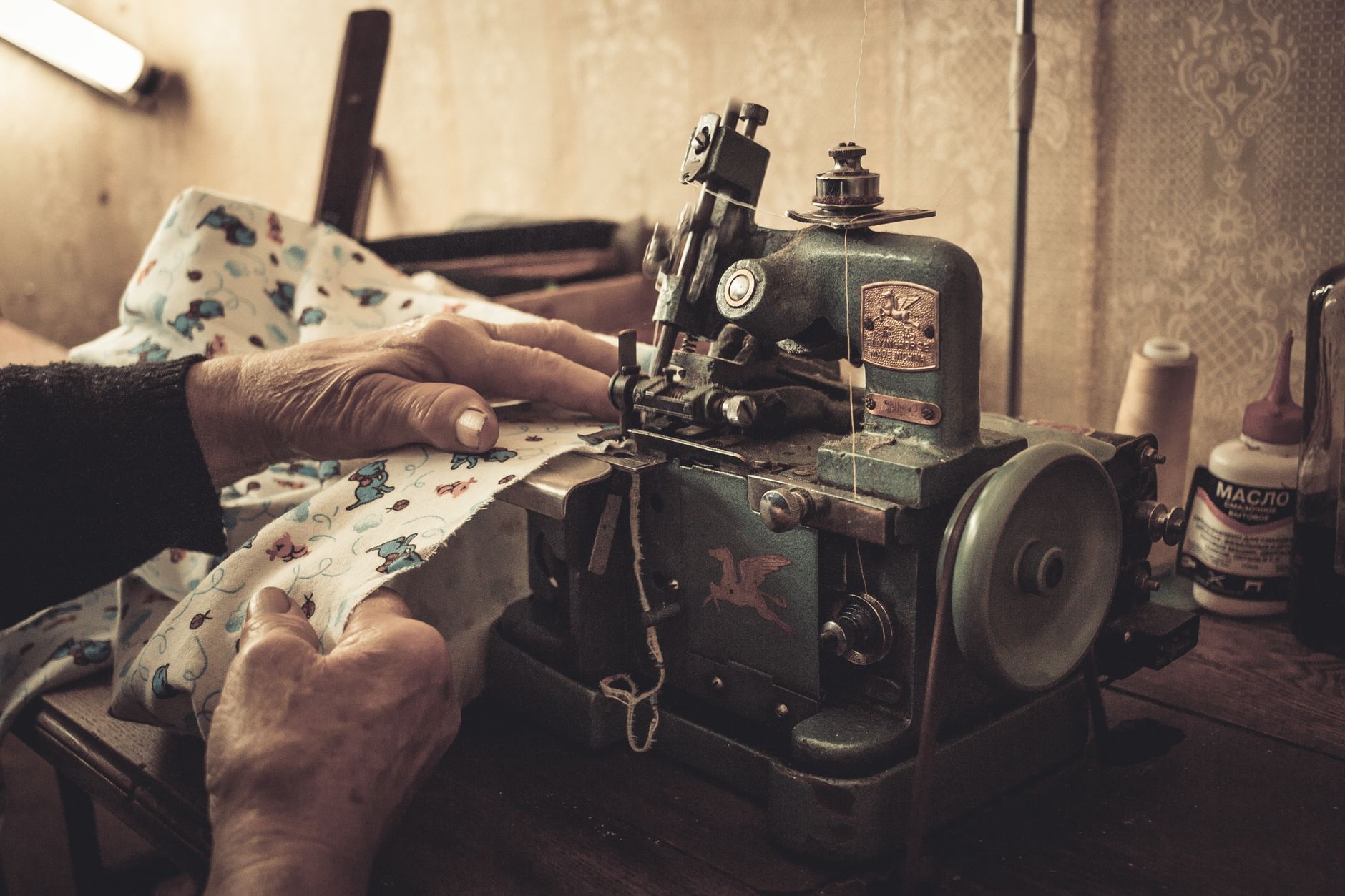
Major fashion brands are embracing a surprising strategy to attract Generation Z: encouraging customers to mend their clothes instead of constantly buying new ones. This shift, seen at companies like Levi's, Uniqlo, and Zara, involves offering in-store repairs and sewing workshops. It's a response to Gen Z's desire to save money and reduce their environmental impact, addressing the fashion industry's huge contribution to global textile waste. By extending the life of garments, these programs aim to reduce consumption and promote a more sustainable approach to fashion.
What might seem like a counter-intuitive business move – teaching customers to fix their old clothes – is fast becoming a core strategy for leading apparel brands. Companies are realizing that young consumers, particularly Gen Z, are increasingly prioritizing sustainability and thrift over constant new purchases. This demographic, shaped by economic shifts and a growing awareness of environmental issues, wants to make their clothes last longer.
Brands such as Levi Strauss & Co. are launching initiatives like the Wear Longer program, teaching essential mending skills to high school students and offering repair services worldwide. This empowers customers like Chloe Halprin, 25, who now actively mends and reuses clothing to reduce her carbon footprint and avoid waste. This individual action highlights a collective desire for change.
The fashion industry faces immense pressure to clean up its act, as textile waste is a staggering problem. The United Nations Environment Program estimates the world generates enough fabric waste to fill a garbage truck every second. While mending and reselling clothes can reduce a garment's environmental impact, especially by delaying new purchases, experts caution these efforts are still small compared to the sheer volume of new clothing production, which doubled between 2000 and 2015.
Yet, the movement is growing. Zara, Primark, and Uniqlo are expanding repair and education programs globally. Uniqlo, for instance, offers extensive aftercare services in many of its stores, promoting a longer product life cycle and strengthening customer connection. These initiatives are not just about sales; they're about fostering a more sustainable relationship between people and their wardrobes.
However, challenges remain, especially the economics. Repairing is labor-intensive and often costs more than manufacturing new items. Companies like H&M Group are advocating for government tax incentives to make repairs and secondhand sales more profitable. Despite skepticism about the ultimate environmental impact given the industry's overproduction, the trend signifies a crucial step towards valuing longevity over disposability. It underscores the urgent need for systemic changes to protect our planet, encouraging both brands and consumers to embrace a more circular, less wasteful future.