Brazil's 'endless' water supply faces an unexpected threat

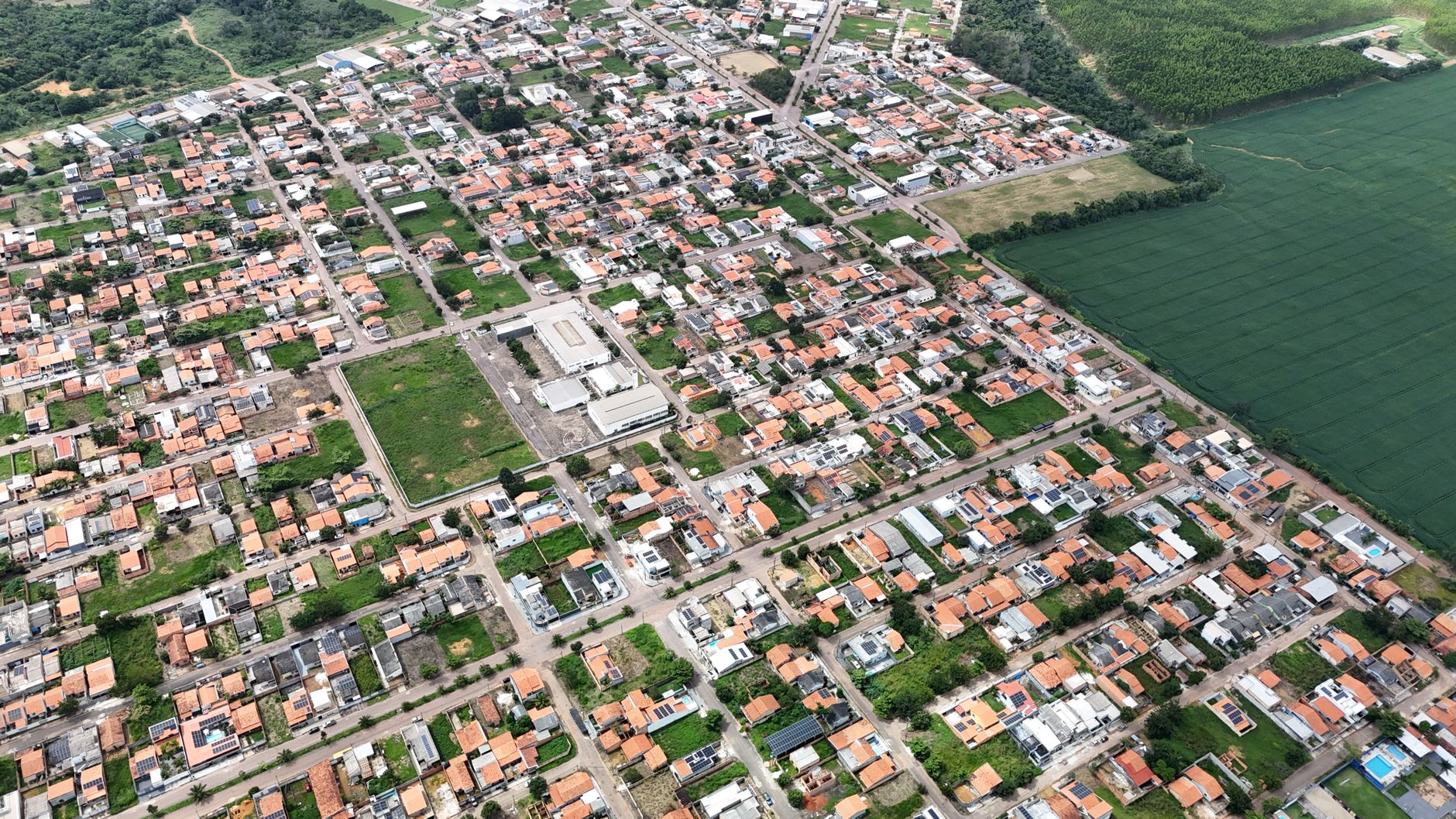
Brazil, known for its vast freshwater resources, is quietly facing increasing pressure on its critical groundwater supplies. A recent study reveals that expanding agriculture, population growth, and a changing climate are significantly impacting underground water reserves, particularly in central Brazil. This depletion challenges the country's long-held confidence in abundant water, signaling a deeper vulnerability that could lead to future water insecurity. Protecting these unseen reserves is crucial for environmental stability and the nation's future.
Brazil, a nation celebrated for its vast water resources, is now facing a quiet but growing crisis with its underground water supplies. New research reveals that increasing demand from population growth and expanding agriculture, combined with a changing climate, is putting immense pressure on these vital reserves. Areas in central Brazil, like the Cerrado and major river basins, show significant declines, largely due to extensive farming practices severe groundwater losses. This challenges Brazil’s traditional confidence in endless water and highlights a serious environmental vulnerability.
The problem is made worse by deforestation. Native vegetation, especially in critical areas like the Cerrado, acts as a natural sponge, allowing rainwater to gradually seep into the ground and replenish aquifers. However, clearing millions of acres for soy fields and cattle pastures prevents this essential natural process. This loss of natural cover makes it harder for groundwater systems to recover, especially during droughts, underscoring the critical link between healthy ecosystems and sustainable water.
Climate change is intensifying these issues. Regions such as the São Francisco basin are experiencing severe groundwater depletion due to heavy water use, prolonged droughts droughts driven, and altered rainfall. Even the Amazon and the Pantanal, known for their abundant water, show signs of increased variability and stress. In the Pantanal, declining groundwater is connected to drought, land-use changes, and intense fire seasons, which further degrade the land's ability to absorb water effects.
Beyond farming, industrial activities like mining also threaten water security. For example, a large potash project in Autazes, led by Potássio do Brasil, has raised concerns from scientists and Indigenous communities about its potential impact on groundwater and wetlands project Potássio do Brasil Indigenous organisations. These examples demonstrate how human actions can alter crucial water systems far beyond their immediate sites, highlighting a global pattern seen in places like the Dead Sea Dead Sea.
Brazil's water challenge is evolving from simple abundance to managing increasing variability and extremes. The key takeaway is that even vast resources have limits, and groundwater, being out of sight, often goes unnoticed until problems become severe. This underscores the urgent need to use scientific findings to shape policy and long-term water management. Safeguarding these vital underground reserves, alongside rivers and forests, is essential for Brazil’s environmental future and water security in a changing world.