Brazil's Green Agenda: Unseen Hands Shaping Its Future?

Brazil's environmental agenda is increasingly shaped by a complex, interconnected network of government, corporations, and non-profits. While these collaborations aim for sustainable development, they raise crucial questions about genuine accountability, especially as major players in beef and oil production exert significant influence. With ongoing deforestation and massive emissions from agriculture threatening vital ecosystems like the Amazon, understanding who defines "green" solutions is more urgent than ever. Critics worry that this consensus might inadvertently prioritize agricultural growth over robust environmental protection.
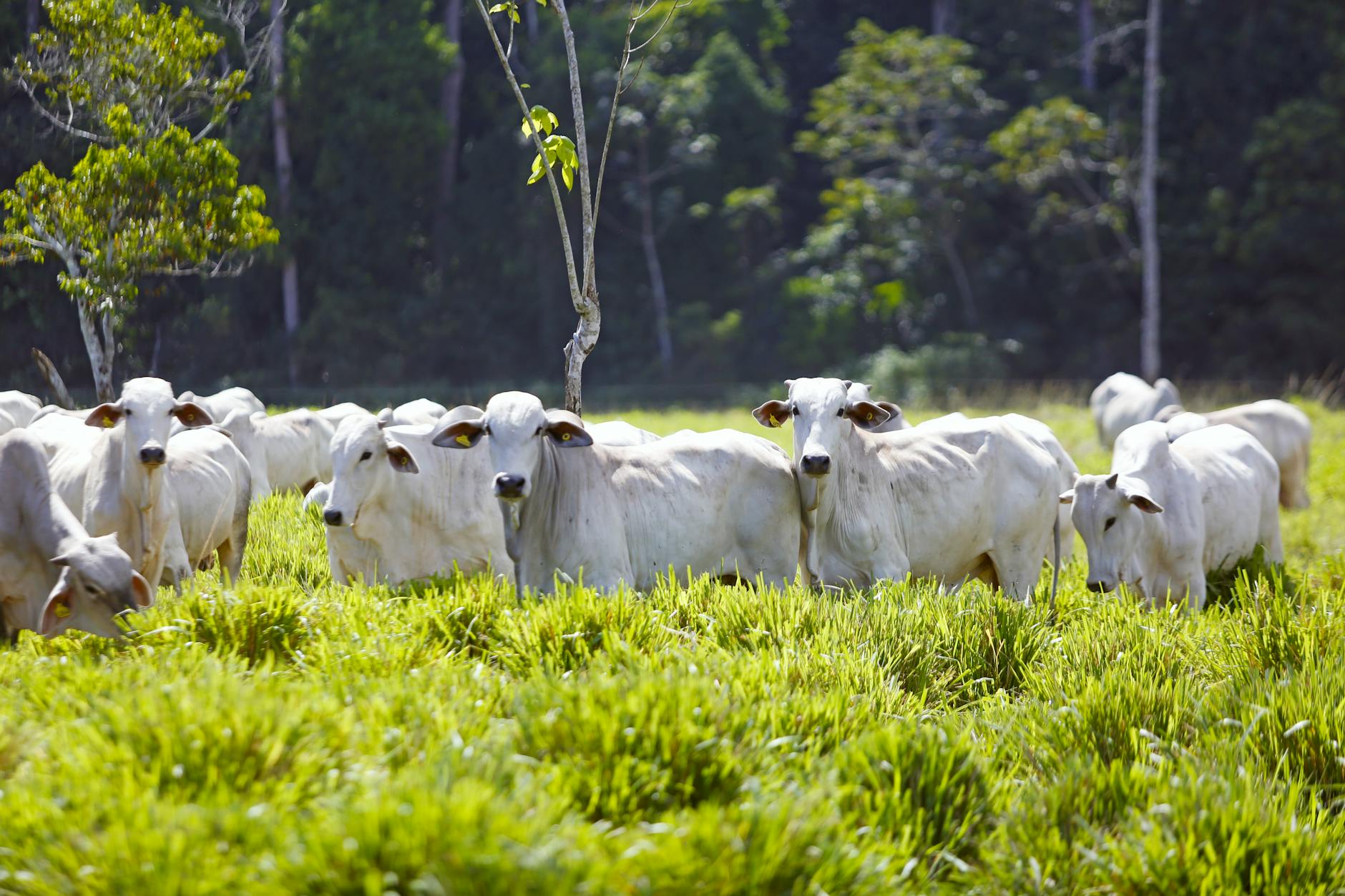
Brazil's three largest meat companies—JBS, Marfrig, and Minerva—wield enormous influence over the global beef trade and critical debates around deforestation and emissions. JBS, for instance, recently abandoned its 2040 net-zero target, sparking condemnation from groups like Mighty Earth, which highlighted the company's "nature-wrecking record of pollution, deforestation, land-grabbing, human rights abuses and corruption." The Changing Markets Foundation estimated JBS alone generated emissions equivalent to many industrialized nations in 2023.
Much of Brazil's agricultural expansion, particularly in the Cerrado region, complies with national laws, yet this often doesn't equate to ecological sustainability. The government's agricultural plan, Plano Safra, continues to allocate billions in subsidies, aiming to boost production from existing land rather than slow the expansion of the livestock economy. The meat industry now frames "regenerative grazing" and other low-carbon practices as commercial necessities, reflecting market pressure rather than a fundamental shift away from growth.
This blend of interests extends to the careers of influential professionals. Individuals like Carina Pimenta, now National Secretary for the Bioeconomy, and Valmir Ortega, a multi-sector entrepreneur, have moved between government, philanthropic foundations, conservation organizations, and agribusiness. This cross-pollination of expertise shapes Brazil’s environmental agenda, creating a tight-knit network.
Even respected scientists, such as Carlos Nobre, whose research highlights cattle ranching as a major driver of Amazon deforestation and Brazil's emissions, serve on advisory boards for corporate-backed initiatives like the JBS Fund for the Amazon.
Billions of dollars from development banks, philanthropies, and multinational corporations are flowing into forest restoration and sustainable agriculture. However, this funding can also come with contradictions. Petrobras, Brazil's state-controlled oil company, a major emitter, is a significant backer of the Restaura Amazônia forest restoration program. While presented as a commitment to nature-based solutions, an investigation revealed Petrobras spends extensively on environmental sponsorships that may also bolster its public image while it pursues oil exploration in sensitive areas.
Other initiatives, like the Bezos Earth Fund's support for cattle traceability in Pará, also highlight this blend of public policy and private finance. Collectively, these actors form an increasingly interconnected system where environmental policy is shaped by a dense web of public and private organizations. This consensus, while fostering cooperation, also influences which ideas gain political backing, scientific authority, and investment. Understanding these relationships is crucial to ensure genuine accountability and effective environmental action in a world moving toward blended finance and public-private partnerships.