Brazil's Green Future: World Bank & Unknown Partner Launch $100M Fund

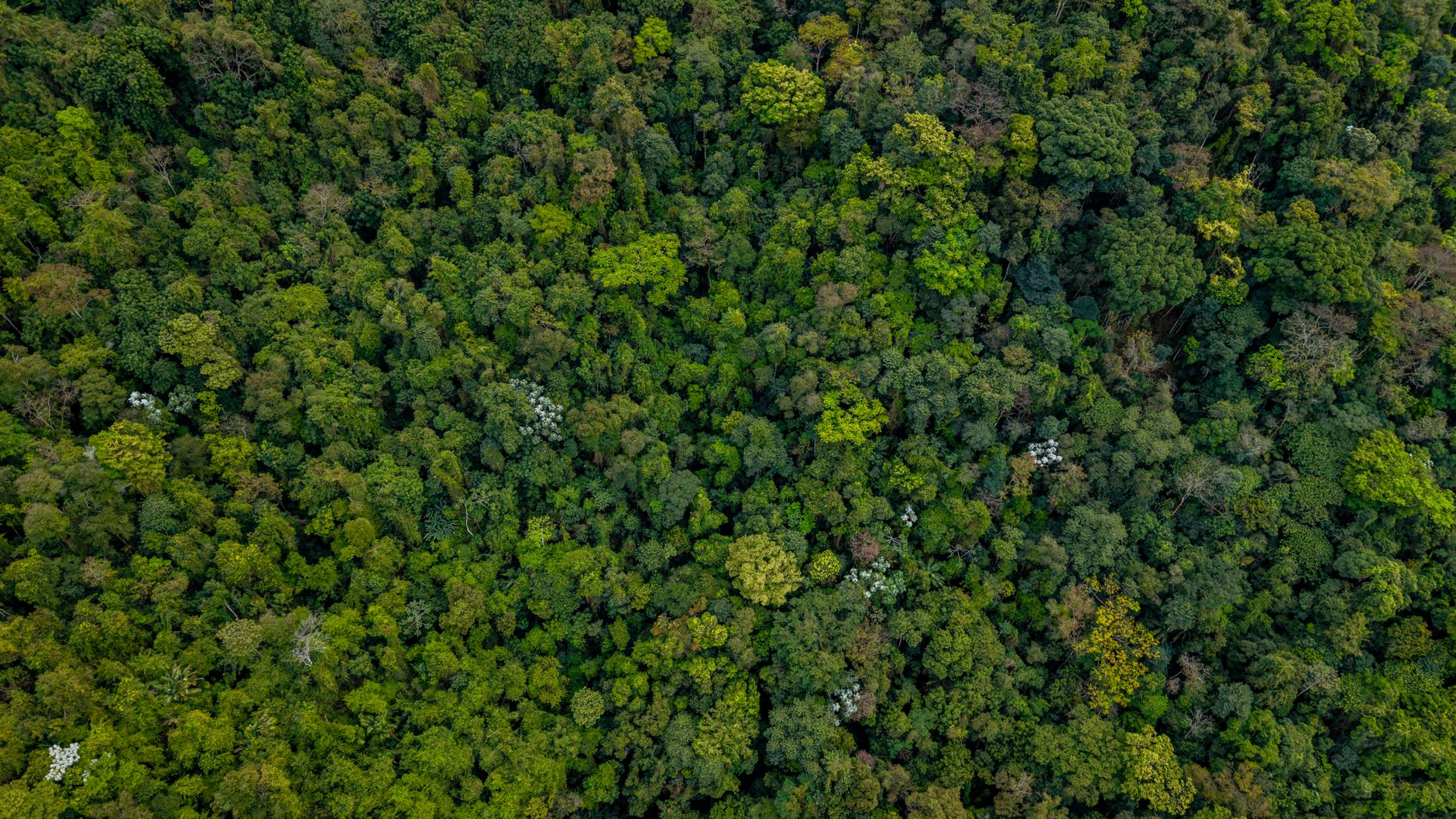
The World Bank and a Brazilian bank are setting up a new $100 million carbon fund to spark environmental action in Brazil. This initiative aims to provide crucial early funding for projects focused on things like forest restoration and conservation, generating carbon credits to be sold to global investors. The fund tackles a common problem where climate projects need significant investment upfront before they can earn money from selling carbon credits. This move signals a growing commitment to connecting international finance with Brazil's vast potential for nature-based climate solutions, critical for tackling global warming.
Many carbon projects face a challenge right at the start: they need years of funding before they can produce verified carbon credits that can be sold. This new $100 million fund, structured by the World Bank and a Brazilian partner, aims to bridge that gap. By offering upfront financing, it allows developers to begin important work like forest restoration and emissions reduction sooner, rather than waiting for future credit sales. This model also opens doors for international investors to participate in Brazil’s many promising climate projects, which are vital for environmental protection and sustainable development.
This effort builds on the World Bank's previous work in Brazil. For example, in 2022, the World Bank approved a $500 million project with Banco do Brasil to boost sustainable lending and help companies access carbon markets, aiming to cut significant emissions by 2030. These initiatives show how financial tools can be creatively used to support climate goals beyond just direct project investments.
Brazil is also strengthening its own framework for carbon markets. The country established the Brazilian Emissions Trading System (SBCE) through a law in late 2024, creating a regulated market for emissions trading and carbon credits. This system, currently undergoing public consultations for implementation, will establish a reliable database for emissions, helping guide decisions on emissions caps and how carbon credits can be used for compliance. A robust local market could create even more demand for effective emission reduction projects.
Brazil's immense forests offer a huge opportunity for restoration and carbon removal. Public funding is already making a difference in this area. The BNDES Forest Credit program, for instance, has approved billions in funding for projects focused on ecological restoration and sustainable forestry. These projects highlight why Brazil is a key market for carbon finance, with its vast degraded lands, critical forest ecosystems, and developing policy framework. This is crucial for safeguarding biodiversity and addressing climate change.
Globally, investors are becoming more selective about carbon credits. While overall credit issuances increased in 2025, prices dipped slightly. However, credits from highly rated forest conservation and reforestation projects, especially those for international aviation, still commanded premium prices. This means project quality, strong monitoring, and clear verification will be essential for the new Brazilian fund to attract international buyers, ensuring that investments truly deliver on environmental promises and accelerate progress towards a sustainable future.
Ultimately, this new fund represents a significant step towards using public finance to attract private capital into climate projects. With its regulated carbon market taking shape, growing private investment in forests, and increasing global demand for high-quality credits, Brazil is poised to make a substantial impact on environmental action. The specific details of how this $100 million fund will operate will be key to unlocking its full potential for a greener, more sustainable Brazil and a healthier planet.