Buildings Can Now Earn Carbon Credits. Here's How.

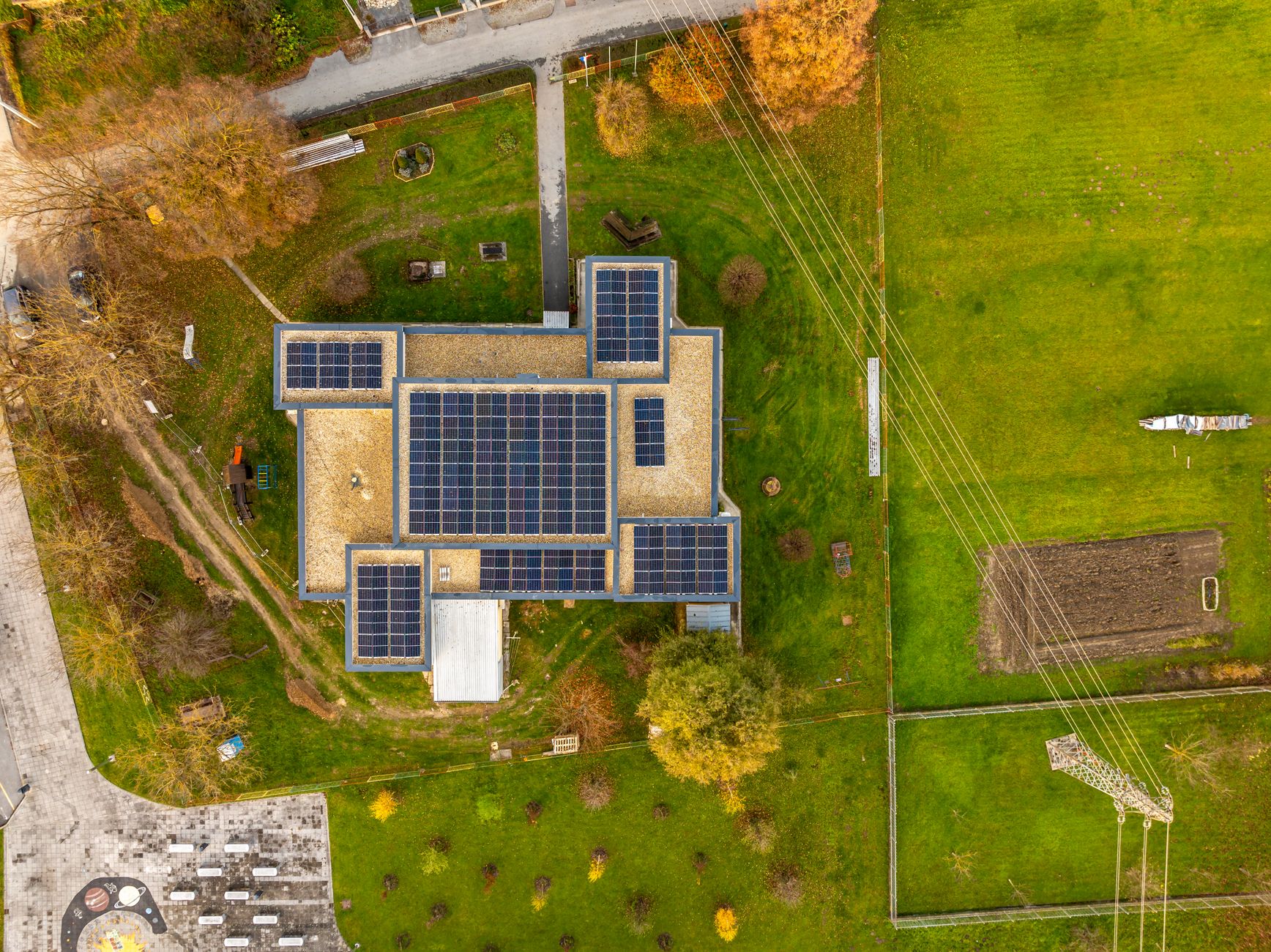
Buildings are major contributors to global warming, responsible for over a third of energy-related carbon emissions. While technologies exist to make them greener, many crucial upgrades are held back by a lack of upfront funding. A new partnership between BEClimate, Xpansiv, and Quidos aims to change this with the launch of the BEVerify registry. This innovative platform will transform building decarbonization projects into valuable carbon credits, unlocking much-needed investment and accelerating our progress toward a cleaner, more sustainable future.
Our buildings, from homes to hospitals, consume a significant portion of the world's energy and release a substantial amount of carbon dioxide into the atmosphere. In 2024, they were responsible for 37% of global energy-linked CO2 emissions, according to the UN Environment Programme (UNEP). This highlights a critical area where we can make a huge impact in the fight against climate change.
While technologies like better insulation, efficient lighting, and heat pumps are readily available to make buildings more energy-efficient and reduce their climate footprint, many projects struggle to get off the ground. The main hurdle is often the initial cost. Energy savings take time to recoup these investments, causing essential upgrades to be delayed or even canceled, slowing down climate action.
This is where a new initiative called BEVerify steps in. Developed by BEClimate with Xpansiv and Quidos, this platform creates a direct link between greener buildings and the carbon market. It allows building owners to turn their verified emissions reductions into carbon assets, providing a new source of income. This financial incentive makes it much easier for schools, offices, and homes to undertake crucial energy upgrades, driving down emissions and supporting global climate goals.
What makes BEVerify particularly innovative is its use of digital monitoring. Instead of slow, manual verification processes, this system tracks building performance in real time. This means that emissions reductions can be verified in minutes, not months, making the carbon credit process faster and more transparent. This digital leap forward is crucial for scaling up climate solutions efficiently.
Traditionally, carbon markets have focused on areas like forests and renewable energy. However, with the launch of BEVerify, the market is expanding to include the built environment – a massive, largely untapped area for emissions reductions. The World Green Building Council estimates that upgrading existing buildings is vital, as 80% of 2050's buildings are already here. By opening up new financing channels, this platform could unlock trillions of dollars in investment needed to make our existing infrastructure climate-friendly. This shift empowers more projects to move forward, leading to cleaner air, lower energy bills, and a healthier planet for everyone.