Buried Sensors Reveal Secret to Smarter Carbon Monitoring

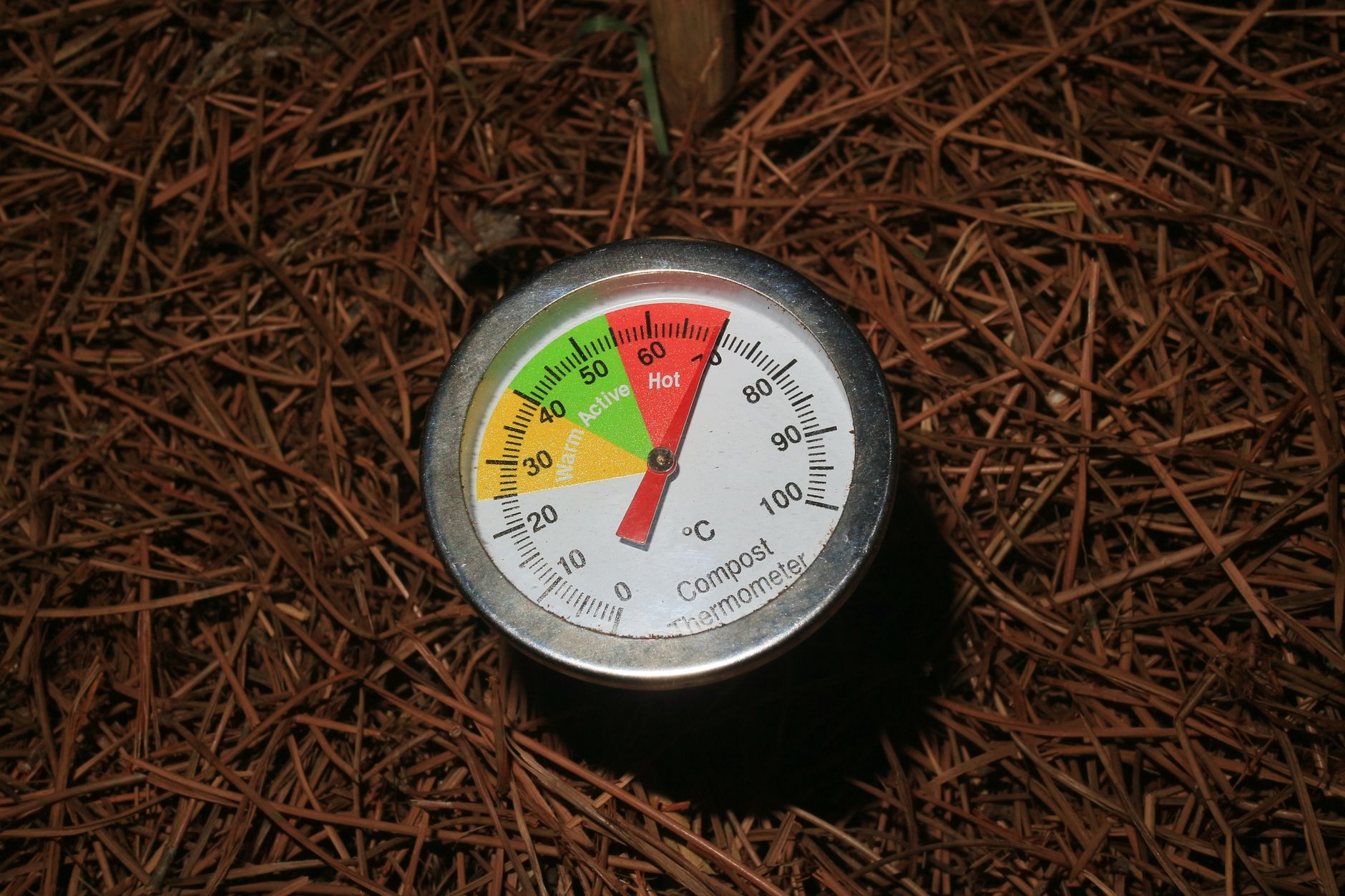
Accurate measurement of carbon dioxide removal (CDR) projects is crucial for addressing climate change, but it can be costly and time-consuming. New research explores a more affordable and continuous way to track how much carbon is being removed from the atmosphere. Scientists found that a simple buried sensor, placed at the right depth, can effectively monitor key changes in soil that indicate carbon drawdown. This discovery offers a promising step towards more reliable and efficient environmental monitoring.
Monitoring how much carbon dioxide is actually being removed from our atmosphere is vital for holding climate initiatives accountable and ensuring we're making real progress against global warming. Current methods often involve labor-intensive lab work, which can leave long gaps in data and drive up costs, slowing down our collective efforts toward a sustainable future.
Recent studies have looked into using simple electrical conductivity (EC) sensors buried in the soil as a continuous, low-cost way to track changes related to carbon removal. The results highlight a critical detail: sensor depth truly matters. Researchers found that a sensor placed 60 centimeters (about two feet) deep consistently and reliably tracked the chemical changes in the soil's draining water, which helps indicate alkalinity – a key marker for carbon drawdown. However, a shallower sensor at 30 centimeters (one foot) proved ineffective, likely because surface soil dries out and experiences greater temperature swings.
While this buried 60-cm sensor isn't a complete replacement for detailed lab tests, it serves as an excellent proxy. It can fill the long periods between traditional samples with a constant stream of data at a fraction of the cost. This hybrid approach – using continuous sensor data alongside occasional lab verification – offers a powerful, cost-effective tool. It means we can get a much clearer, real-time picture of carbon removal efforts, making it easier to verify climate progress and push for more effective, sustainable solutions worldwide. This kind of innovation is essential for ensuring that our environmental actions are truly impactful and transparent.
For those interested in the underlying data and code, it's openly available: Data, code & figures and [github.com/dirkpaessler/carbdown_xxl_lysimeter_2022_2026].