CA Pesticide Safety: What Critical Data Vanished?

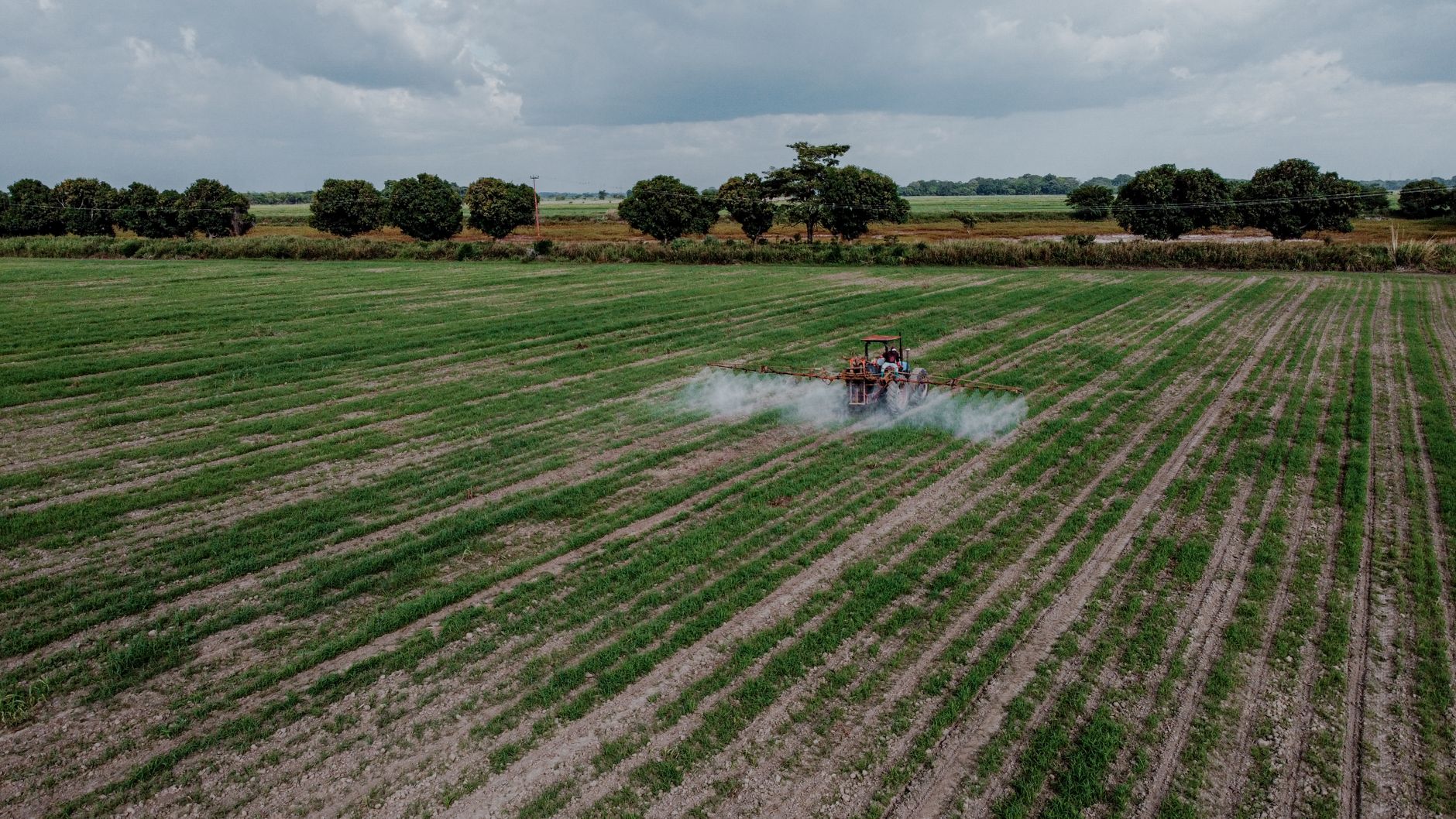
California regulators have voided nearly nine months of crucial air-monitoring data for two highly toxic fumigants, 1,3-dichloropropene (1,3-D) and methyl bromide. This critical failure by the Department of Pesticide Regulation (DPR) means there's no clear picture of exposure levels, leaving agricultural workers and nearby communities potentially unprotected. Environmental advocates are raising alarms, questioning the effectiveness of current safety rules and highlighting the urgent need for reliable data. Methyl bromide, once widely used, was largely banned to protect Earth’s ozone layer, underscoring the severe environmental threat these substances pose.
The problem surfaced when the state laboratory responsible for analyzing air samples reported that its reference standards for 1,3-D and methyl bromide had significantly degraded. Without accurate standards, all air-monitoring results from October 2025 through June are now deemed unreliable and have been tossed out.
Jane Sellen of Californians for Pesticide Reform questions how regulators can claim to protect anyone from these toxic chemicals if they don't know the actual levels in the air. This situation is particularly frustrating because 1,3-D is a cancer-causing pesticide, banned in 40 countries, yet still widely used in California on crops like almonds and strawberries. Methyl bromide, a potent neurotoxin, was largely phased out globally to protect the Earth's ozone layer, though it still sees critical use in California agriculture.
Advocates emphasize that accurate monitoring data is crucial, especially as new regulations for 1,3-D have been implemented, which they believe offer insufficient protection. Alarmingly, a draft report showed that after one new rule for residents went into effect, both the use and emissions of 1,3-D actually increased. The loss of nearly a year's worth of monitoring data makes it impossible to properly audit the effectiveness of these safety measures.
Experts highlight that such quality-control issues should be caught quickly. The delay not only leaves communities in the dark about potential exposure but also erodes public confidence in the state's ability to safeguard health and the environment. As discussions turn to replacing this lost data with modeled estimates, concerns grow about the accuracy and reliability of these projections, further stressing the importance of robust, real-world data for effective environmental protection and public safety.