Cactus Survival Mystery: New Climate Threat Changes Everything

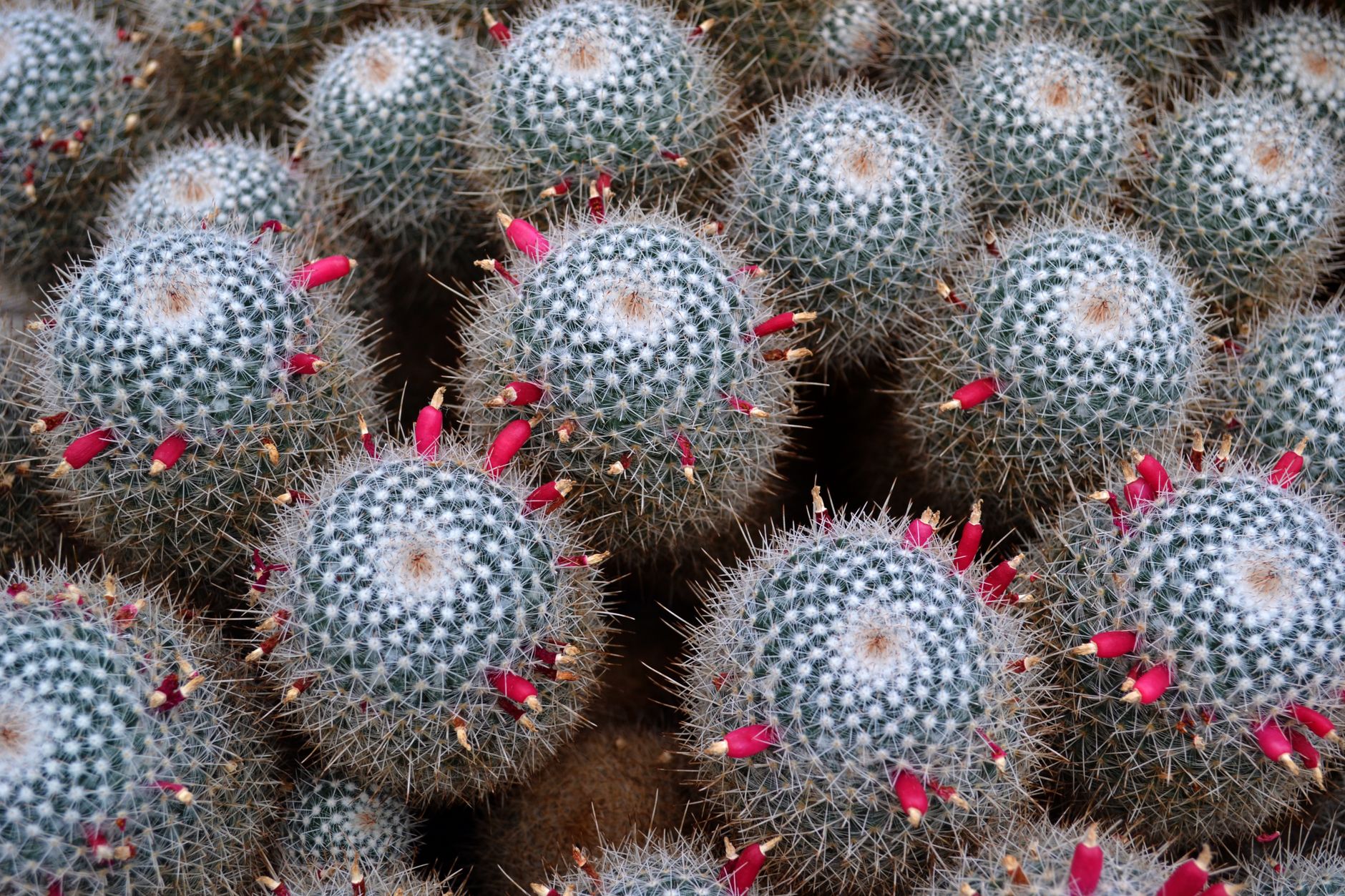
Cacti, known for their resilience in harsh environments, are now facing an unprecedented threat from global warming. A new study in Nature reveals that the combined impact of rising temperatures and extreme drought events could devastate these iconic plants. Researchers found that over a quarter of nearly 1,000 analyzed cactus species could lose more than 80% of their suitable habitat by the century's end. This alarming finding challenges previous assumptions and underscores the urgent need for action to protect these vital desert dwellers.
Cacti were once thought to be winners in a warming world, well-suited to heat and dryness. However, recent research suggests a much bleaker outlook. Scientists previously worried about rising temperatures, but a groundbreaking study published in Nature has revealed the critical role of extreme drought. This new perspective drastically changes our understanding of the risks these plants face.
By combining new data on severe drought with climate models, researchers tracked future conditions for almost 1,000 cactus species. The results are stark: over a quarter of these species could lose more than 80 percent of their suitable living areas by the end of the century. This far exceeds earlier predictions that only considered rising average temperatures and rainfall. Key cactus hotspots, including parts of Chile, Argentina, Peru, Ecuador, and Central America, face substantial losses in diversity.
This climate threat adds to existing pressures on cacti, which are already among the world's most endangered plants. Over 30 percent of species are considered threatened due to habitat loss and illegal trade for the booming houseplant market. Recent extreme droughts have already caused widespread die-offs, such as the Copiapoa cacti in Chile's Atacama Desert and saguaros near Phoenix. These events are a sobering preview of what's to come if global warming continues unchecked, fueling even longer and more intense periods of heat and dryness.
The urgent findings highlight the importance of understanding how climate change impacts even the hardiest species. Researchers believe their modeling approach can be applied to other plants, guiding future conservation efforts. For cacti, targeted actions like "assisted migration," where seeds are moved to more suitable future environments, and increased awareness are crucial. Public interest, especially through citizen science platforms like iNaturalist, provides valuable data and offers a significant opportunity for collective action to protect these iconic plants.