California beaches witness a historic first. [Wildlife]

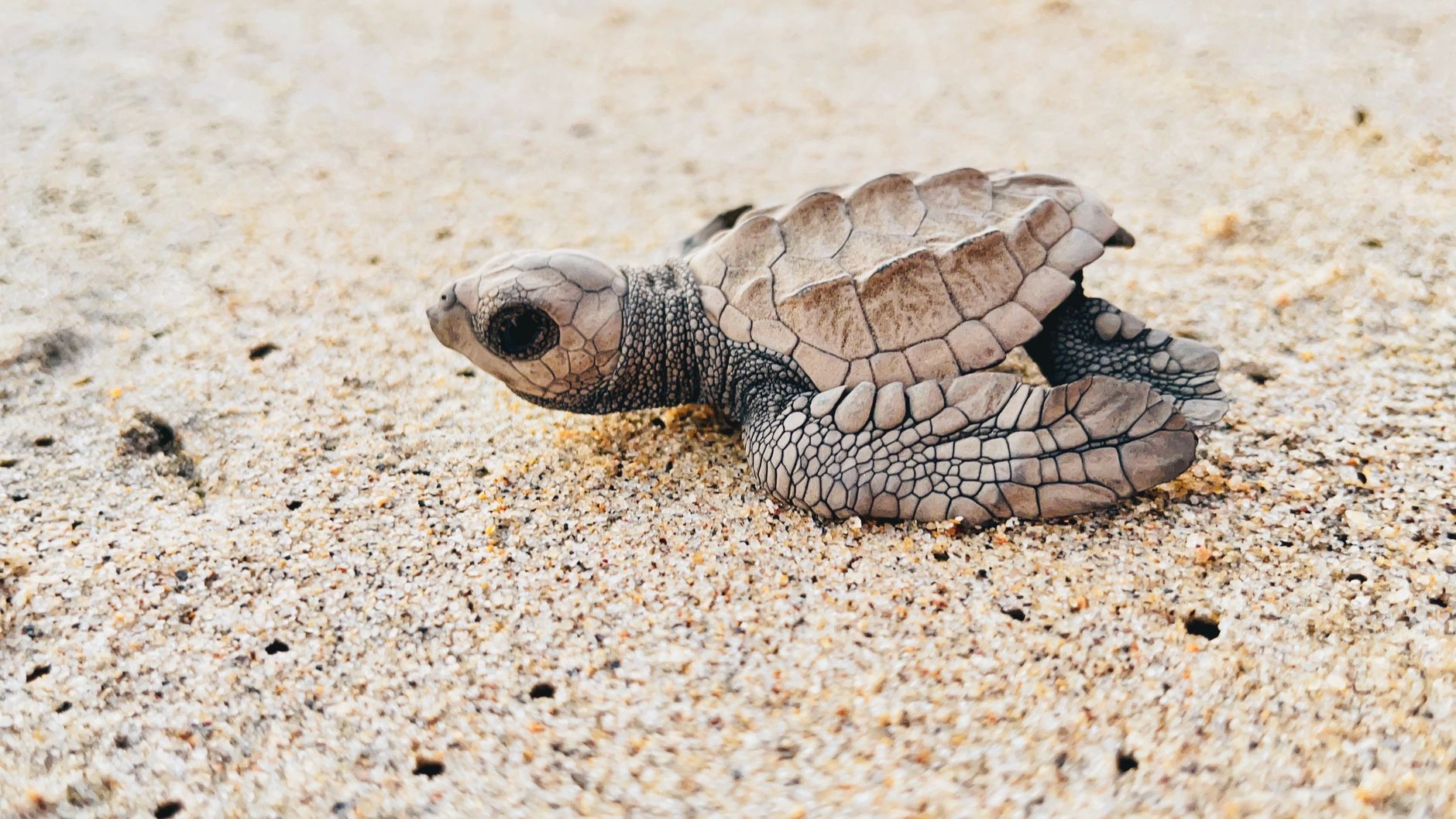
California has marked a historic environmental milestone with the hatching of its first native-born sea turtles. Fifty-four tiny olive ridley turtles emerged from eggs laid on Seal Beach, nurtured by the Aquarium of the Pacific, and were successfully released into the ocean. This unprecedented event, driven by an extreme marine heat wave and a strong El Niño, signals a profound shift in ocean conditions. While a triumph for conservation, it also underscores the dramatic impact of global warming on marine ecosystems, bringing a species usually found much further south to California's shores.
Last Friday evening, a remarkable scene unfolded as 54 olive ridley sea turtle hatchlings, each smaller than a strawberry, began to emerge from their eggs at the Aquarium of the Pacific. These tiny turtles, carefully incubated after their eggs were discovered on Seal Beach in September, represent California's first documented native-born sea turtles. Aquarium staff and federal biologists shared in the excitement, gently transferring the hatchlings for release back into the waves near their original nesting site, where they quickly vanished into the sea.
This success comes after biologists made a critical decision to move the eggs from Seal Beach, and later from Huntington Beach, to the aquarium's controlled environment. This protective measure was taken because unusual high tides threatened the nests, illustrating the delicate balance required for marine life to thrive. Unfortunately, a third nest found in Ventura faced a different fate, destroyed by lower temperatures and high tides, highlighting the challenges these vulnerable species encounter.
The presence of olive ridley sea turtles nesting in California is highly unusual. This species typically nests in tropical waters much further south, like Mexico and Costa Rica. Scientists attribute this southward migration to an extreme marine heat wave and a strong El Niño, which have raised Southern California's ocean temperatures to levels more appealing to these warm-water creatures. This historic event serves as a powerful reminder of how quickly our climate is changing and the direct impacts on wildlife, urging us to understand and address the urgency of global warming and protect our precious marine environments.
The future of sea turtle nesting in California remains uncertain; it could be a rare occurrence or the beginning of a new trend. The public is encouraged to assist in monitoring these changes by reporting any sea turtle sightings to lifeguards or the U.S. National Oceanic and Atmospheric Administration at [(562) 506-4315](tel:(562)%20506-4315). Every action, from careful observation to broader environmental stewardship, contributes to understanding and protecting these magnificent creatures and the health of our oceans.