California Coast Faces Unprecedented Floods. What's Driving It?

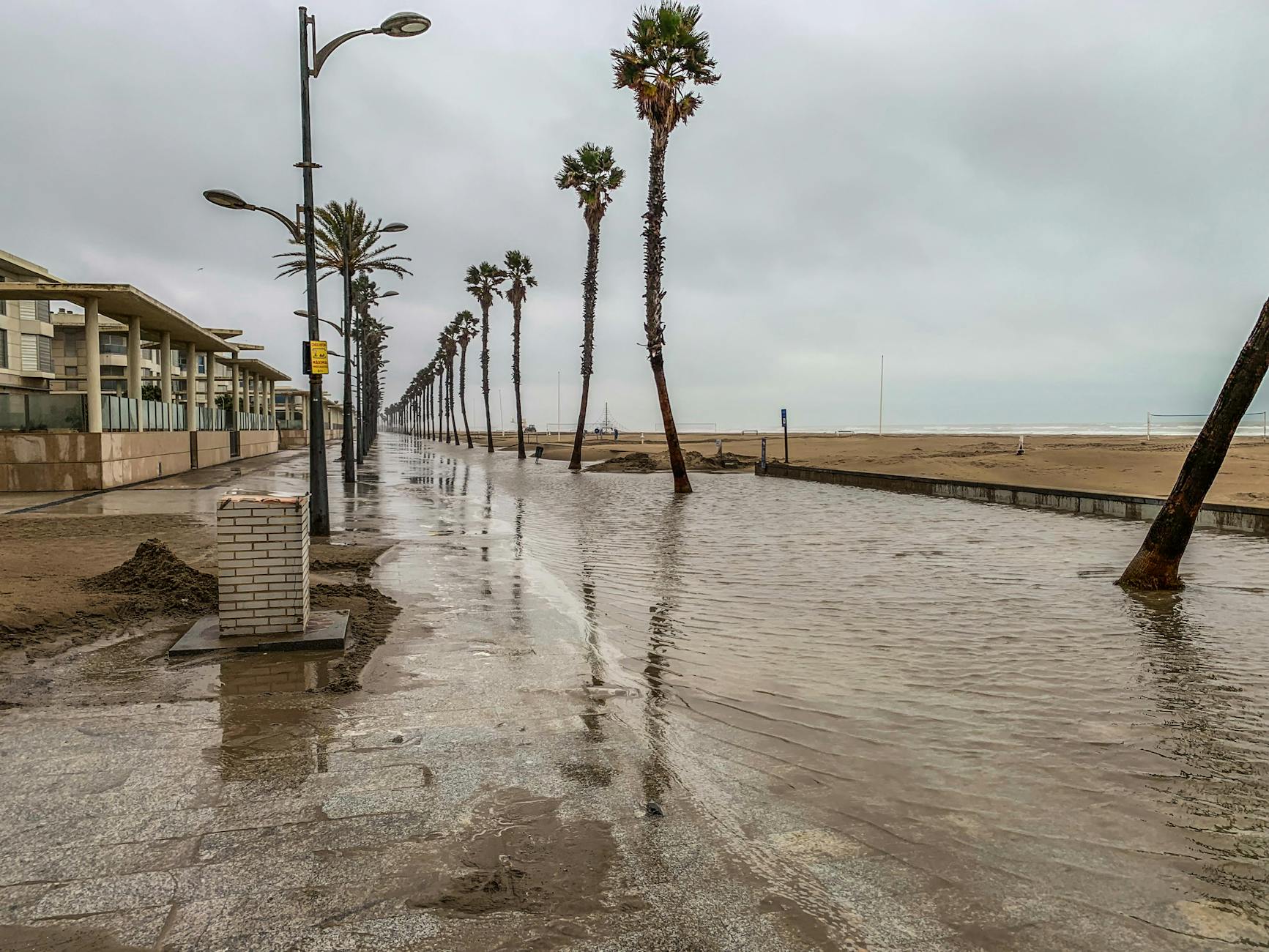
California is bracing for exceptionally high tides this weekend, with coastal flood warnings issued for large parts of the state. This influx of seawater threatens to inundate homes, businesses, and infrastructure, potentially causing significant erosion along an already vulnerable shoreline. The unusual event stems from a rare alignment of celestial bodies, persistent marine heat waves, and the influence of El Niño, all exacerbated by ongoing global warming. Experts warn that these tides could set modern-day records, underscoring the urgent need for climate resilience.
Officials across California are scrambling to prepare for a new round of exceptionally high tides, beginning as early as this weekend. The National Weather Service has issued coastal flood warnings for San Diego and Orange counties, expecting significant flooding and shoreline erosion from Sunday through Thursday. Similar advisories cover Los Angeles, Ventura, Santa Barbara, and San Luis Obispo counties, where isolated damage to structures is possible. Further north, the San Francisco and Monterey Bay areas could see nearly two feet of inundation above ground level, with forecasters warning that rising waters will restrict access to beaches and coastal zones.
This isn't just a regular tide; it's a perfect storm of environmental factors. The coast has already endured an unprecedented year, facing a combination of an active El Niño, a longstanding marine heat wave that has warmed ocean waters for months, and a once-in-two-decades alignment of the Earth, sun, and moon. Scientists like Daniel Swain, a climate scientist at UC Agriculture and Natural Resources, suggest it's "likely to get worse before it gets better." Record-hot ocean temperatures contribute significantly to higher sea levels, as warmer water expands. This means actual tides are running well above what would be expected from lunar cycles alone, with human-caused global warming also playing a clear role as sea levels have risen about a foot along California’s coast over the last 125 years.
The areas most at risk are those already scarred by previous inundations, such as the Long Beach Peninsula, which saw an historic boardwalk torn up, and Newport Beach’s Balboa Peninsula, which experienced days of intense flooding. Other impacted sites include Dana Point, Malibu, and the eroded Carlsbad State Beach. Experts confirm that additional flooding will only worsen existing damage. Predictions suggest tides could reach over eight feet in some areas, particularly around upcoming holidays like Thanksgiving and Christmas, raising concerns about how the coast will fare if these king tides coincide with powerful winter storms.
Cities are taking emergency actions. Newport Beach has declared a local emergency, reinforcing protective sand berms, preparing pumps, and positioning resources in flood-prone areas. Long Beach has begun dredging Alamitos Bay and moving sand to shore up its battered Peninsula. Caltrans is also making emergency repairs, installing boulders to protect Highway 1 in Ventura County and preparing to raise parts of flood-prone Highway 37 in the Bay Area. Commuter train service on a scenic coastal route has been suspended in southern Orange County and San Diego County due to the forecast. As Doug George, an oceanographer with NOAA, states, the warnings are real, and people should take them seriously. These events are stark reminders of the immediate challenges posed by a changing climate and the critical need for communities to build resilience against rising sea levels and intensifying weather patterns.