California Coast's Flood Fight: Why Current Efforts Aren't Enough

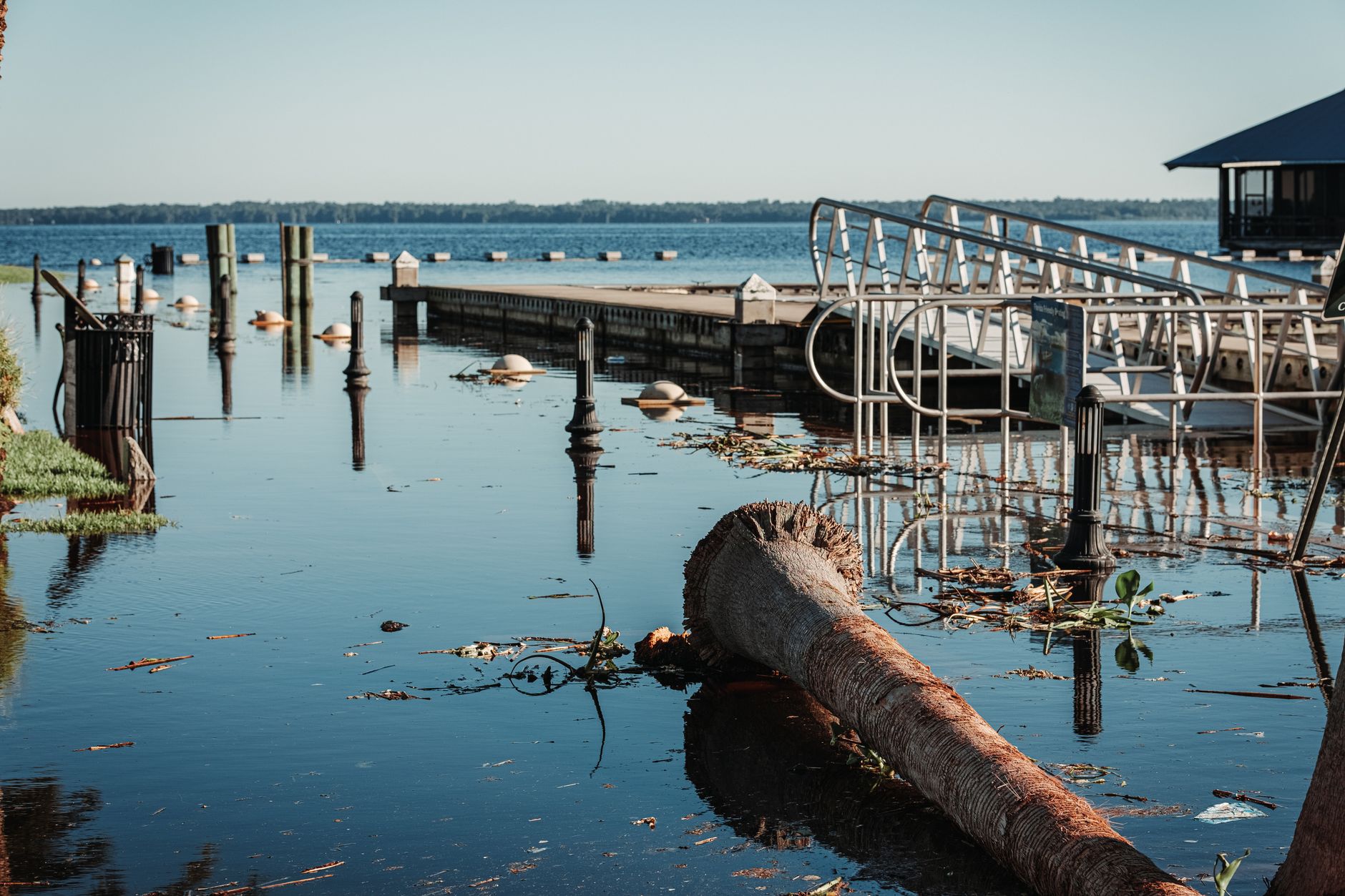
Orange County's coastal communities are facing unprecedented flooding, overwhelmed by record high tides, a powerful El Niño, and a persistent marine heatwave. This week's inundation, where sandbags and pumps proved insufficient, offers a stark preview of an even more challenging winter ahead. Scientists warn that these events are exacerbated by rising sea levels, making it clear that temporary fixes won't stem the tide against a rapidly changing climate. The urgent need for sustainable, long-term solutions has never been more apparent.
Residents along Orange County’s coast, from Sunset Beach to Newport Beach, are locked in a losing battle against the ocean. Diane Copley-Botica, like many others, watched seawater flow like a river across her neighborhood, despite desperate attempts with sandbags and tarps. Traditional defenses, from sand berms to drainage canals, are struggling to keep up, often just redirecting water or working too slowly to make a real difference.
This isn't just a bad week; it's a warning. Scientists point to record-breaking sea levels, fueled by a powerful El Niño-driven Kelvin wave and a months-long marine heatwave. These warm waters cause the ocean to expand, contributing significantly to higher tides. For example, sea surface temperatures at Scripps Pier hit an astonishing 73.6 degrees, nearly 9 degrees higher than average for late October, breaking records that date back to 1916. This continuous warming underscores the profound impact of global climate change on our coastlines.
Experts warn that the upcoming winter, especially during "king tides" around holidays like Thanksgiving and Christmas, could bring water levels 1 to 2 feet higher than seen this week. Combine that with potential heavy rainstorms, and the risk of catastrophic flooding becomes very real. As Kristina Hill, a UC Berkeley professor, puts it, we're currently in the "fill-the-cracks-in-the-bathtub phase," a temporary approach that won't hold for long as sea levels continue their projected rise of nearly a foot by 2050. This means communities must prepare for more frequent and severe coastal flooding in the decades to come.
While cities have invested in seawalls and tidal valves, these measures are increasingly seen as stopgaps. The Public Policy Institute of California in 2024 highlighted that rising sea levels could endanger billions in property and demand a complete overhaul of coastal infrastructure. Looking ahead, innovative and sustainable solutions are crucial. Professor Hill suggests exploring pilot projects like the floating homes in Amsterdam, which are designed to rise with floodwaters. It’s clear that a major rethinking of how we live with the ocean is needed now, before the accelerating effects of climate change make current strategies completely insufficient.