California Coast: What Millions Can't Buy as Seas Rise

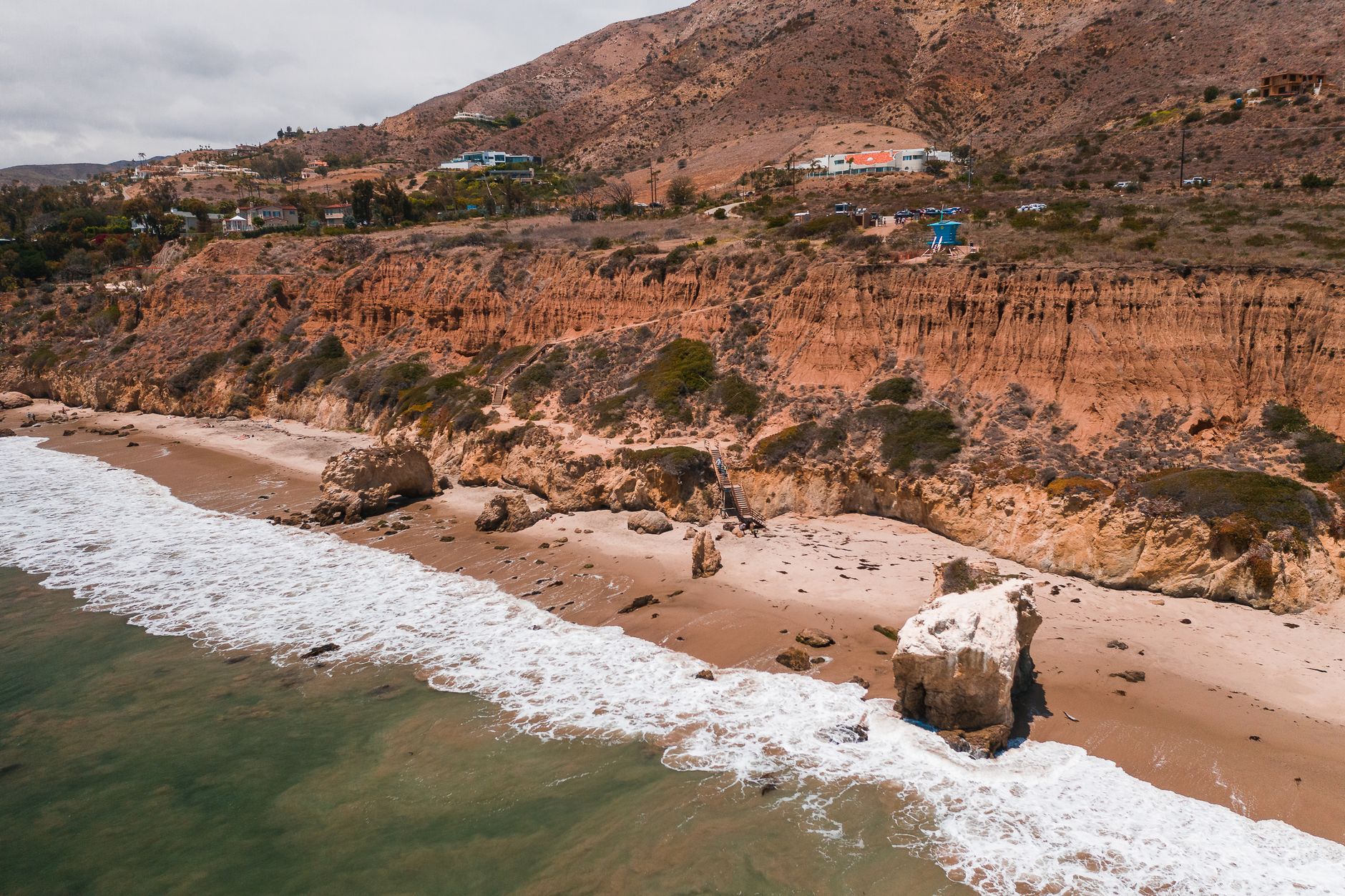
California's iconic coastline, home to multi-million dollar properties, faces an increasingly urgent threat from erosion and rising sea levels, intensified by climate change. As a powerful El Niño season approaches, experts warn that the long-held dream of beachfront living is becoming more precarious and costly. Reports highlight how unchecked development is rapidly deteriorating fragile coastal environments, leading to shrinking beaches and escalating insurance rates. This situation raises critical questions about the sustainability of building in high-risk zones and our collective responsibility to protect these vital natural areas.
California's stunning coastline, home to multi-million dollar properties, faces a growing threat from erosion and rising sea levels, intensified by climate change. As a powerful El Niño season looms, the cherished dream of beachfront living is becoming increasingly precarious and costly. This situation echoes historical warnings, reminding us that even great cities, like ancient Alexandria, can be lost to the sea.
Experts, including Essam Heggy from the University of Southern California, warn that extensive development is rapidly weakening our fragile coastal environments. This not only shrinks beaches but also makes the cost of maintaining them incredibly expensive, projected to increase fivefold by 2050. A report from the Public Policy Institute of California further suggests billions in property could be lost and much of Southern California's beaches eroded without major action. These findings underscore the urgent need for sustainable practices and environmental protection.
The financial burden is already evident. Homeowners are scrambling for flood insurance, which standard policies don't cover, often finding themselves severely under-insured. Despite these clear risks and soaring costs, the market for beachfront homes often remains strong, with little price reduction even after areas have flooded. This highlights a deep-seated desire for coastal living, even as environmental dangers become undeniable.
However, a subtle shift is beginning. While people aren't rushing to leave the coast, there's growing interest in properties slightly further inland. The perception of risk is changing, making some wonder if the beauty of paradise outweighs the increased dangers, like powerful waves damaging homes. This prompts a vital question: should we continue building on these vulnerable coasts, or reconsider how we interact with these fragile environments?
Many experts argue that public money shouldn't constantly be spent to rebuild private homes in disaster-prone areas. They suggest these beautiful coastlines would be better off as public parks. The current trend of large developments with non-native plants also harms the environment by preventing natural beach replenishment, making our "natural" coast look artificial.
Ultimately, addressing this challenge requires us to think differently—from moving away from the riskiest areas to building better flood defenses and even taxing developments in hazardous zones. The alternative is grim, with historical examples and current events showing how ignoring these environmental warnings can lead to catastrophic losses. We must see these challenges not as rare events but as ongoing realities that demand urgent, collective action to safeguard our environment and ensure a livable future for all.