California Coast: What's Starving Sea Lion Pups This Winter?

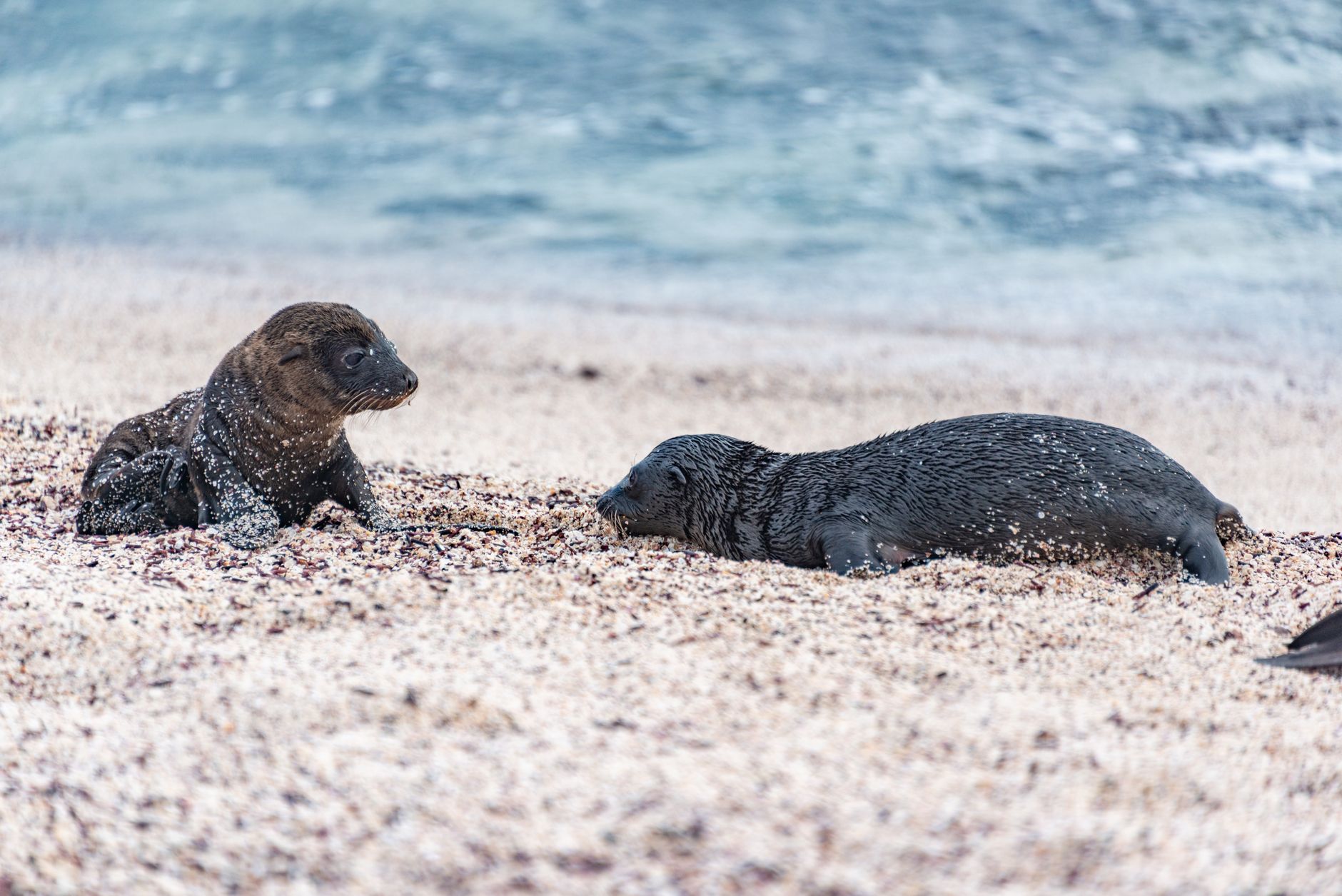
California's coast is bracing for a difficult winter as a powerful El Niño, combined with an ongoing marine heatwave, threatens a surge in starving sea lion and elephant seal pups. Marine mammal rescue centers, which already handle hundreds of distressed animals annually, fear an overwhelming influx. This environmental crisis highlights how shifts in ocean conditions, influenced by global warming, drastically impact the availability of food for vulnerable marine life, underscoring the urgent need for climate action.
The Marine Mammal Care Center, which rescues hundreds of animals each year, anticipates a challenging period ahead. Historically, similar conditions between 2013 and 2016 led to thousands of California sea lion pups becoming malnourished and stranded.
This dire situation arises from disruptions to a natural process called upwelling. Typically, seasonal winds push warm surface water offshore, allowing cold, nutrient-rich water to rise from the deep. This creates an abundant food supply for marine life, particularly crucial for young animals during their birthing season. However, El Niño and persistent marine heatwaves can weaken or alter these winds, reducing the vital upwelling and diminishing food sources along the coast. While adult animals can travel further to find food, young pups lack the strength and knowledge, often leading to mass strandings.
Adding to the concern, northern California beaches have recently seen dozens of sea lions sickened by domoic acid poisoning. This toxin, produced by algae, thrives in warm El Niño waters and affects animals that feed on open-ocean fish. Rescue centers are already seeing numbers exceed their annual averages, with fears of a dramatic rise.
Caring for these animals is a monumental effort. Take Violet, an elephant seal pup who was rescued weighing barely more than a newborn. After battling a bacterial infection and needing tube-feeding for three months, her recovery was a hard-won victory for the care team. Her story is a poignant reminder of the dedication required to save these vulnerable creatures, whose struggles are increasingly linked to broader environmental changes and the urgent impacts of a warming planet.