California Coastline Confronts a Powerful Natural 'Tax'

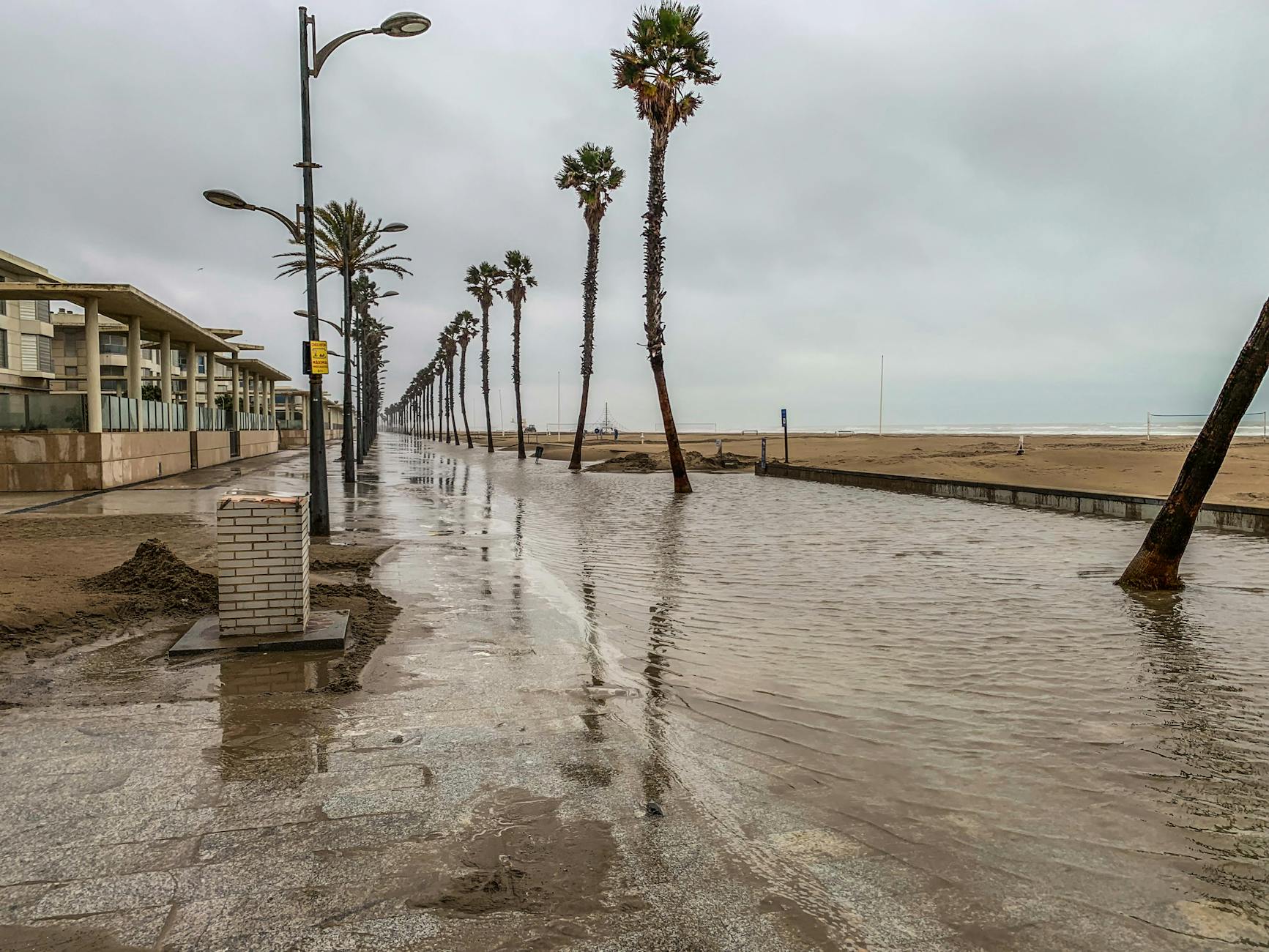
Newport Beach is experiencing its most severe flooding in decades, as record-breaking tides from Newport Harbor surged into streets, homes, and businesses. This unusual event is a confluence of factors, including a full moon, the ongoing El Niño weather pattern, and a persistent marine heat wave exacerbated by human-caused climate change. The situation highlights the increasing vulnerability of coastal communities and the urgent need to address the impacts of a warming planet.
For long-time residents like Bill Sharp, who has lived on the Balboa Peninsula for sixty years, the recent flooding in Newport Beach was astonishing. Seawater inundated city streets, forced the temporary suspension of the century-old Balboa Island Ferry, and left homes and businesses submerged. The tide reached an unprecedented 8.4 feet in Newport Beach, shattering previous records and causing widespread disruption across Southern California's coastline.
This record tide is not just a typical high tide. It's a complex mix of natural phenomena amplified by our changing climate. A full moon contributed to the extreme tides, but scientists point to significantly warmer ocean temperatures as a major factor. These warmer waters are influenced by an El Niño-fueled Kelvin wave and a months-old marine heat wave that has caused sea levels to rise nearly two feet higher than normal. Experts stress that this marine heat wave is a direct consequence of human-caused climate change, making these extreme events more frequent and intense.
Newport Beach's unique geography, with the bay on one side and the ocean on the other, makes it especially vulnerable. City officials are deploying sandbags and water pumps in an ongoing battle against the encroaching water. While these measures help slow the flow, many seawalls built in the early 1900s are simply not equipped for today's rising sea levels. The struggle illustrates a critical point: as climate change advances, coastal communities must adapt and strengthen their defenses against an increasingly powerful ocean.
The current flooding may just be a preview of what's to come. Even higher tides are anticipated around upcoming holidays this winter, and if these coincide with strong storms, the consequences could be far more severe. This grim reality underscores the urgency of collective climate action and investing in sustainable solutions to protect our precious coastal environments and the communities that call them home. As one resident put it, "every so often Mother Nature comes to collect some tax," and with a warming climate, that tax is getting heavier.