California County Abandons Key Coastal Road Repair [Why Now?]

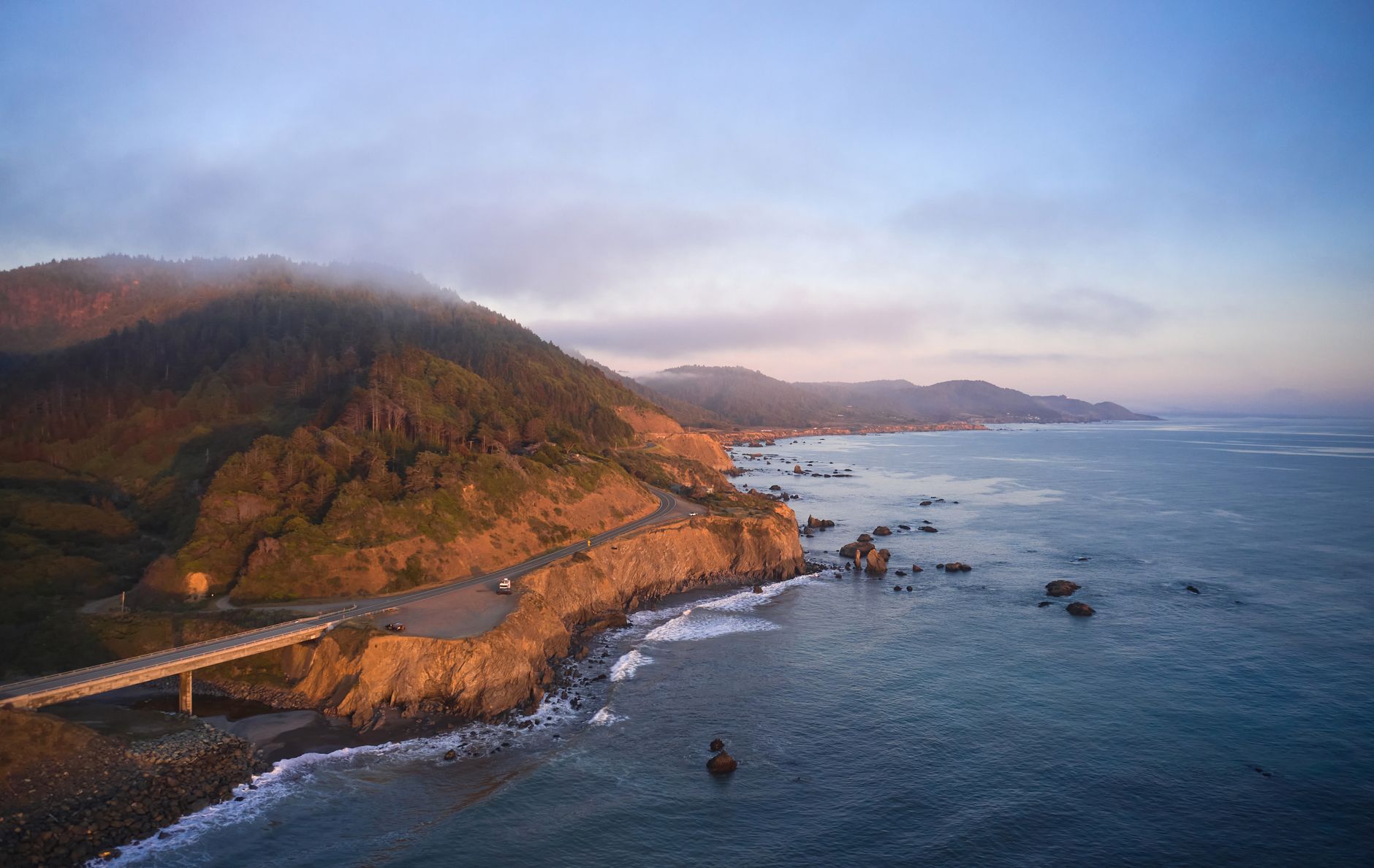
Humboldt County in California has made a significant decision, abandoning a $3.8 million plan to repair and elevate a segment of Centerville Road. Faced with rapidly crumbling coastal bluffs, rising seas, and a looming "super" El Niño winter, officials deemed the repair financially impractical and a temporary fix. Instead, the county is opting for "managed retreat," a strategy to move infrastructure away from the encroaching coastline. This pivot underscores the urgent challenges climate change poses to coastal communities across California, where warming oceans and powerful waves are reshaping landscapes faster than ever.
Centerville Road, a vital link to a rural beach and homes in Humboldt County, has long been under siege. Relentless winter storms and a warming, rising sea have battered the narrow byway, often leaving it buried under sand and saltwater. Local officials had previously sought to raise a portion of the road and build a protective rock barrier, a project initially approved by the California Coastal Commission with a 20-year lifespan and a condition to eventually move the road inland.
However, with a "super" El Niño winter approaching, the county's Board of Supervisors unanimously voted to abandon the $3.8 million repair. They recognized that the cliffs and bluffs beneath Centerville Road are crumbling too quickly, making any repair a short-lived and financially unsound investment. As Supervisor Steve Madrone put it, "It’s all going to go. I mean, there’s no doubt that it’s just a question of time." This decision signals a shift towards "managed retreat", prioritizing long-term resilience over temporary fixes.
This strategy involves moving the road farther inland, acknowledging the irreversible changes happening along the coast. It’s a challenging decision, often met with local resistance, as seen with some property owners who have expressed concerns about communication, access, and even the pace of erosion. One landowner, George Brown, questioned the immediate danger, stating he'd "like to see the entire beach erode all the way to our property before the road went across it."
Centerville Beach is home to some of California’s fastest-eroding cliffs, with dramatic collapses and disappearing dunes becoming a stark reality. The increasing intensity of storms and rising sea levels, driven by global warming, are accelerating this coastal transformation. These changes are forcing communities across California's 840-mile coastline to confront similar choices, making the pivot to sustainable solutions like managed retreat crucial for adapting to our changing planet. Collective action and a shift towards clean energy are essential to slow these impacts and protect our natural environment for future generations.